Workshop on rehabilitation and psychosocial support for individuals released from captivity and their families
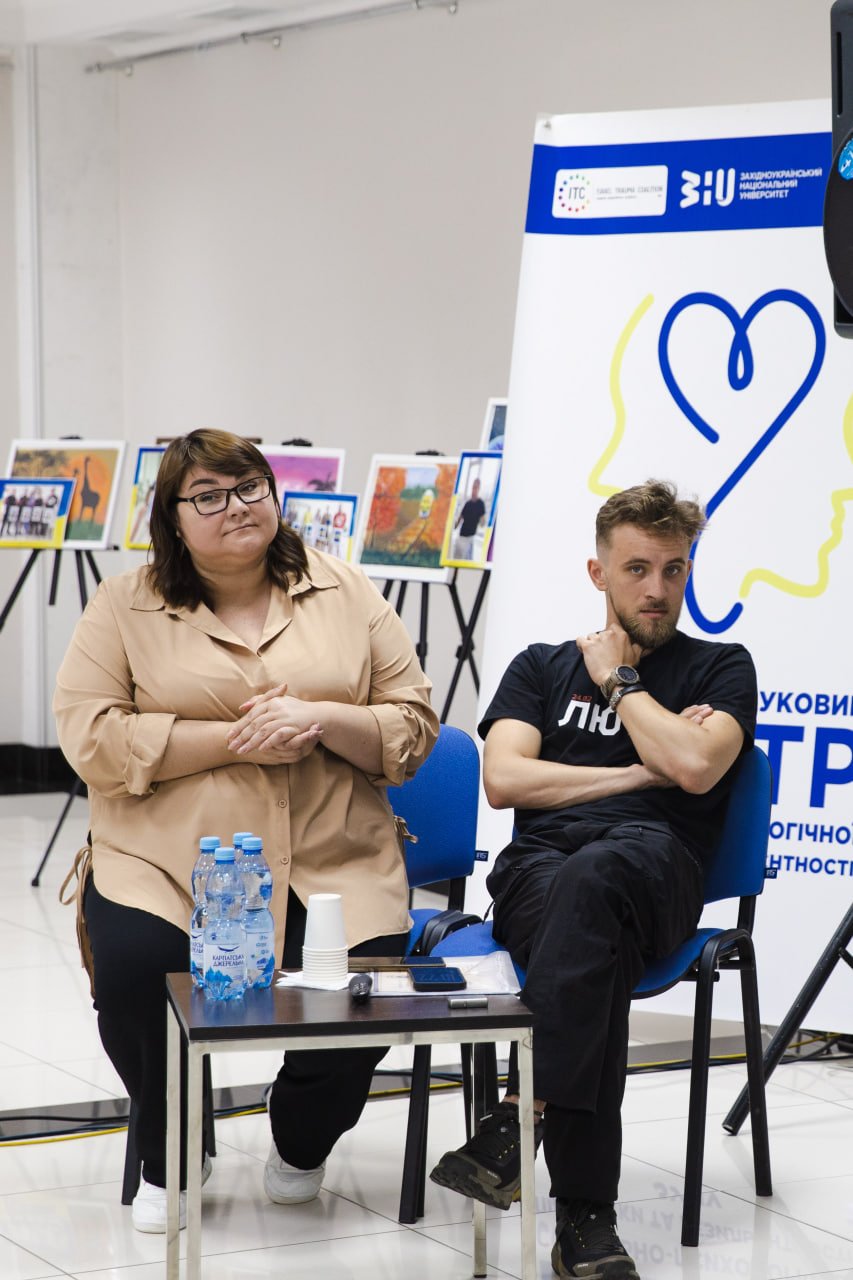
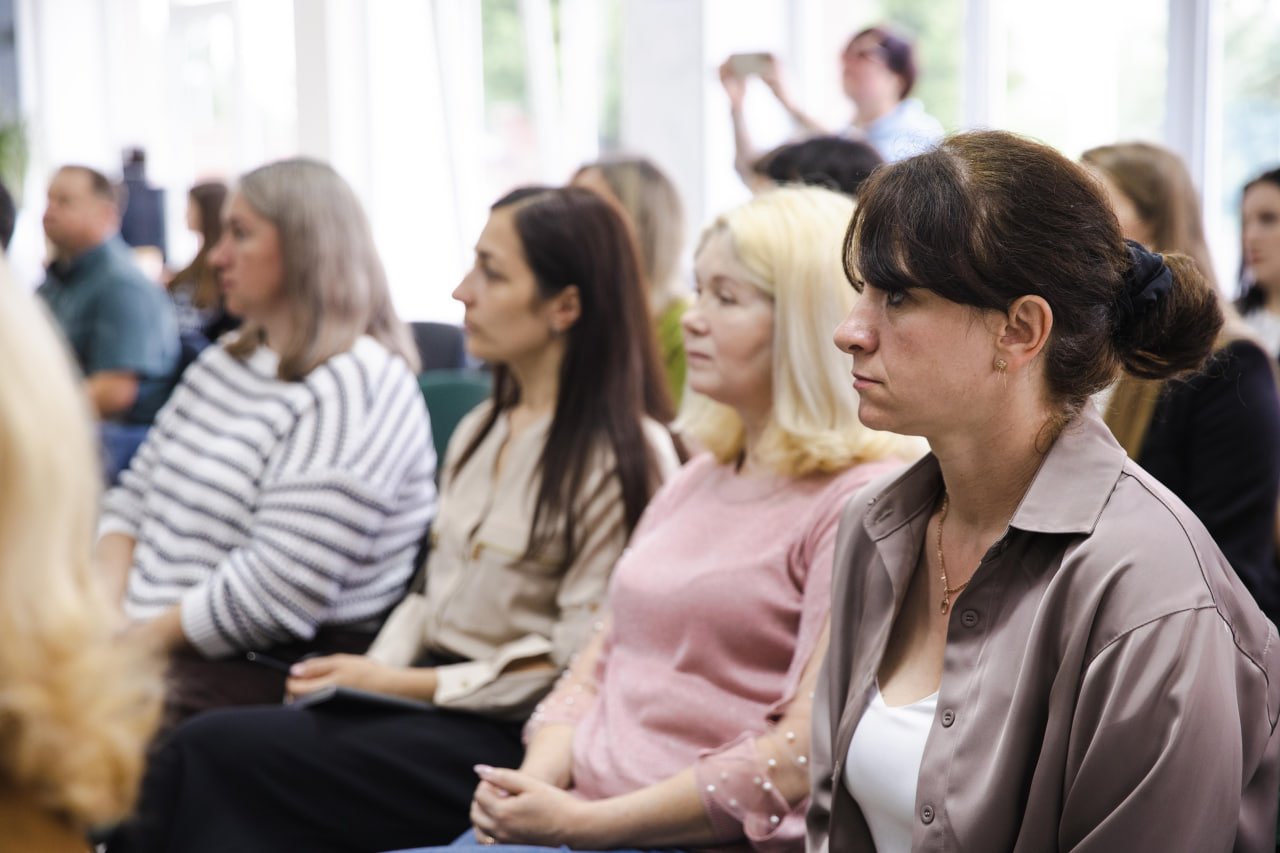
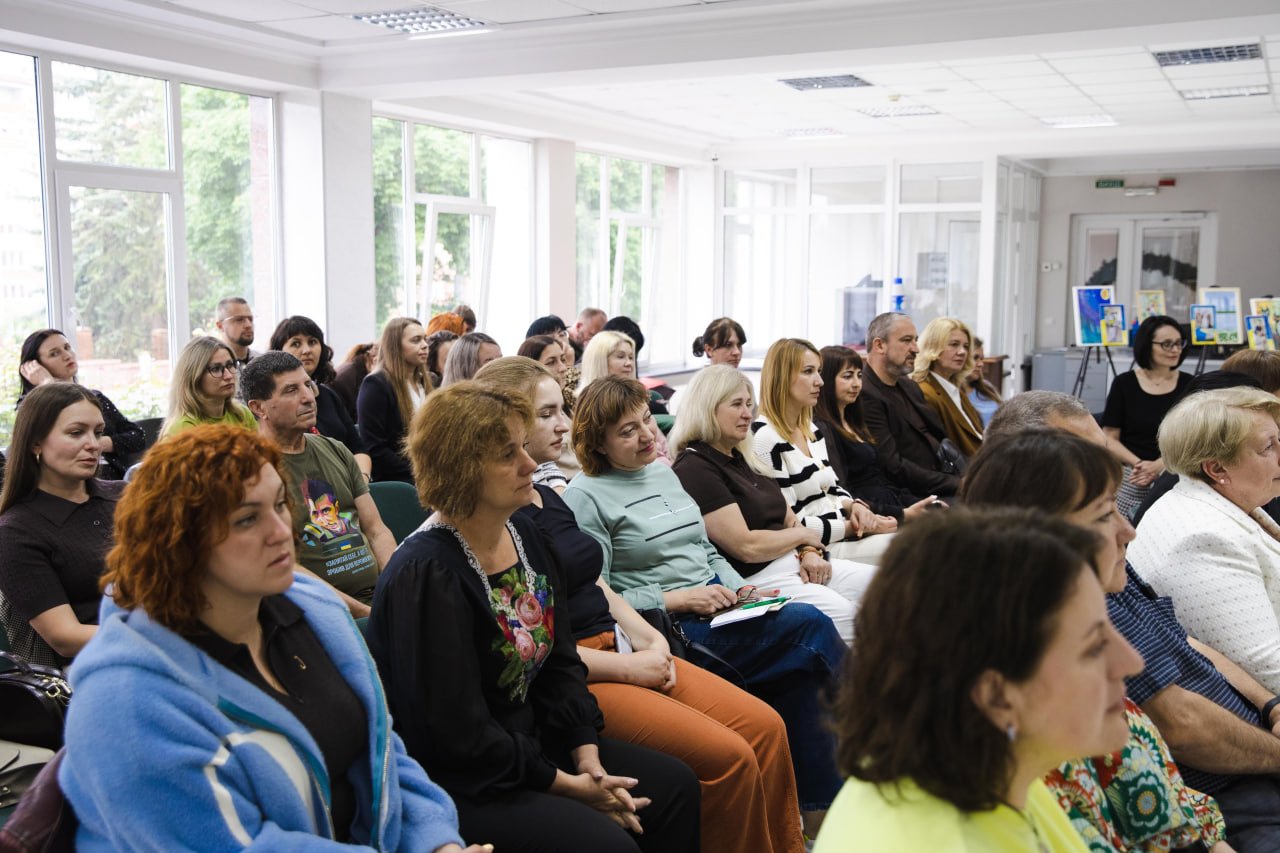
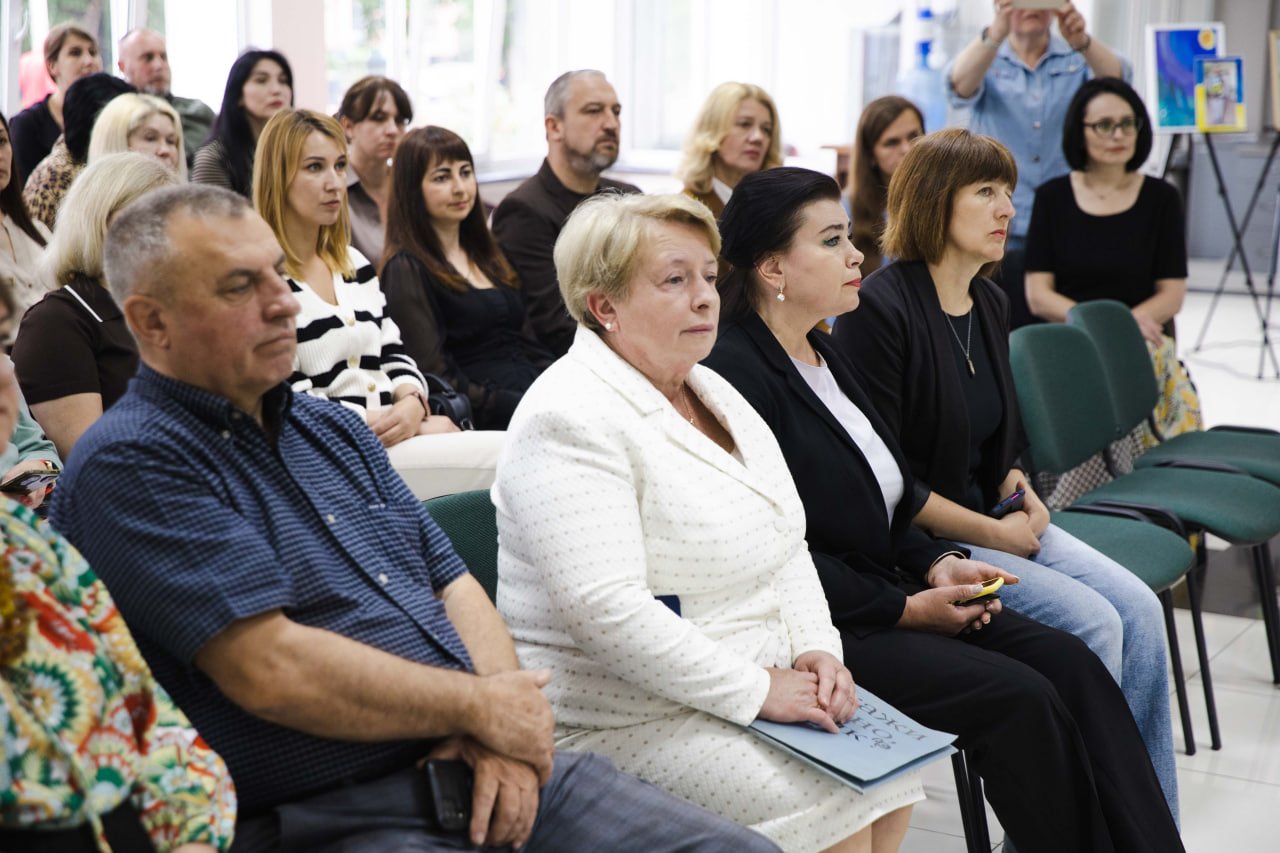
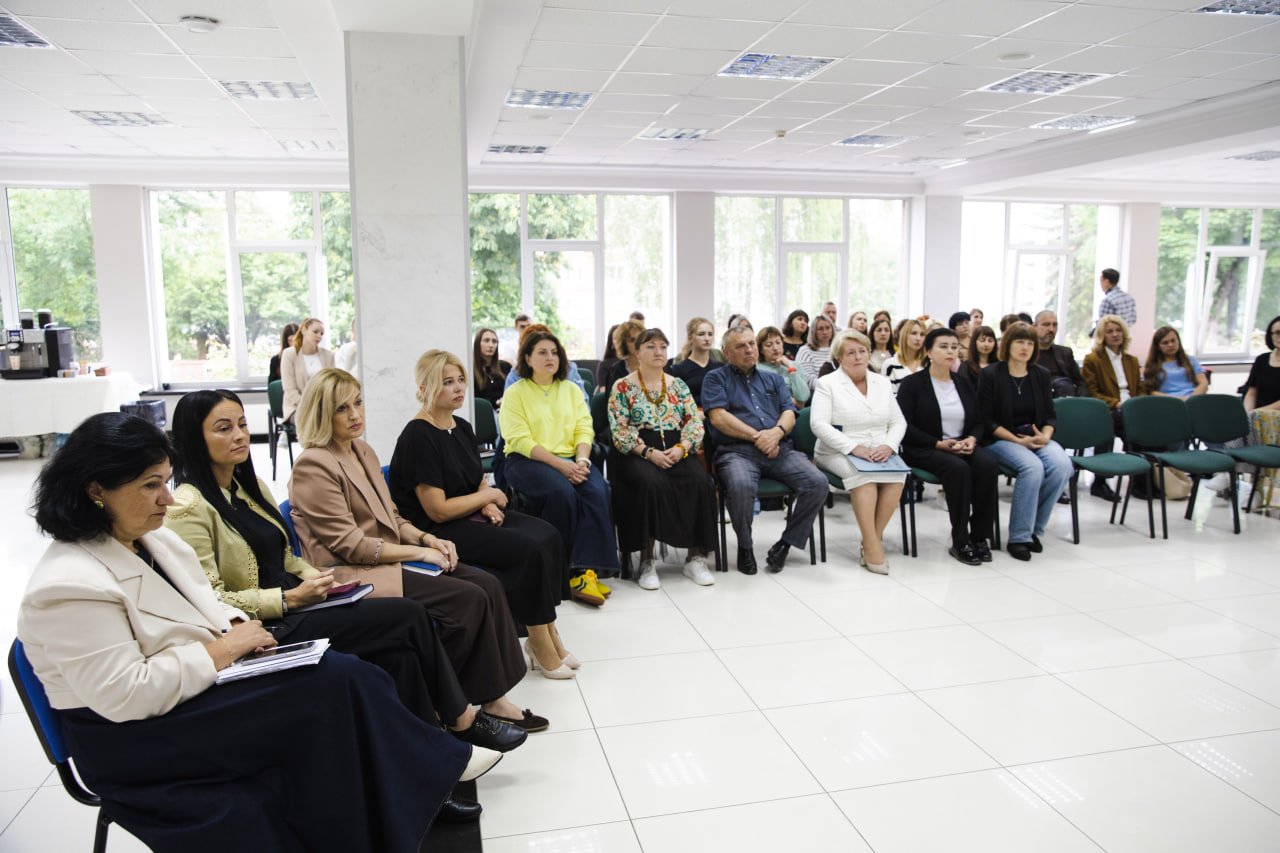
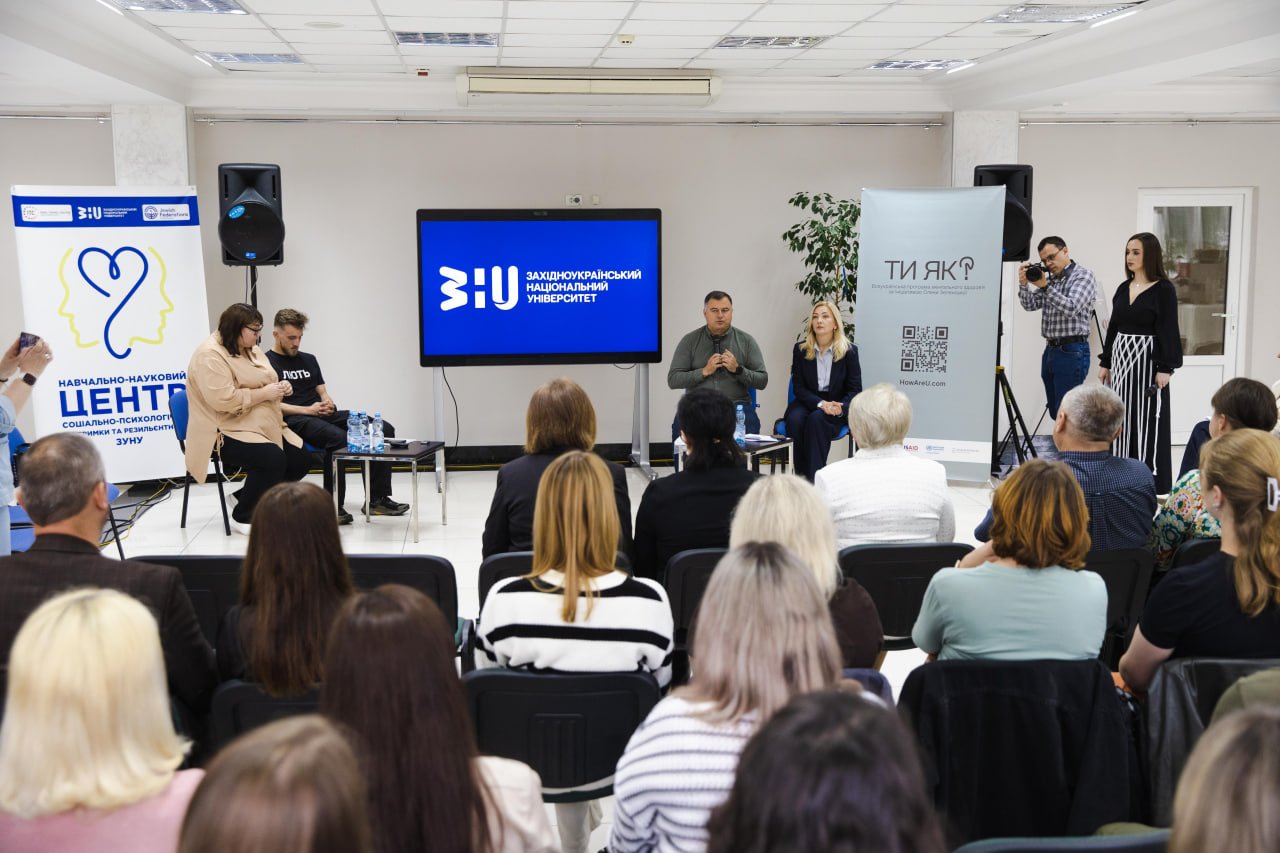
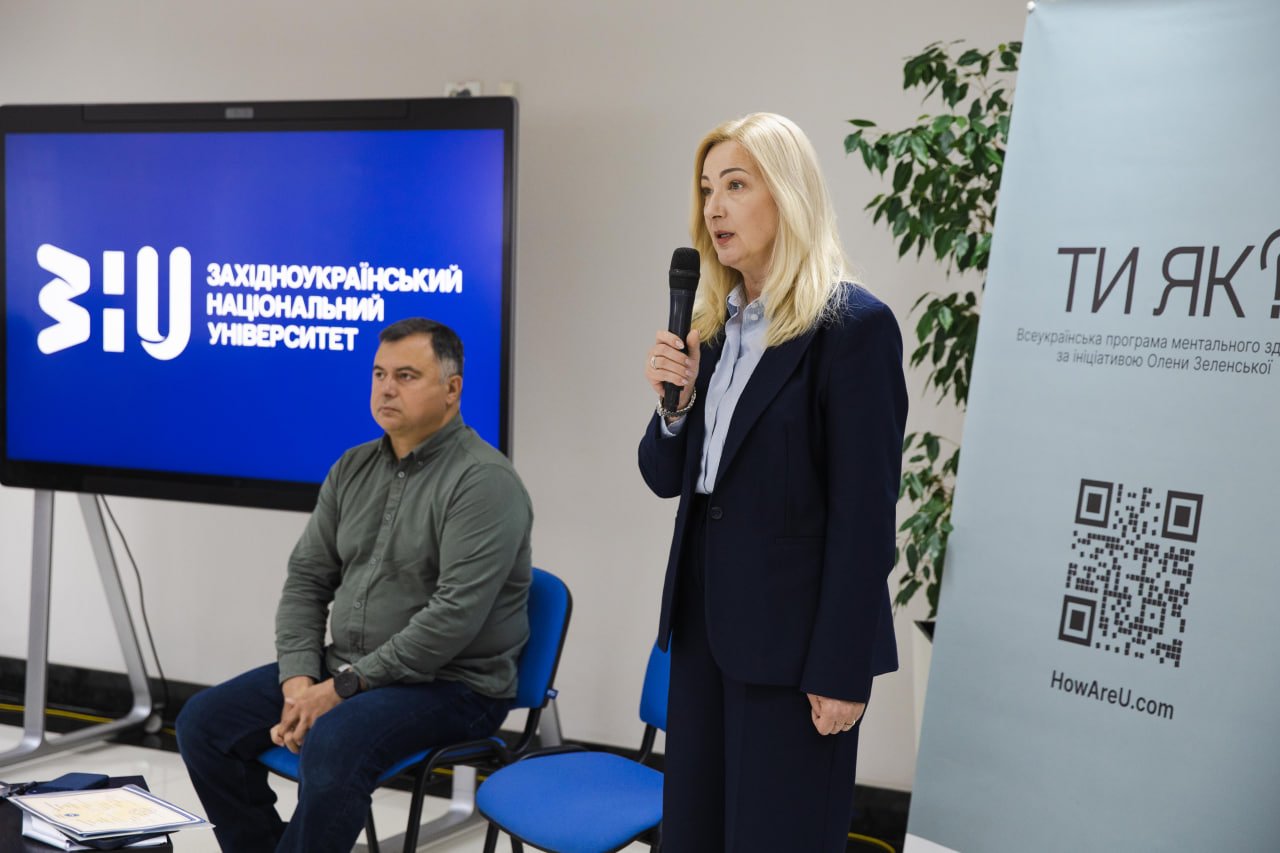
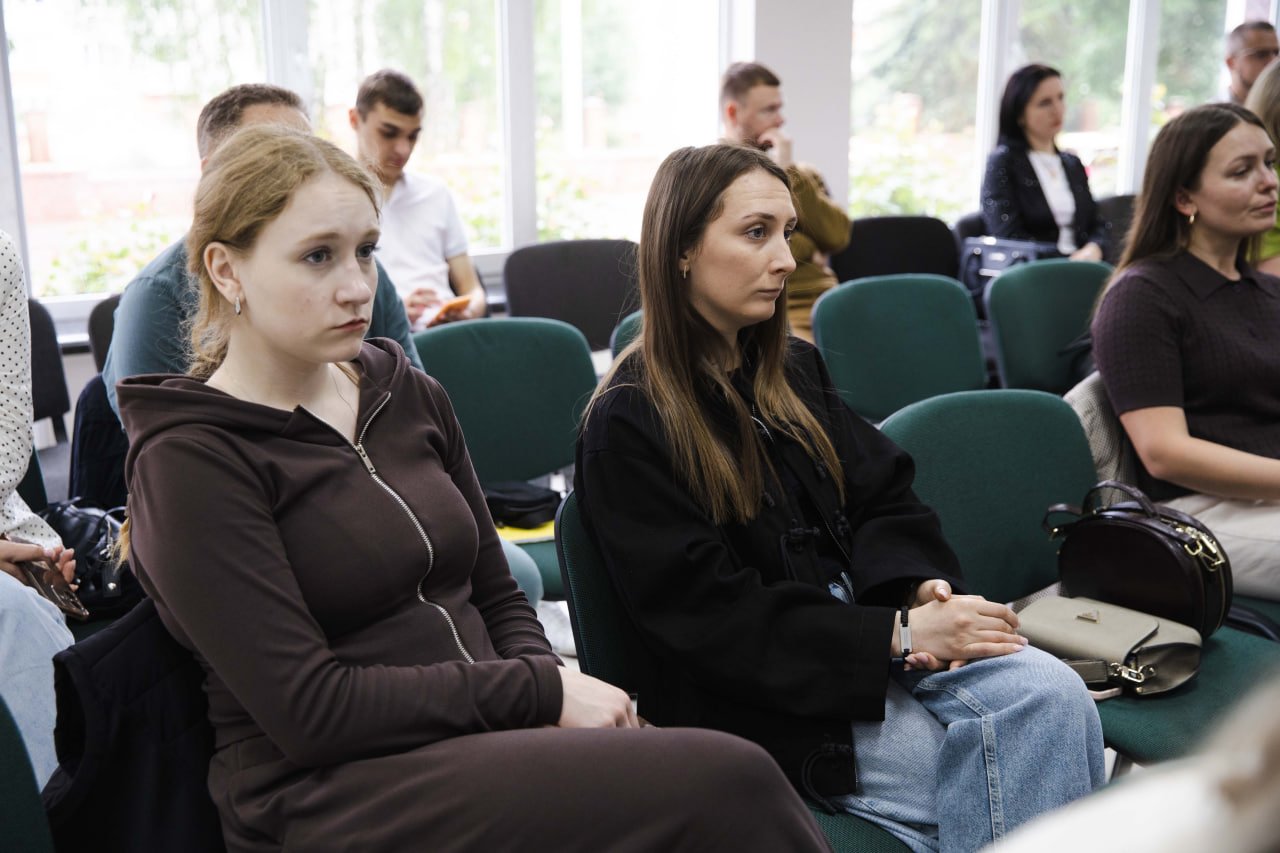
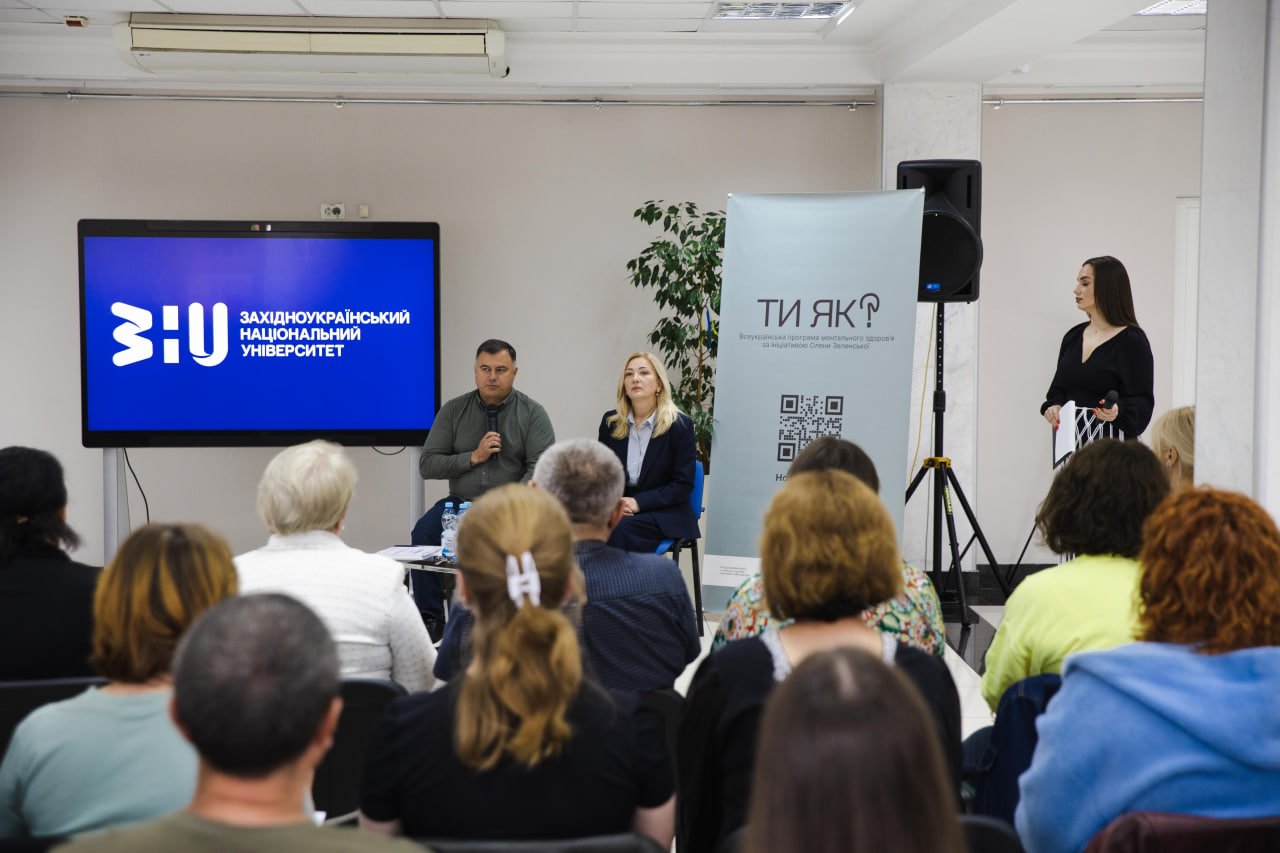
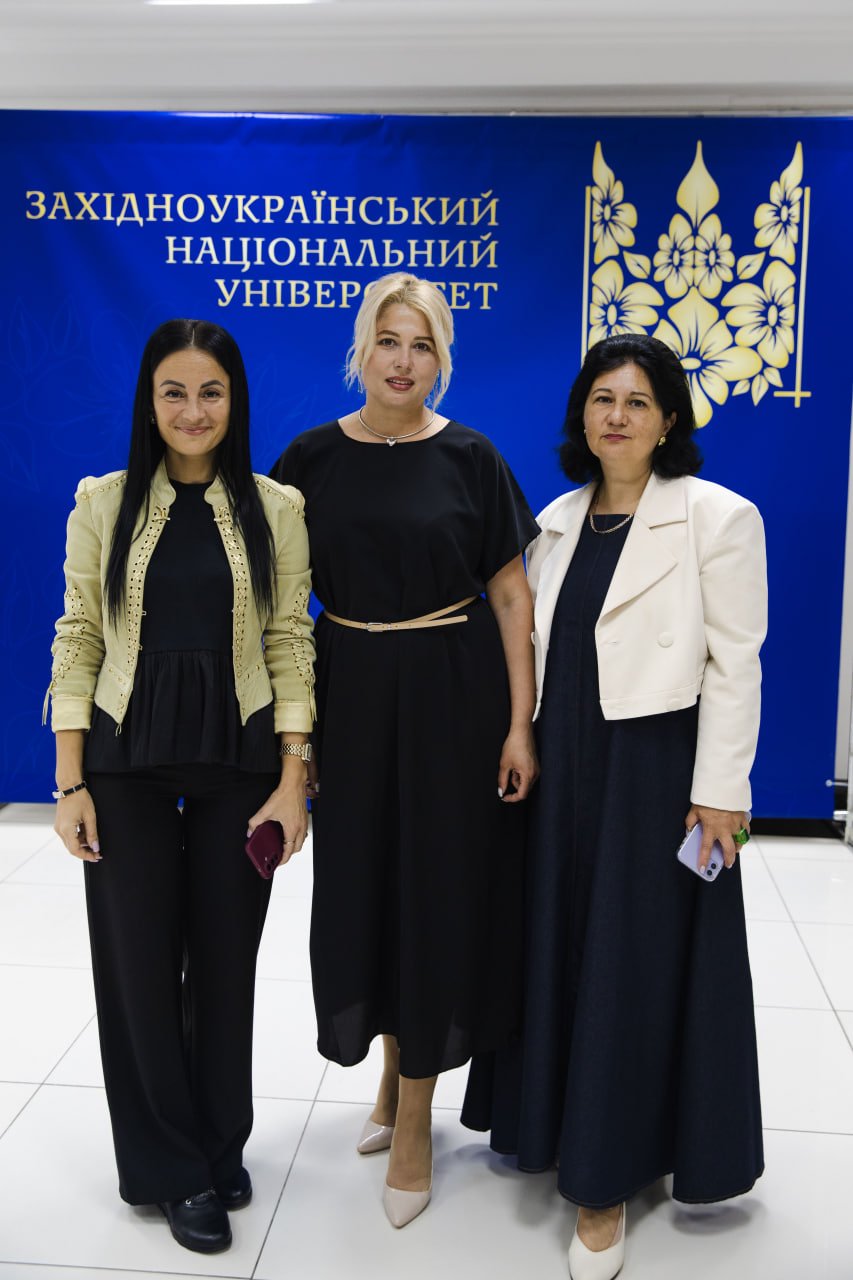
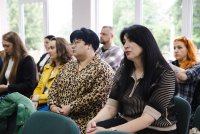
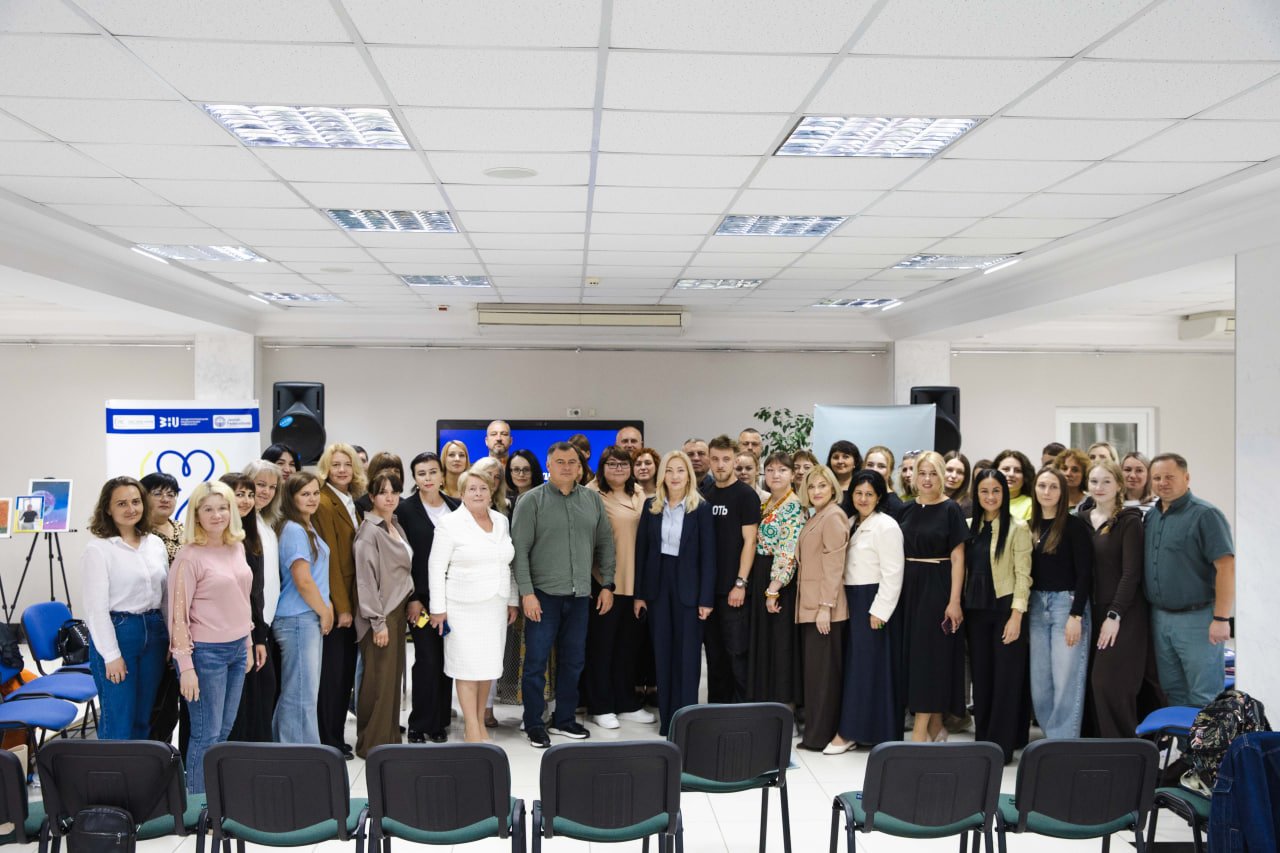 Today, a special event was held at West Ukrainian National University – a workshop entitled ‘Measures for the adaptation and psychosocial support of individuals released from captivity and their families”, organised by the staff of the Education and Research Centre for Social and Psychological Support and Resilience of WUNU and Lesia Kosovska, regional coordinator of the All-Ukrainian Mental Health Programme (TOVA), with the support of the Ministry of Veterans Affairs of Ukraine.
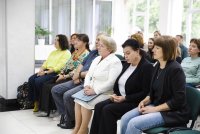
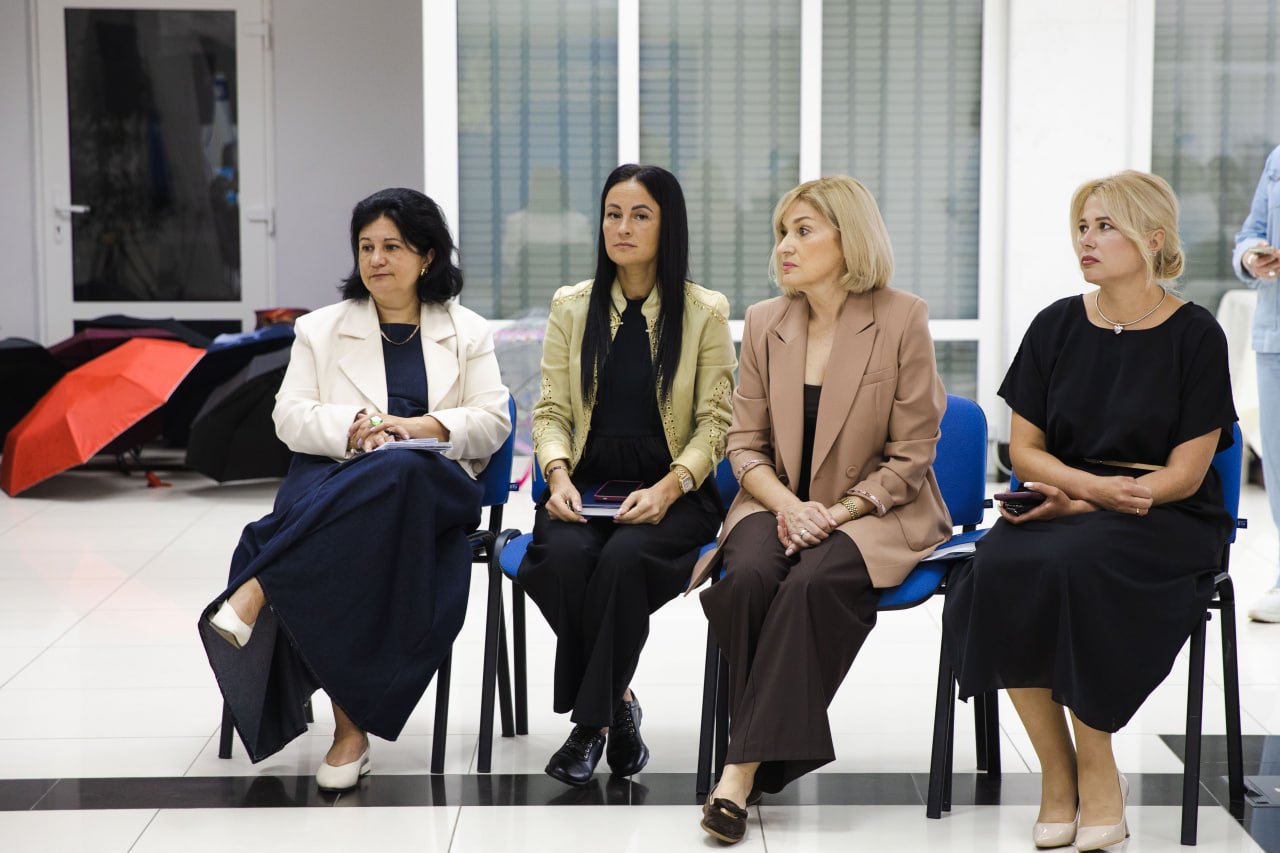
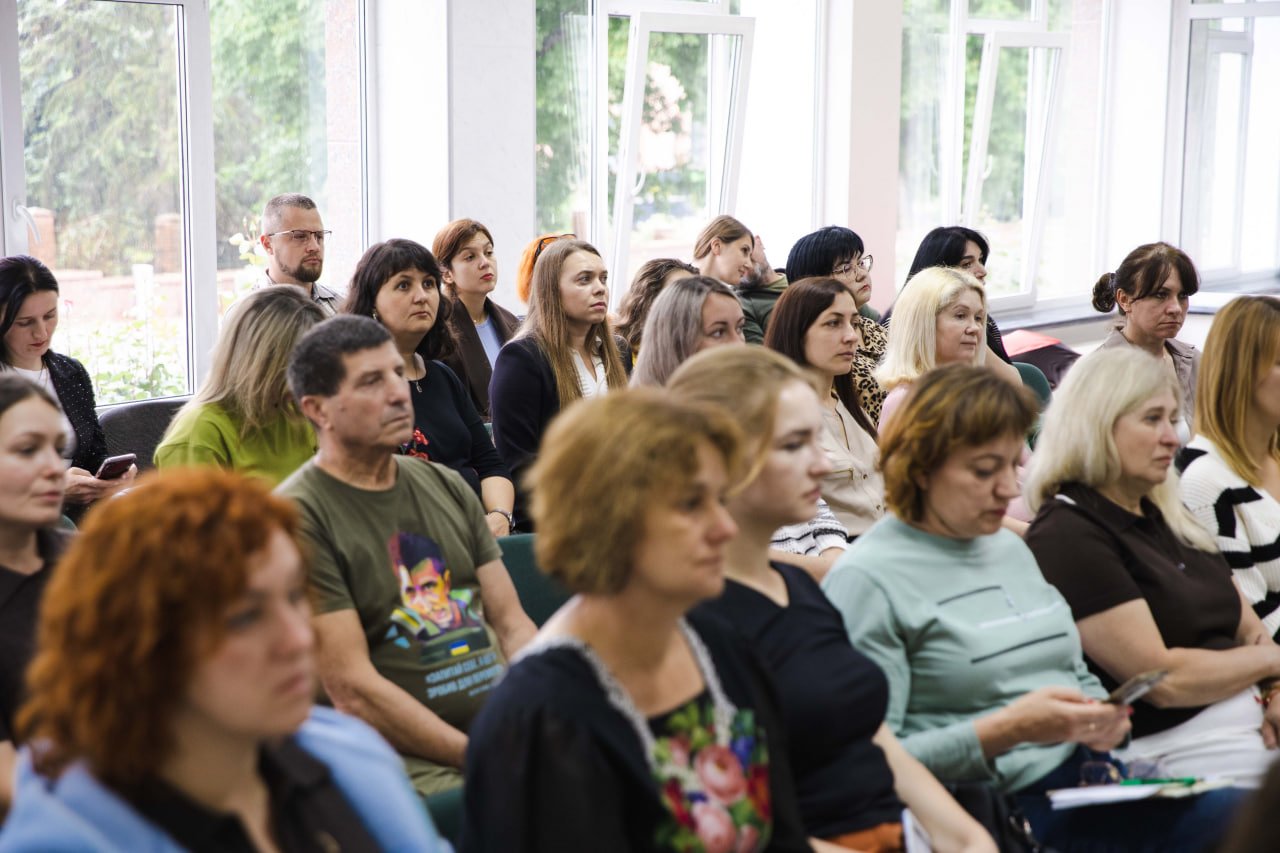
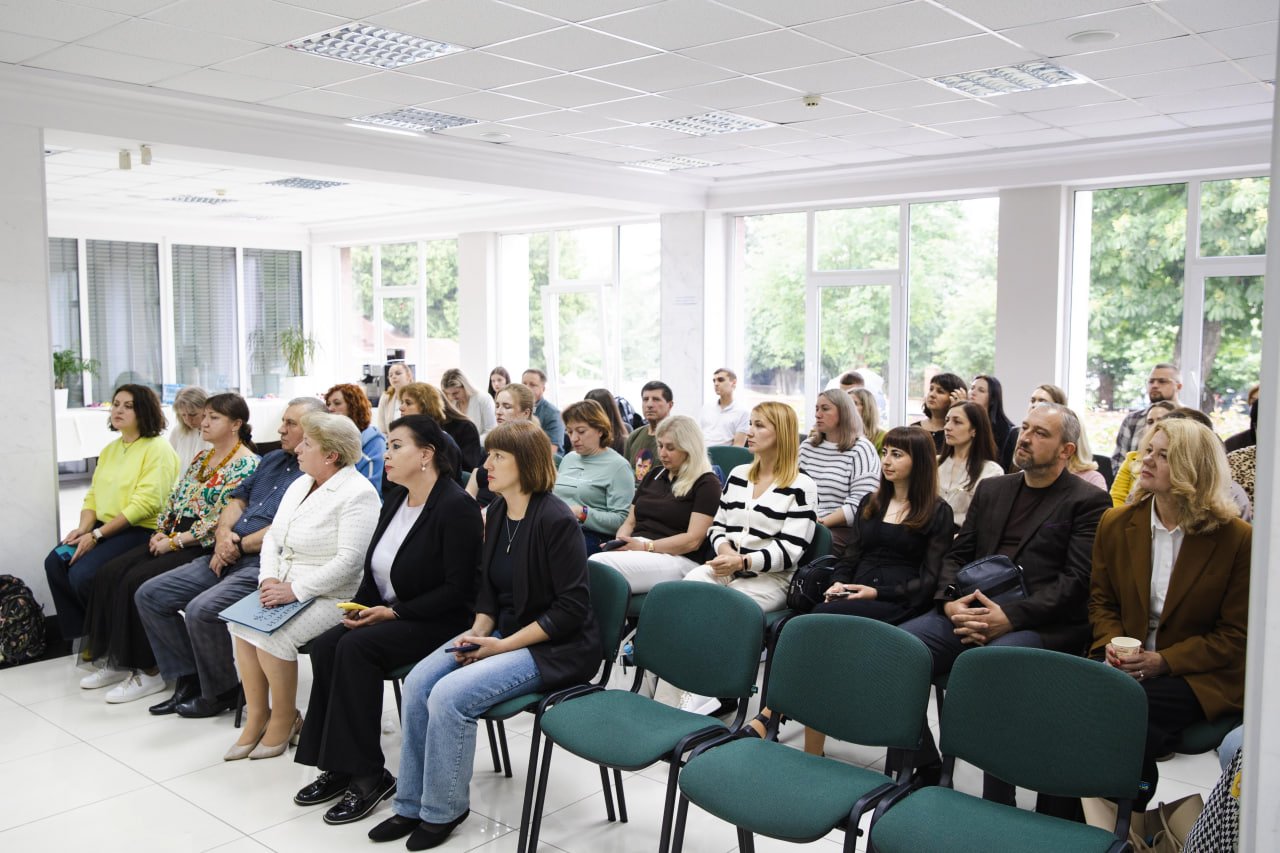
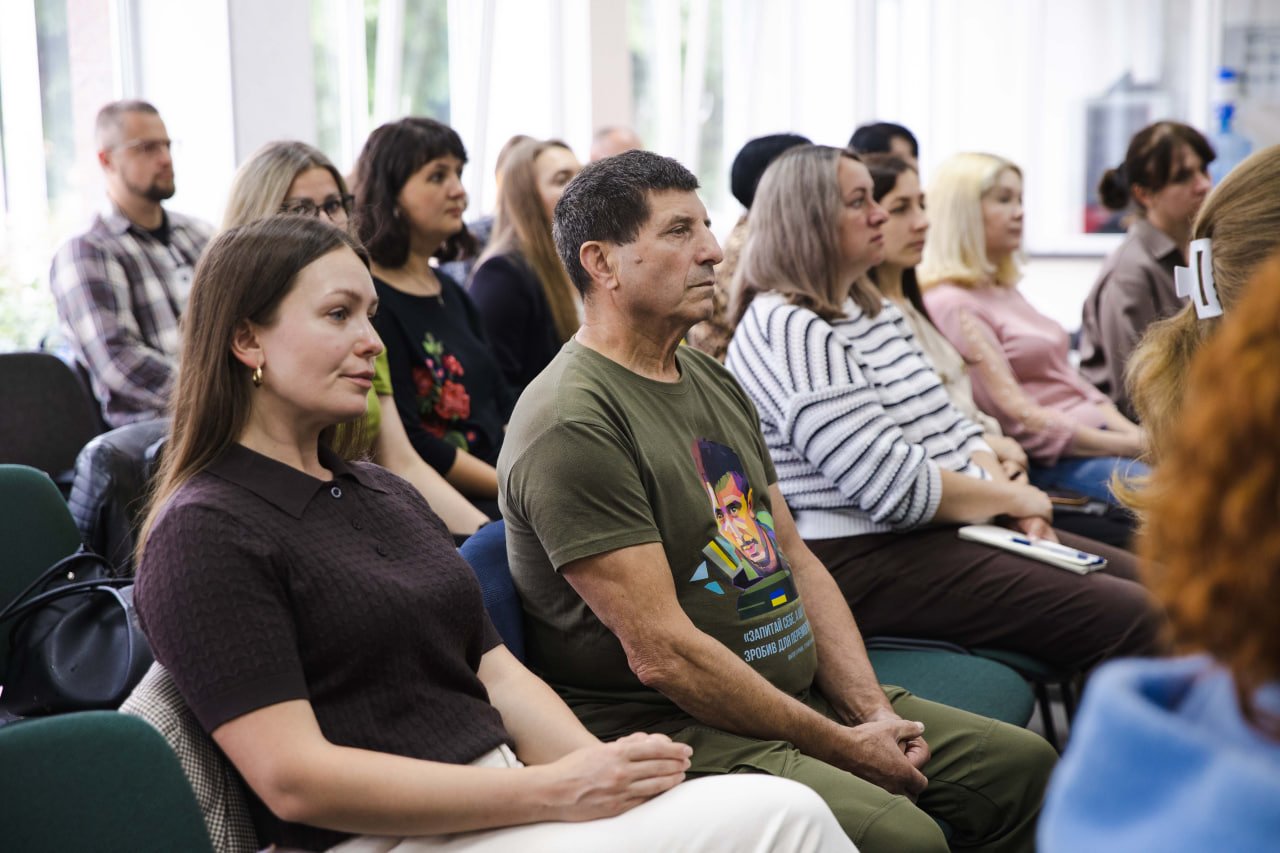
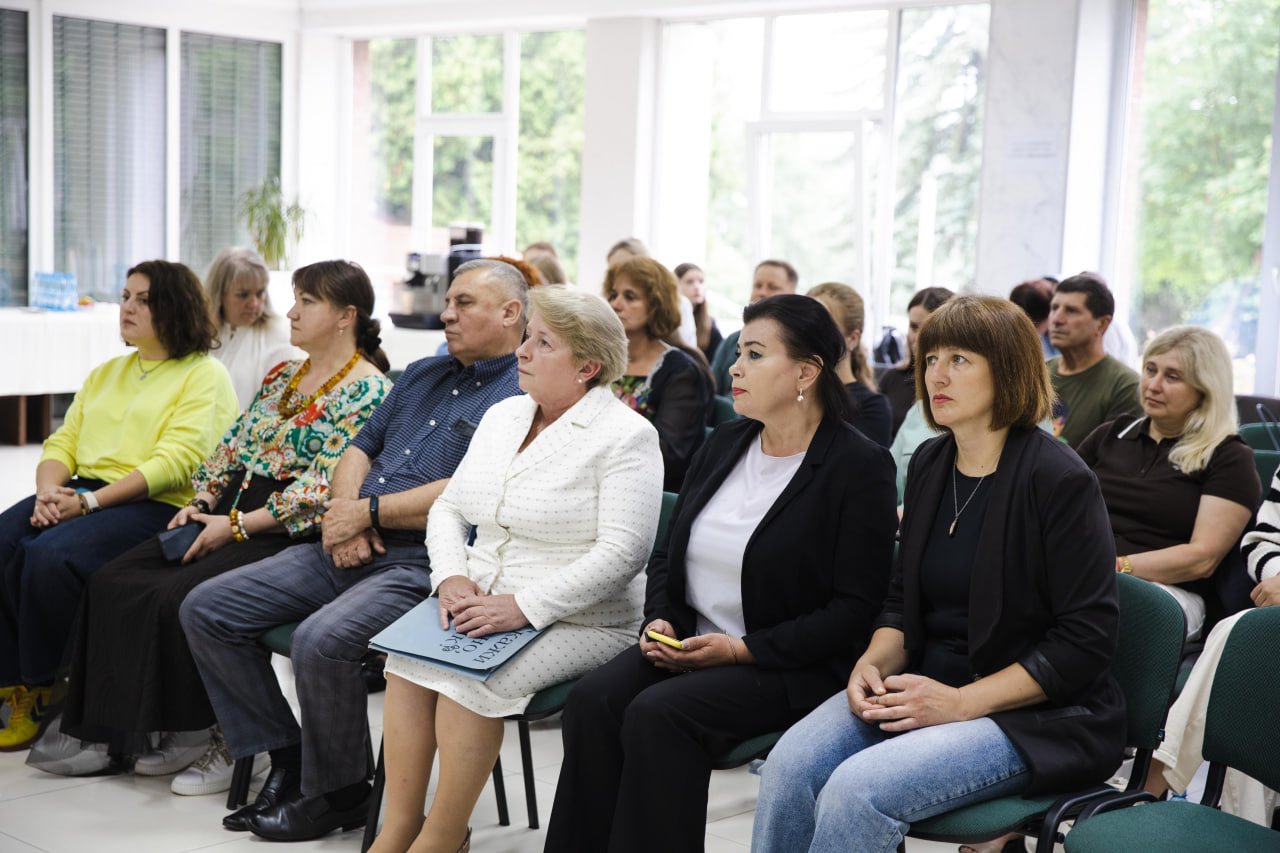
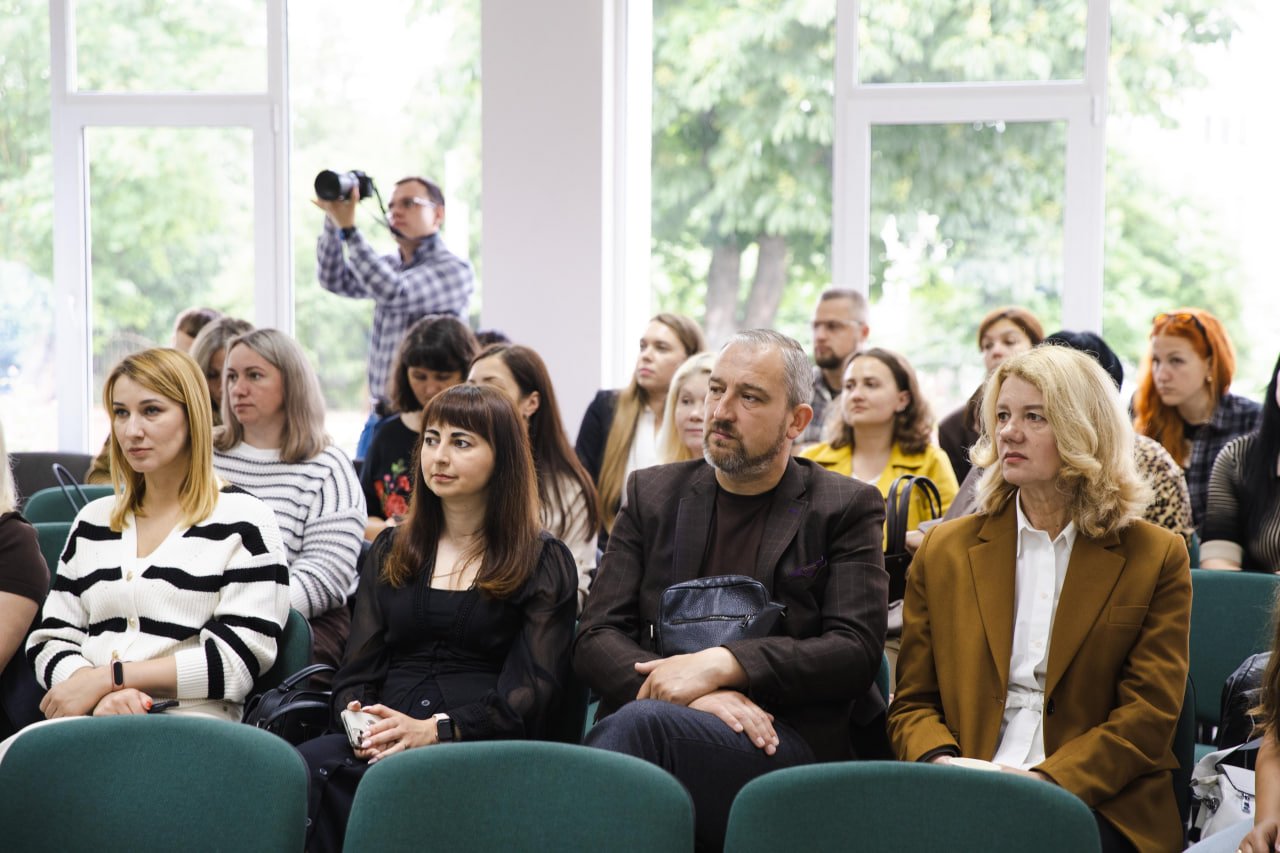
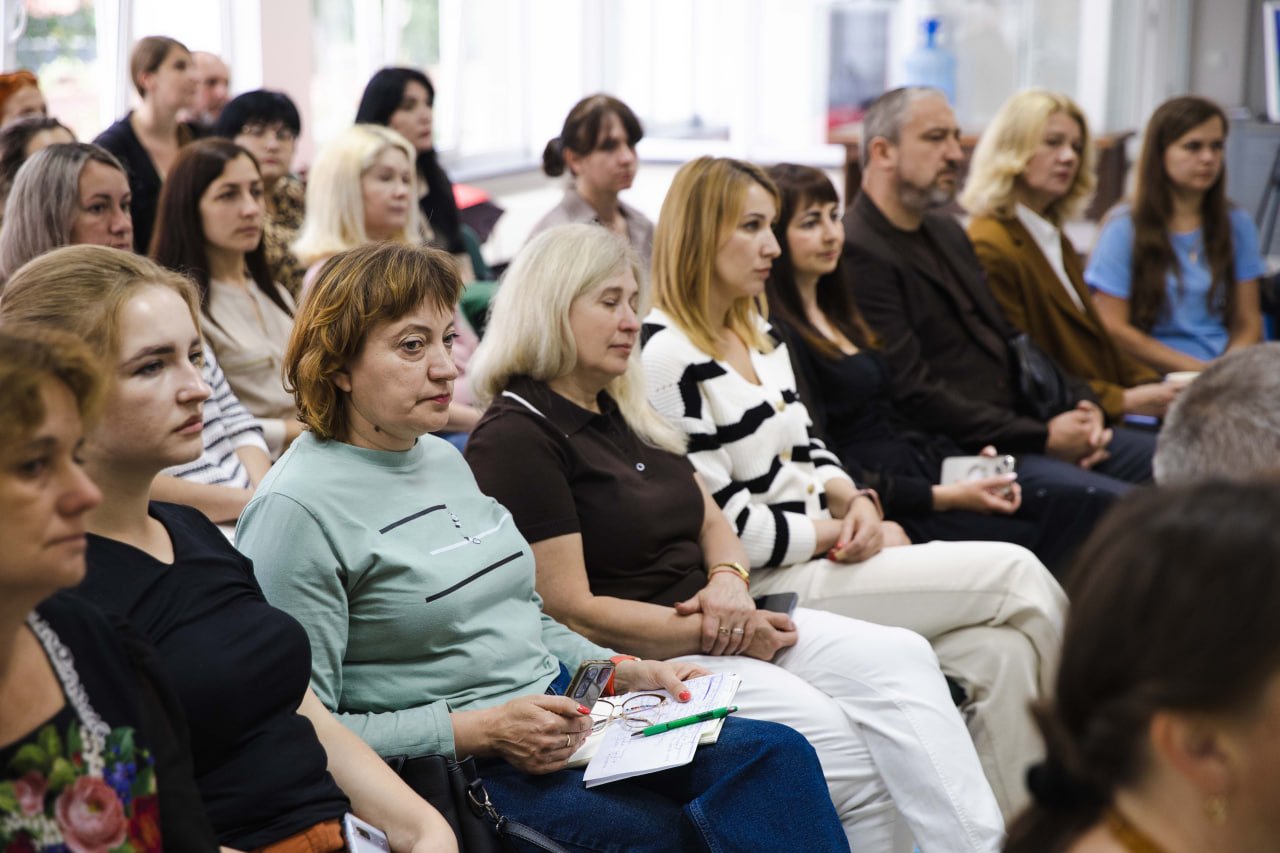
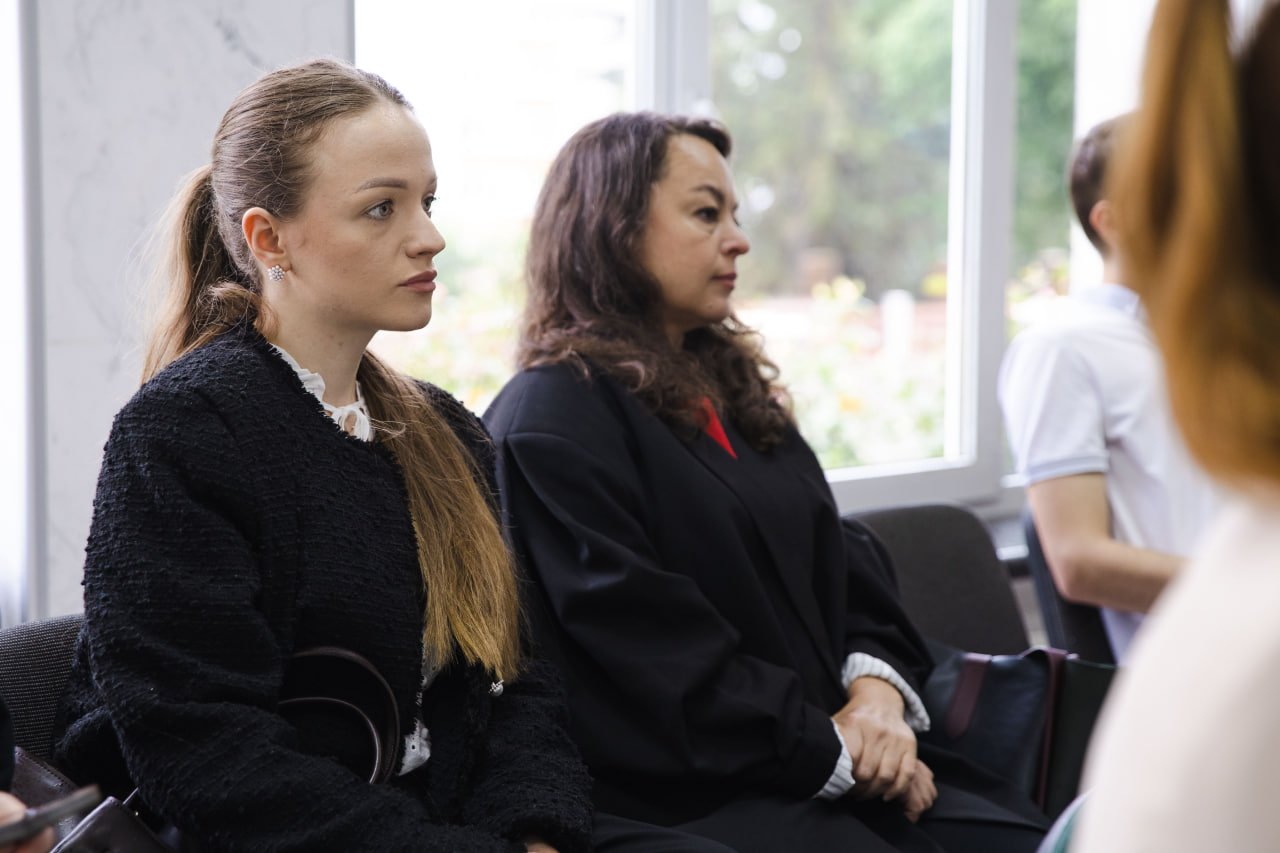
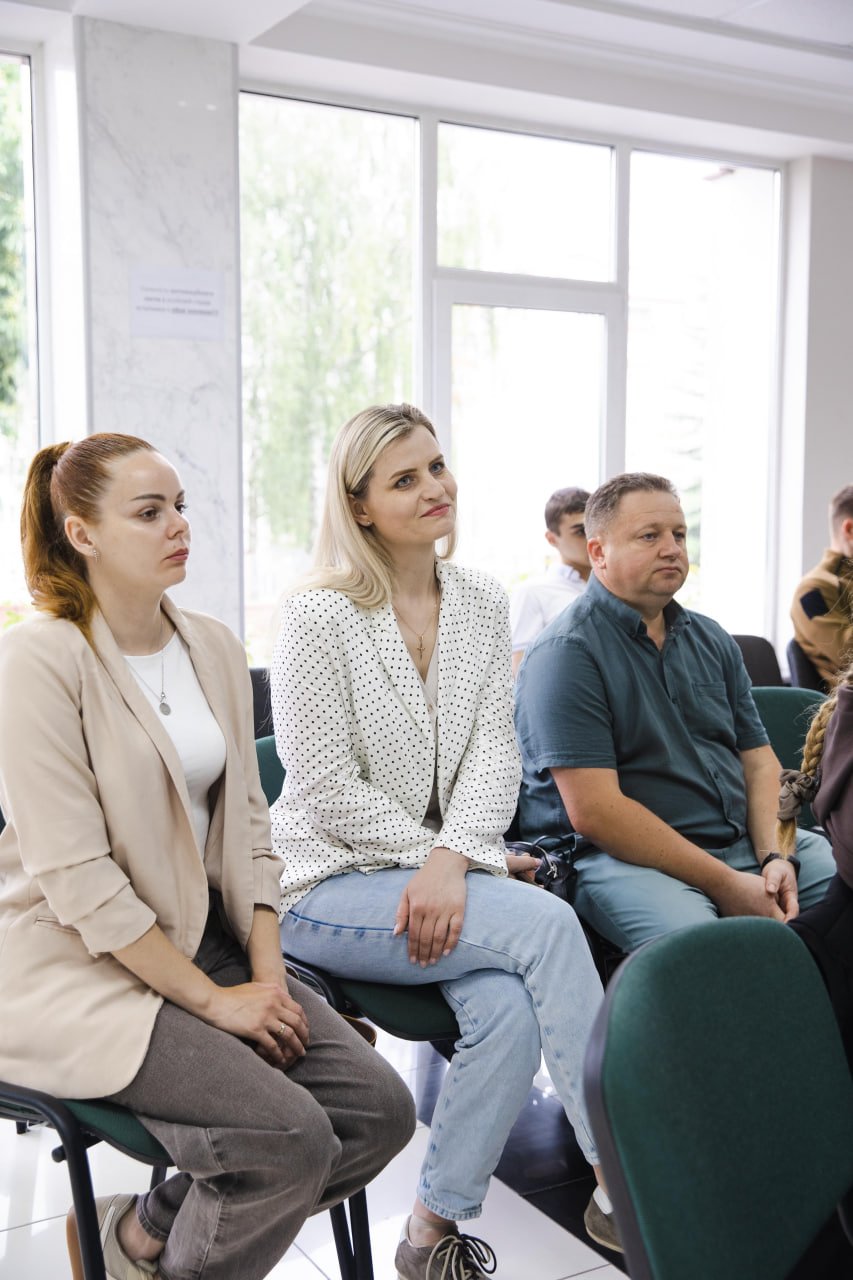
The workshop was attended by specialists in supporting war veterans and demobilised personnel, psychologists from the rehabilitation departments of healthcare facilities, community leaders, heads of resilience centres, representatives of administrative service centres, mental health centres, veterans’ hubs and rehabilitation departments, social workers, specialists in veteran support, heads of the Department of Veterans’ Policy and the Centre for Assistance to Rescued Persons.
The event began with words of gratitude to the heroes – those who cannot be with us today, those who gave their lives so that we might live and hold gatherings such as this.
The university’s rector, Oksana Desyatnyuk, addressed those present: ‘It is a great honour for West Ukrainian National University to host events that cannot leave us indifferent. We realise that today’s university is not merely an educational and research institution. It is a hub that brings the community together. It is a multifunctional institution that educates the future generation for our country. That is why we are doing everything possible to raise patriots. We set an example for them, showing that we must not shy away from the events taking place in Ukraine and that we should be grateful for every day, for the opportunities to study, work and support our military. Thank you for organising this event. In collaboration with TOVA, local communities and civil society organisations, we hold many such events. They are not for publicity. They are so that we can show just how much we must care about our future.”
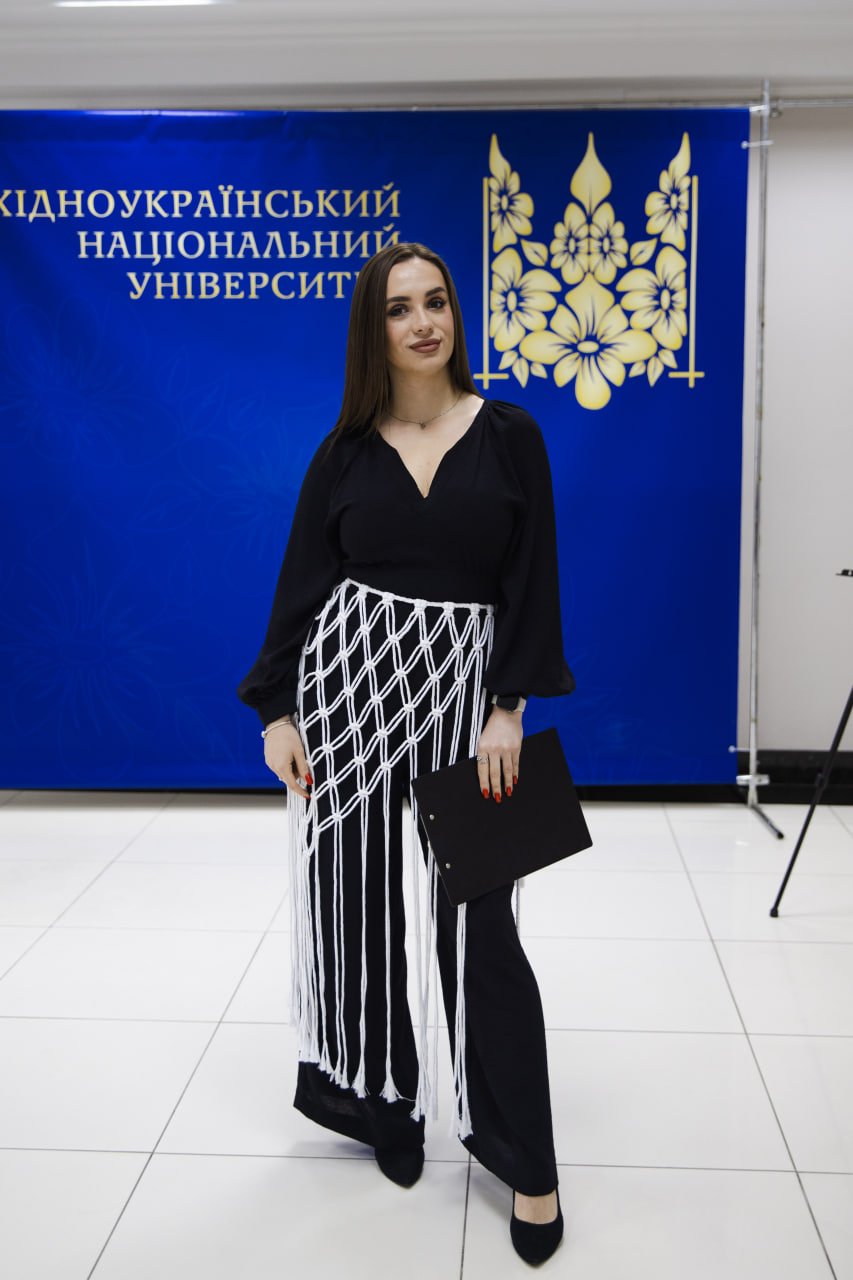
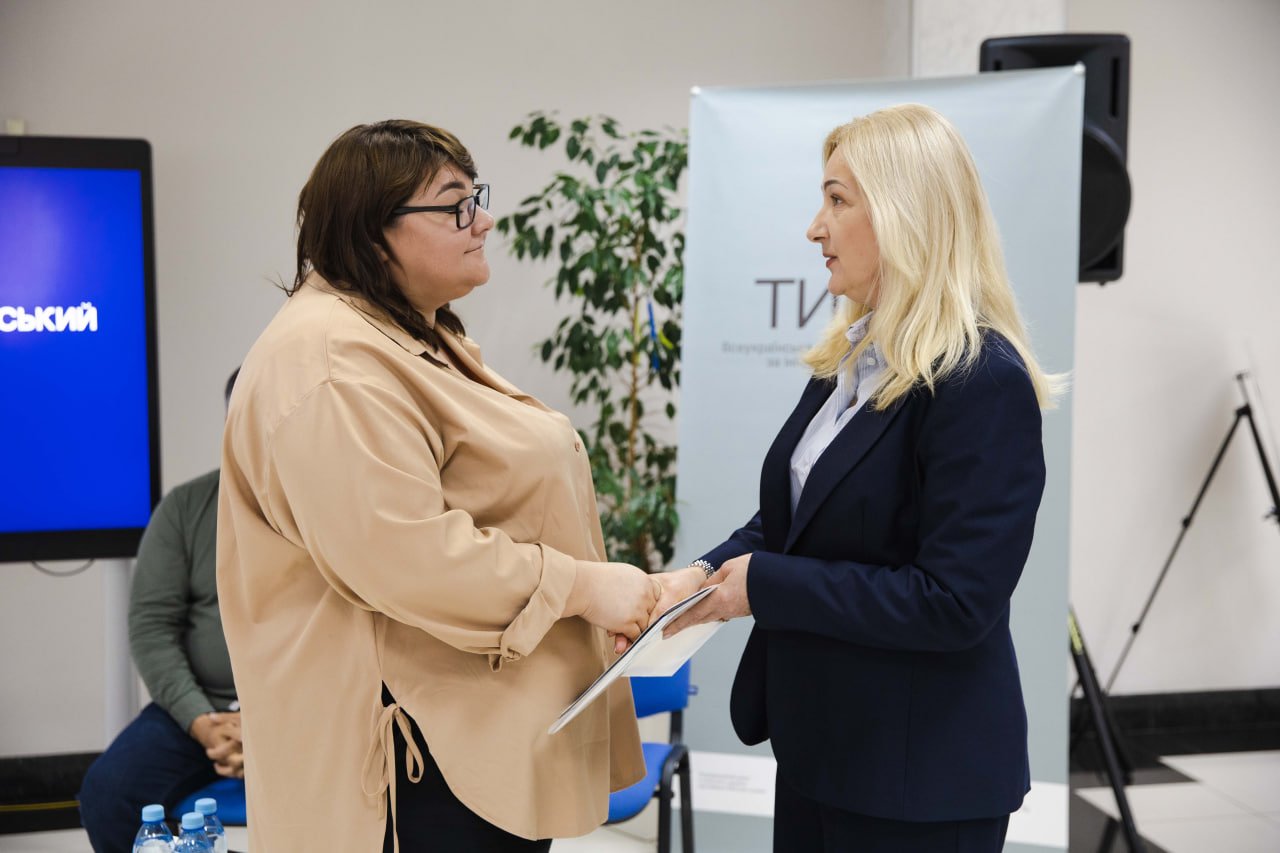
Prof. Desyatnyuk presented a master’s degree diploma to one of the event’s participants – Lieutenant Colonel Yuliia Yevstratova, a senior specialist in the Post-Discharge Support Section of the Reintegration Measures Department at the Central Directorate for Civil-Military Cooperation of the General Staff of the Armed Forces of Ukraine – who successfully completed the ‘Social Security’ educational programme.
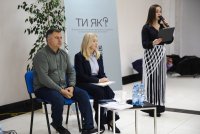
Taras Pastukh, Head of the Ternopil Regional State Administration, said: “Thank you to the university for joining us in supporting the Armed Forces of Ukraine and veterans. I would like to thank the psychologists and specialists supporting veterans who are helping servicemen return home. I would also like to thank Olena Zelenska — her ‘How are you?’ initiative is currently providing effective support to both military personnel and civilians.”
"It is now more important than ever to address issues of mental health and psychological trauma. Speaking from personal experience, I know that when you return from war with an injury, the line between life and death continues to haunt you for a very long time. The specialists at the rehabilitation centre eventually persuaded me to speak to psychologists. After all, we often think that everything is fine with us. The explosion that is etched in my memory was constantly wearing me down. But after the sessions, that image began to fade little by little. At the same time, there are guys and gals who have seen far worse things, suffered more severe psychological trauma or endured the horrors of captivity."
"It is equally important to support the families of prisoners of war. They are constantly under immense psychological strain and worry about the fate of their loved ones. Let us work together to help our defenders overcome the trauma they have had to endure."
During the practical part of the seminar, participants focused on the hands-on aspects of supporting servicemen and their families. Yuliia Yevstratova outlined in detail the aspects of adaptation, reintegration and psychosocial support for those released from captivity. Ms Yevstratova paid particular attention to the specifics of working with the families of prisoners of war and those missing in action, explaining the complex psychological states people face after enduring the horrors of captivity, and effective methods for overcoming them.
A particularly valuable part of the seminar was the talk given by former prisoner of war Sergeant Danylo Kravets, who shared his personal story of recovery. He spoke candidly about his own journey through rehabilitation, the challenges he and his family had to face, and what ultimately brought him back to life. Danylo now helps other servicemen who have survived captivity.
The workshop-seminar ‘Measures for the rehabilitation and psychosocial support of individuals released from captivity and their families’ provided a valuable opportunity to bring together government bodies, the military, academics and practising psychologists. This collaboration represents a significant step towards providing high-quality psychosocial support to those who need it most.