The 3rd International Financial Forum: ‘Modern Finance: National Stability, Security and Innovative Leadership’
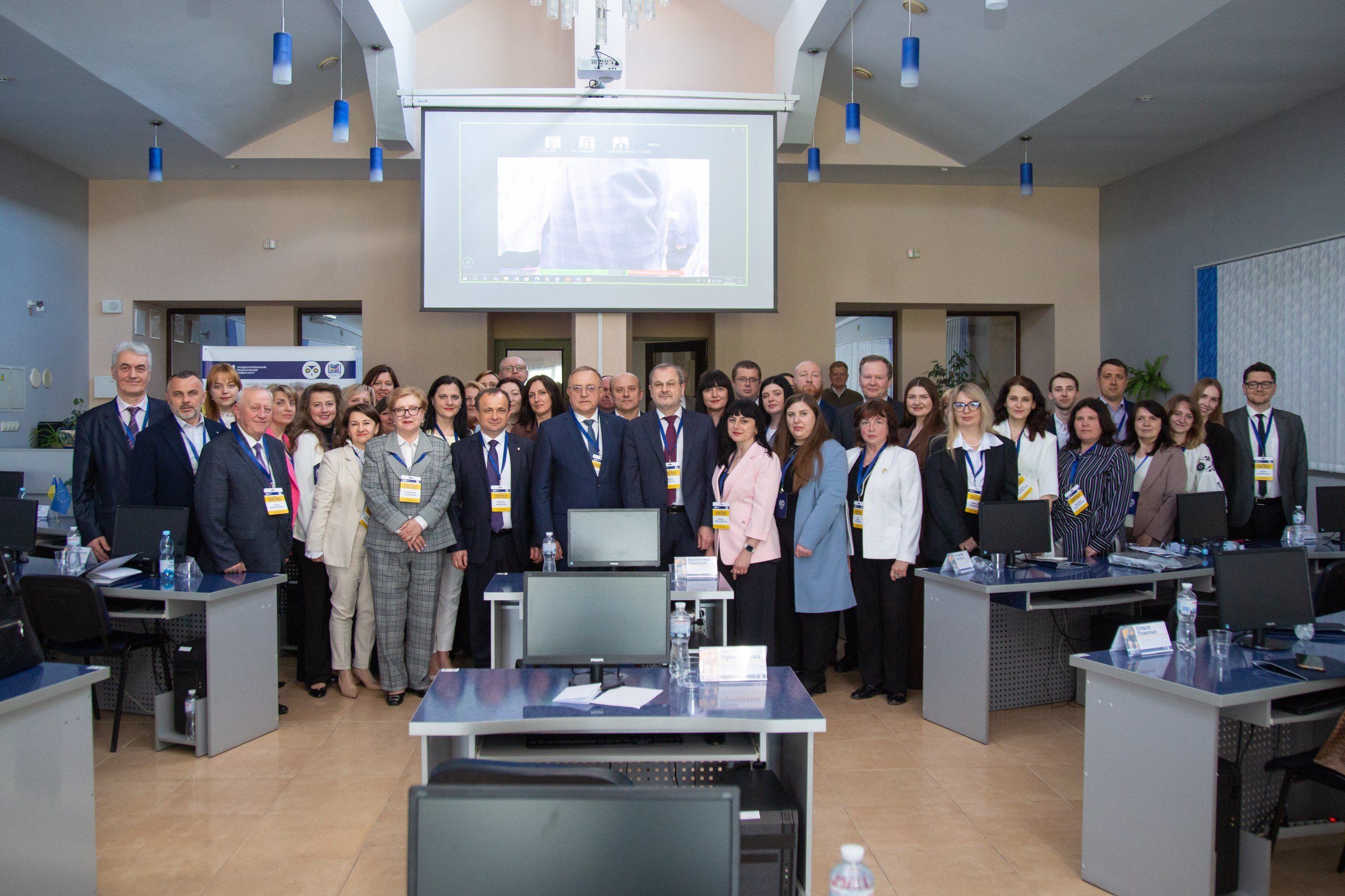
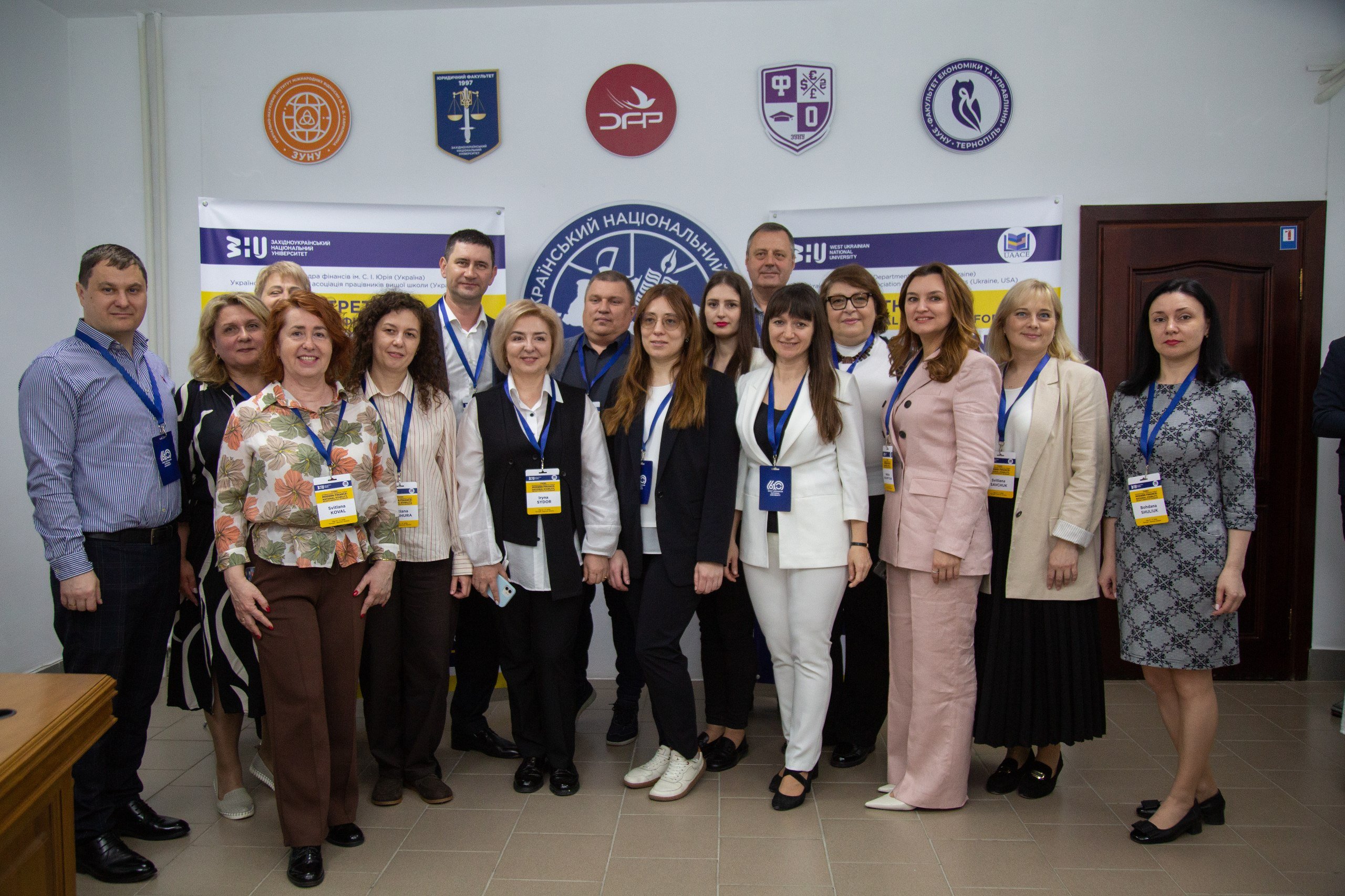
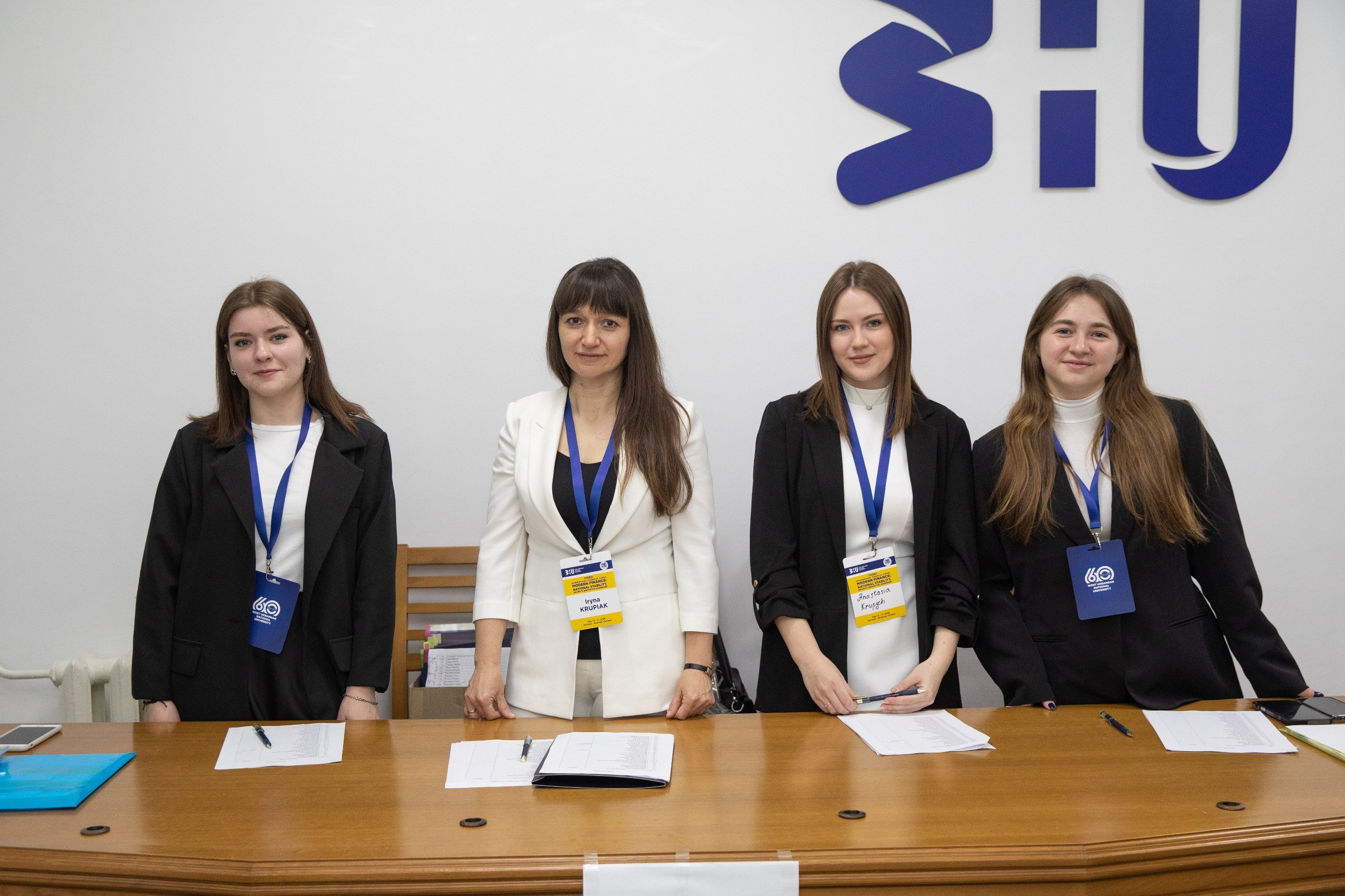
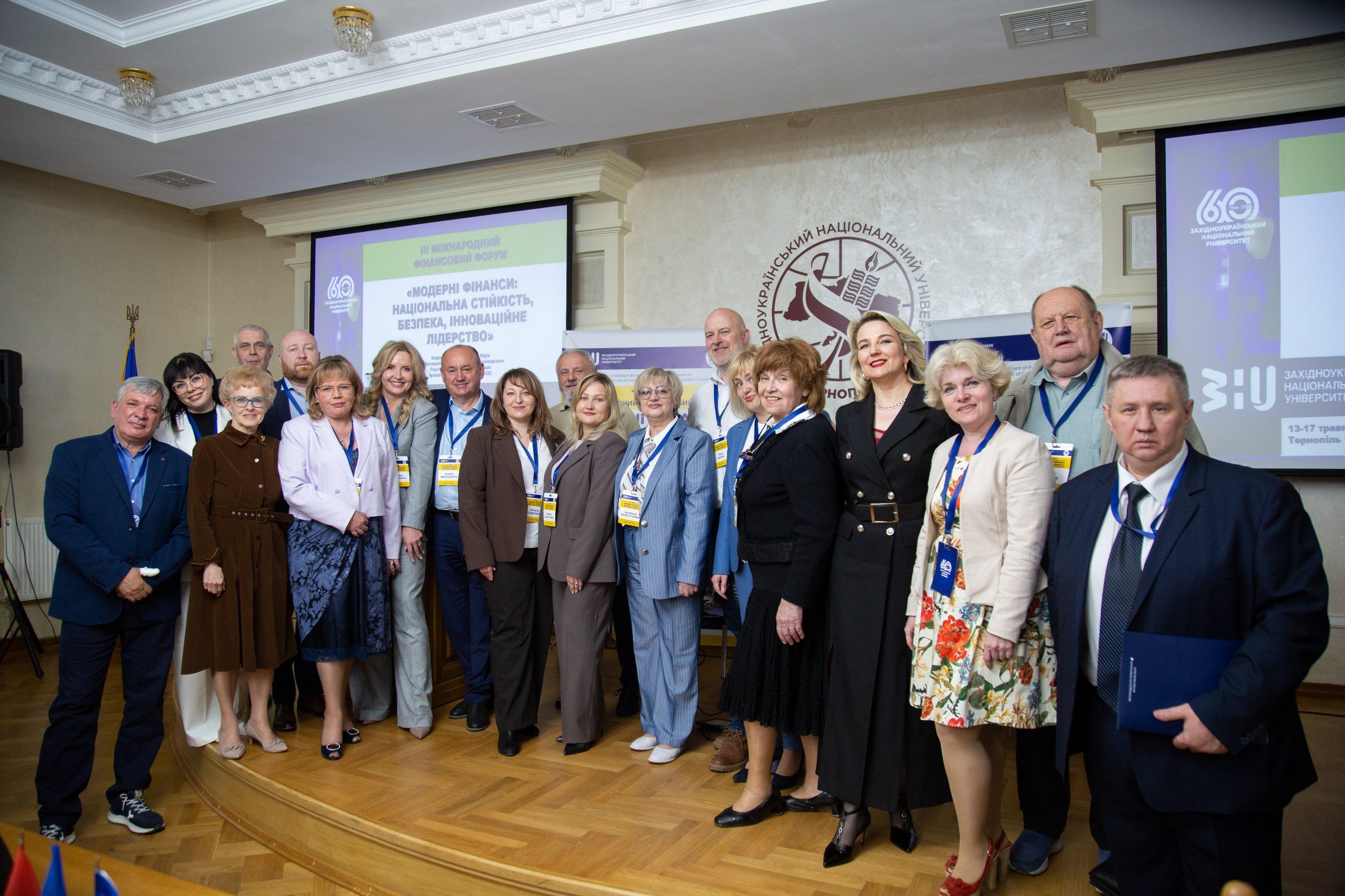
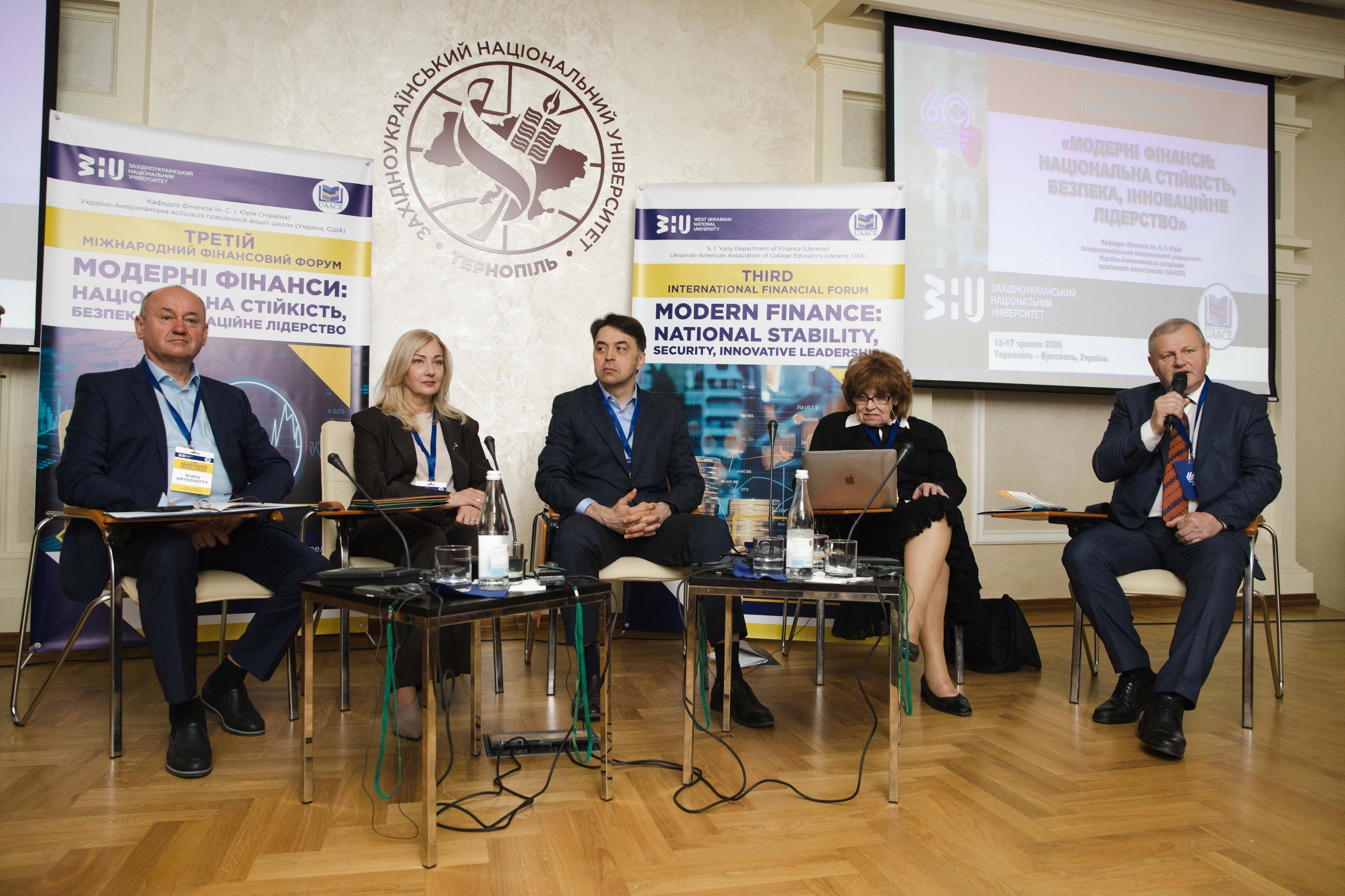
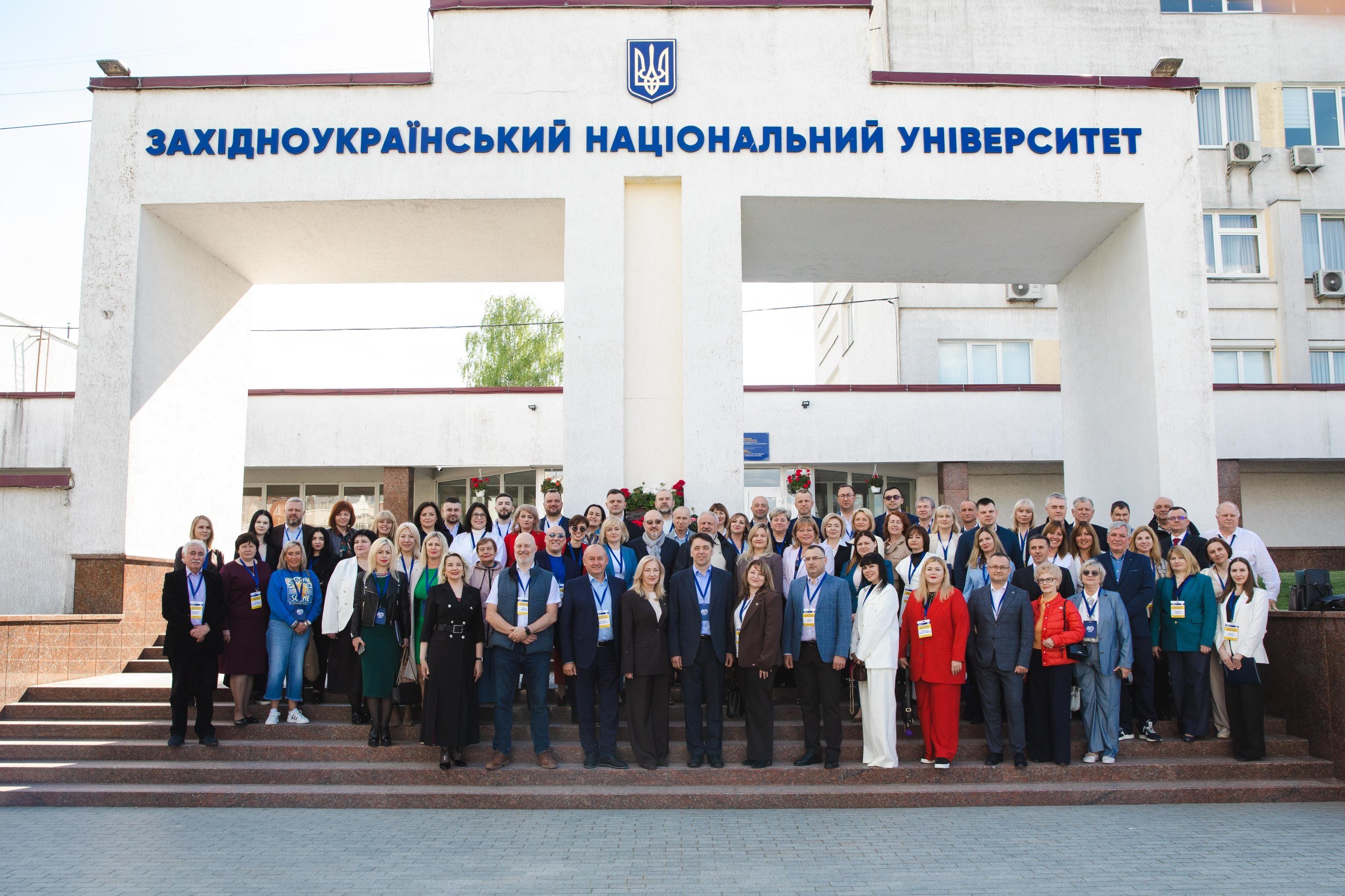 On 14 May 2026, West Ukrainian National University hosted the 3rd International Financial Forum, ‘Modern Finance: National Stability, Security, Innovative Leadership’, organised by the S. I. Yuriy Department of Finance in partnership with the Ukrainian-American Association of College Educators, the Ministry of Social Policy, Family and Unity of Ukraine, the Ministry of Finance of Ukraine, the State Treasury Service of Ukraine, the State National University “Academy of Financial Management” of the Ministry of Finance of Ukraine, and with the support of more than 30 Ukrainian and foreign universities and research institutions.
The aim of the forum is to create a platform for professional dialogue to develop innovative management solutions aimed at addressing the pressing challenges of transforming the financial sector, identifying ways to strengthen national resilience, enhancing security, and fostering innovative leadership in the face of military challenges and global turbulence. Academics, educators, practitioners and international partners have begun exchanging experiences and views on current issues and the prospects for the development of the financial system.
In their opening remarks, the members of the programme committee warmly welcomed the forum participants and emphasised that Ukraine’s current circumstances are characterised by a struggle for independence and, at the same time, by profound transformations in the global financial system, which raise questions regarding financial stability, security and innovative development.
The researchers noted that the modern financial system must be not only efficient but also adaptable to economic, technological and geopolitical challenges. In a rapidly changing environment, it is particularly important to establish transparent, secure and responsible financial ecosystems capable of fostering a high level of trust among citizens, businesses and international partners.
At the same time, the digitalisation of the financial sector, the development of fintech solutions and the implementation of artificial intelligence technologies are creating new opportunities to enhance the flexibility, accessibility and inclusiveness of the financial system. Particular emphasis was placed on the fact that modern leadership in the field of financial innovation requires a harmonious combination of technological progress with the principles of ethics, security and social responsibility. The holding of the 3rd International Financial Forum is also a testament to the resilience of Ukrainian society and its ability to ensure scientific and professional development even in the midst of a full-scale war.
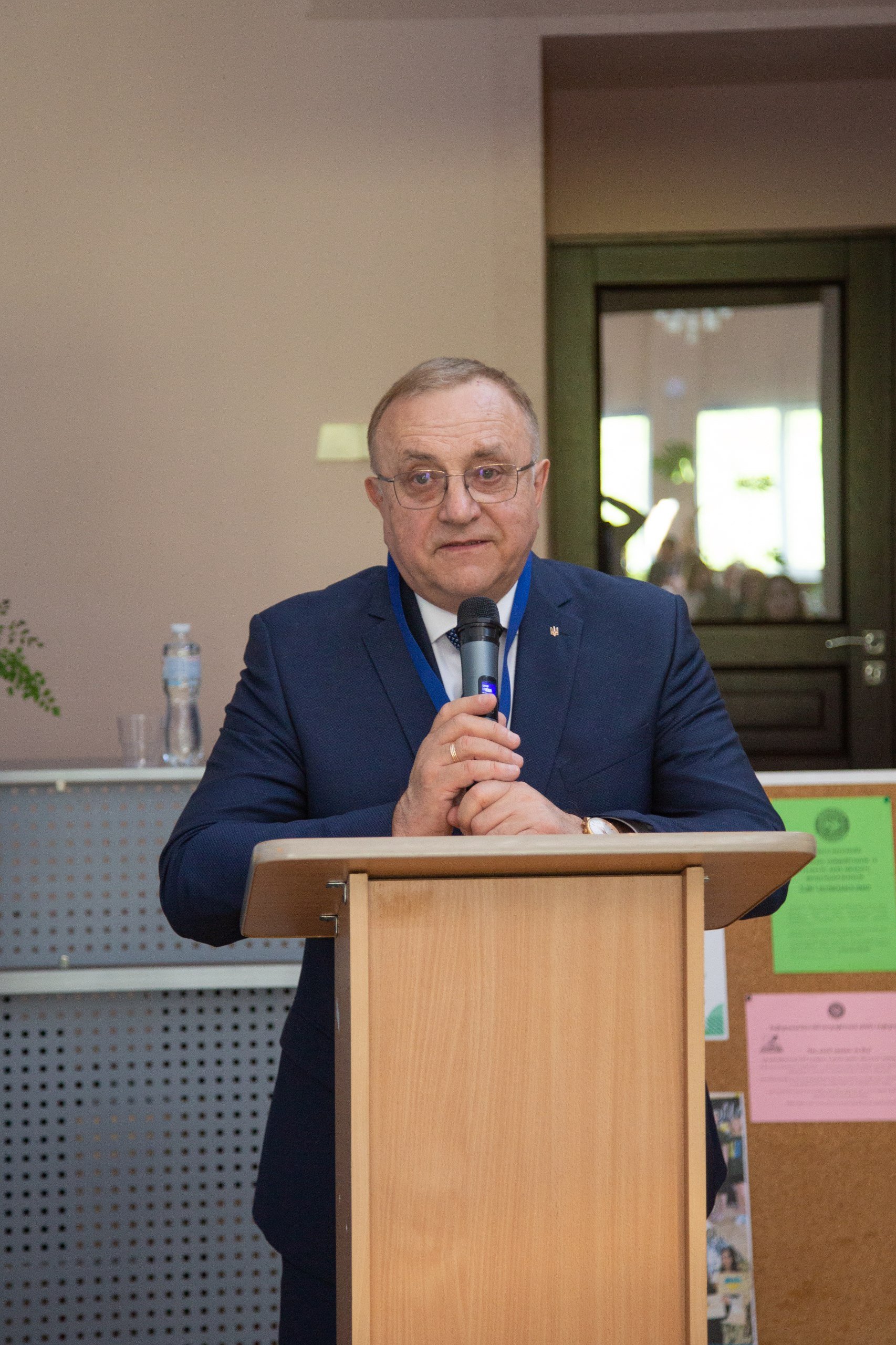
Opening the first session of the discussion platform ‘Geosecurity and the National Resilience of Public Finances’, Kostiantyn Vashchenko (Dr. of Political Science, Professor, Full Member of the National Academy of Pedagogical Sciences of Ukraine, Senior Research Fellow at the Mykhailo Dragomanov National University, Head of the National Agency of Ukraine for Civil Service (2014–2019), State Secretary of the Ministry of Finance of Ukraine (2019–2020)) presented a report dedicated to the study of key challenges in ensuring state stability amid global uncertainty, heightened security risks, economic instability and the transformation of the international environment.
The speaker focused in particular on the role of public administration in shaping adaptive public policy mechanisms capable of ensuring an effective response to crises and maintaining socio-economic stability. The report also highlights the importance of public finance capacity as a fundamental factor in the state’s financial stability, its institutional effectiveness and the implementation of strategic development priorities.
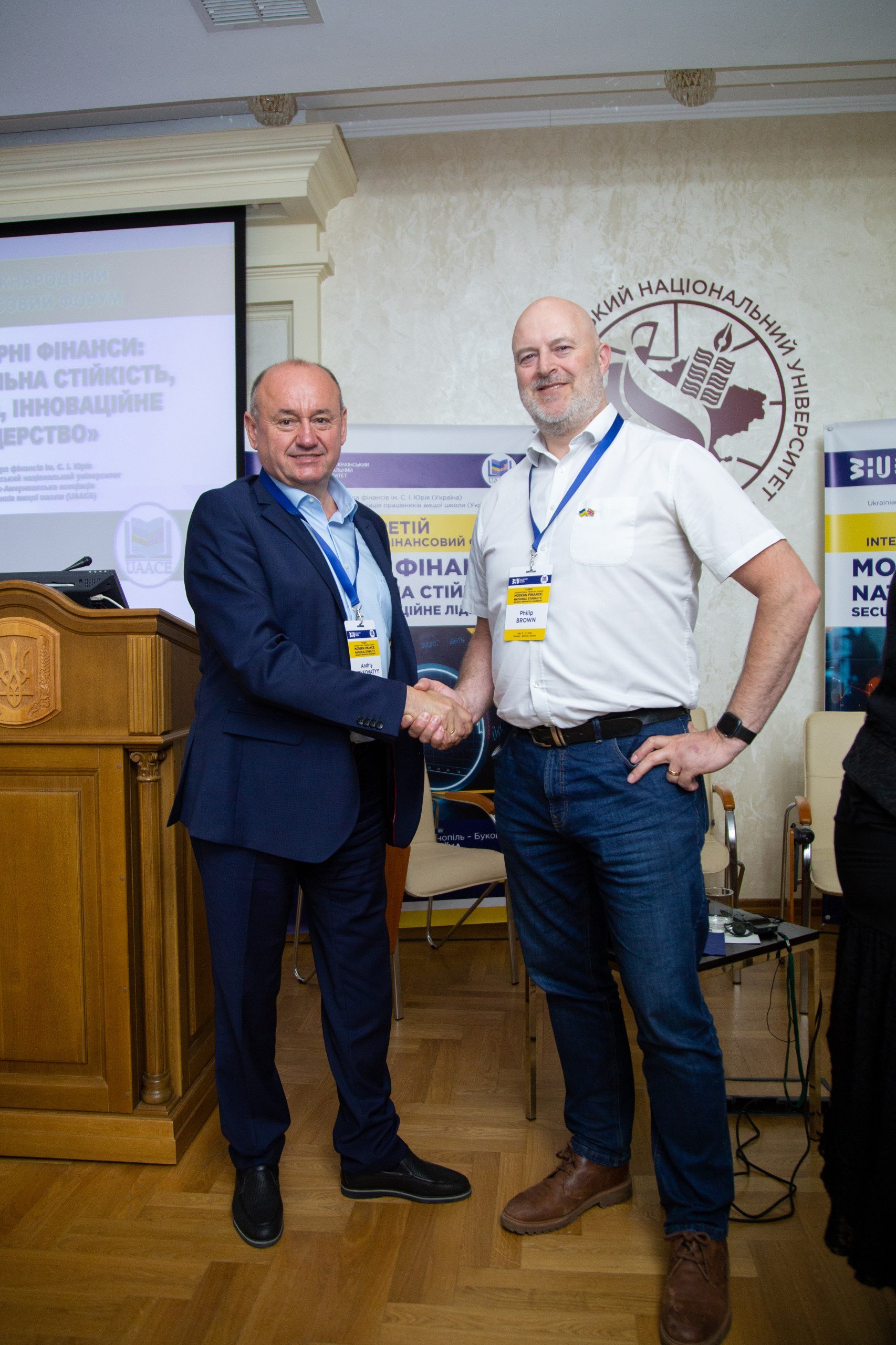
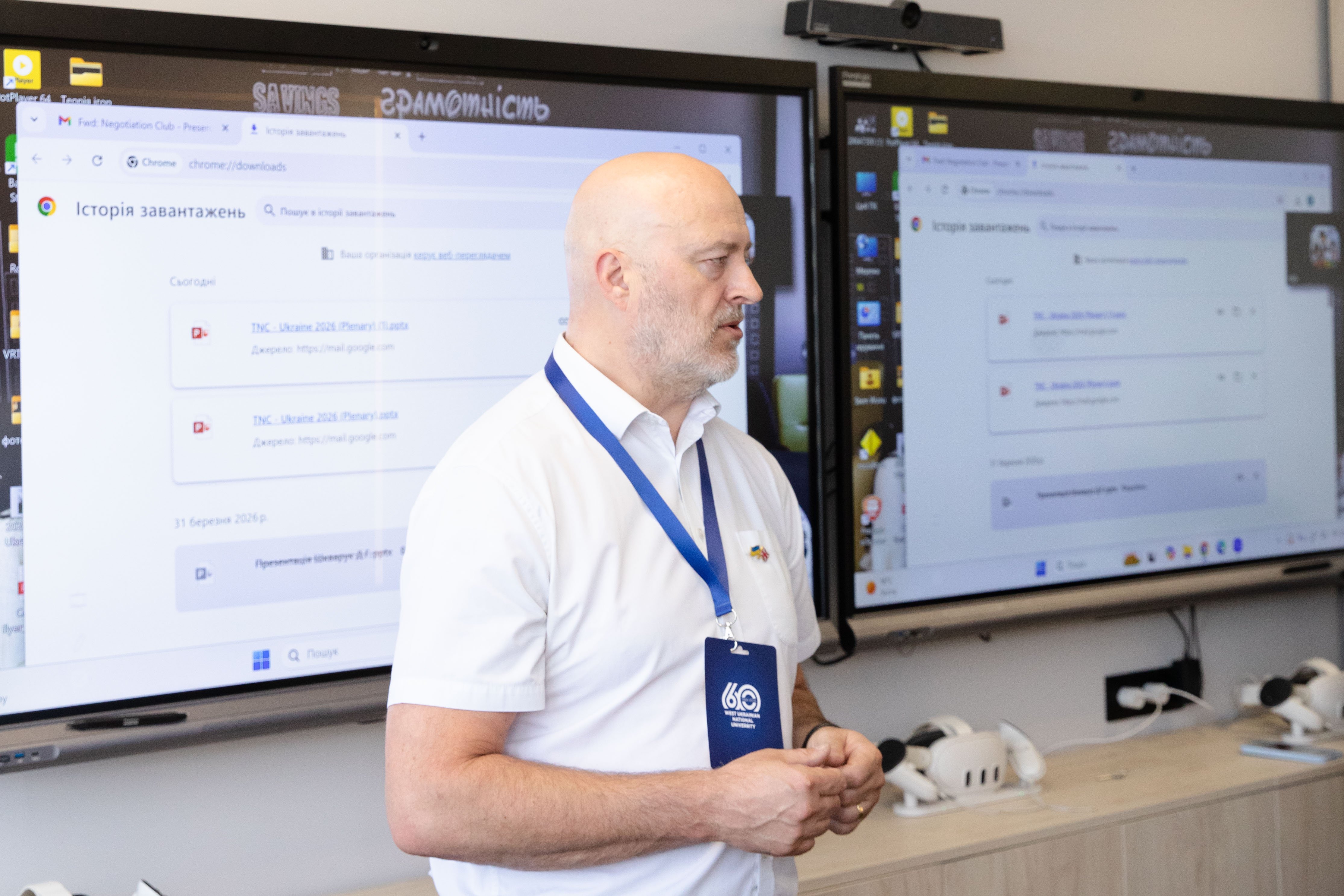
Philip Brown, an international expert in financial negotiations and procurement, a consultant at Arthur D. Little, founder of The Negotiation Club, and author of the innovative practical toolkit Negotiation Cards, devoted his presentation to an exploration of contemporary innovative approaches to negotiation within a dynamic business and management environment.
Mr Brown focused primarily on the application of effective decision-making strategies, the development of communication skills, and the use of digital tools to enhance the effectiveness of the negotiation process. The presentation also highlighted the importance of partnership and cooperation as key factors in reaching mutually beneficial solutions and ensuring the long-term effectiveness of professional communication.
In his presentation, Oleksandr Sharov, Doctor of Economics, Professor and Senior Research Fellow in the International Financial Research Section of the Public Finance Department at the State Institution ‘Institute of Economics and Forecasting of the National Academy of Sciences of Ukraine’, focused on analysing the nature and key drivers of geo-financial uncertainty against the backdrop of global economic, political and security transformations.
The speaker focused on research into the impact of geopolitical conflicts, financial instability, sanctions policies and structural changes in global markets on the functioning of national economies and the international financial system. In his report, prof. Sharov also outlined possible scenarios for the development of geo-financial processes and provided well-founded forecasting approaches to ensuring economic stability and the adaptation of states to conditions of global uncertainty.
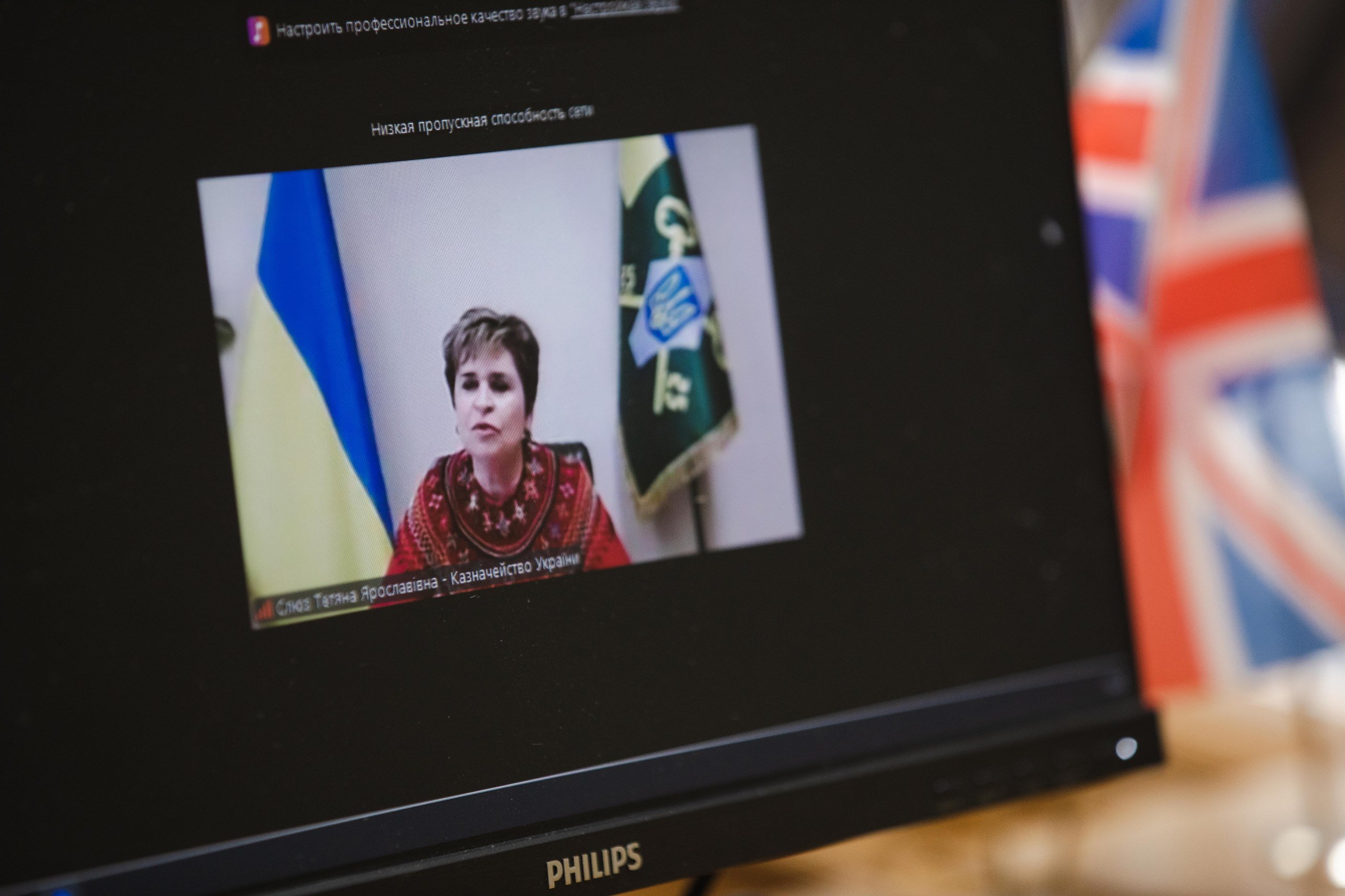
In her presentation, Tetiana Iefymenko, Doctor of Economics, Professor, President of the State Educational and Scientific Establishment “The Academy of Financial Management”, outlined the conceptual foundations of financial regulation for Ukraine’s sustainable development during and after the war, against a backdrop of prolonged geopolitical turbulence and persistent high-level security threats.
The speaker outlined the role of fiscal policy and state regulatory mechanisms in ensuring macro-financial stability, supporting economic resilience and laying the groundwork for the country’s post-war recovery. In her report, she also outlined the need to adapt the financial system to wartime conditions, strengthen the state’s institutional capacity and introduce effective risk management tools in the context of the ongoing war.
The first session of the discussion platform concluded with a presentation by Haruyoshi Ito, a professor at Aoyama Gakuin University, who presented a report exploring the concept of sustainable finance and analysing Japan’s experience in implementing financial mechanisms to support sustainable economic development.
The speaker focused on the use of ESG approaches, green investment, green banking and public policy in ensuring financial stability and achieving sustainable development goals. The presentation also explored the practical aspects of adapting Japan’s experience to the current conditions of the global economy and the potential for applying it to enhance the efficiency of national financial systems.
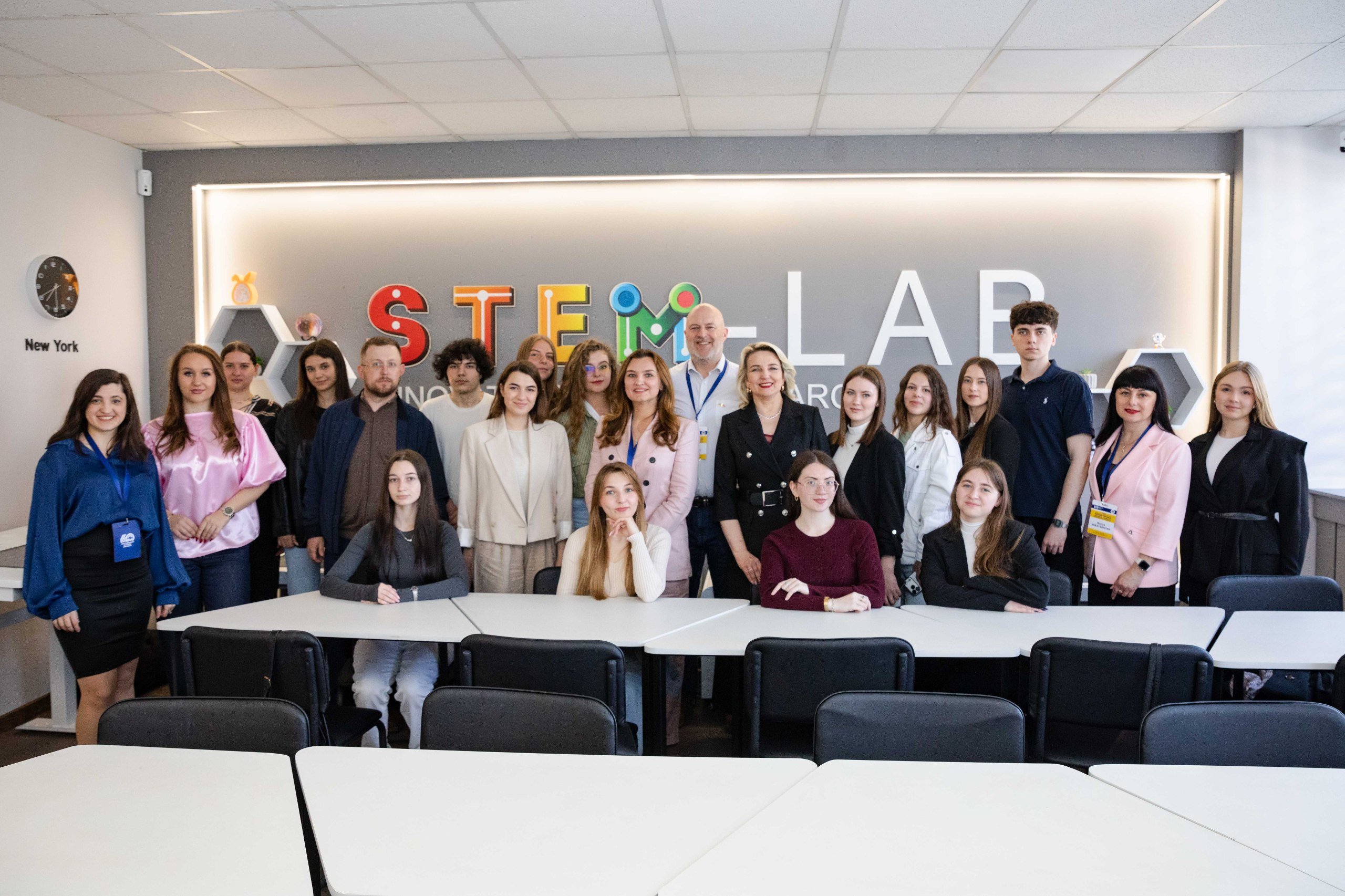
In the afternoon, forum participants continued their work within the discussion panels ‘Geosecurity and the National Resilience of Public Finances’, ‘Innovative FinTech in Digital Transformation: Vision 2035’, ‘Geo-finance in the context of turbulence in the global order’, ‘Accounting and analytical insights into the transformation of the financial landscape amid external threats and internal challenges’, and the workshop ‘Negotiation Club: Simulations of financial decisions and the art of deal-making’.