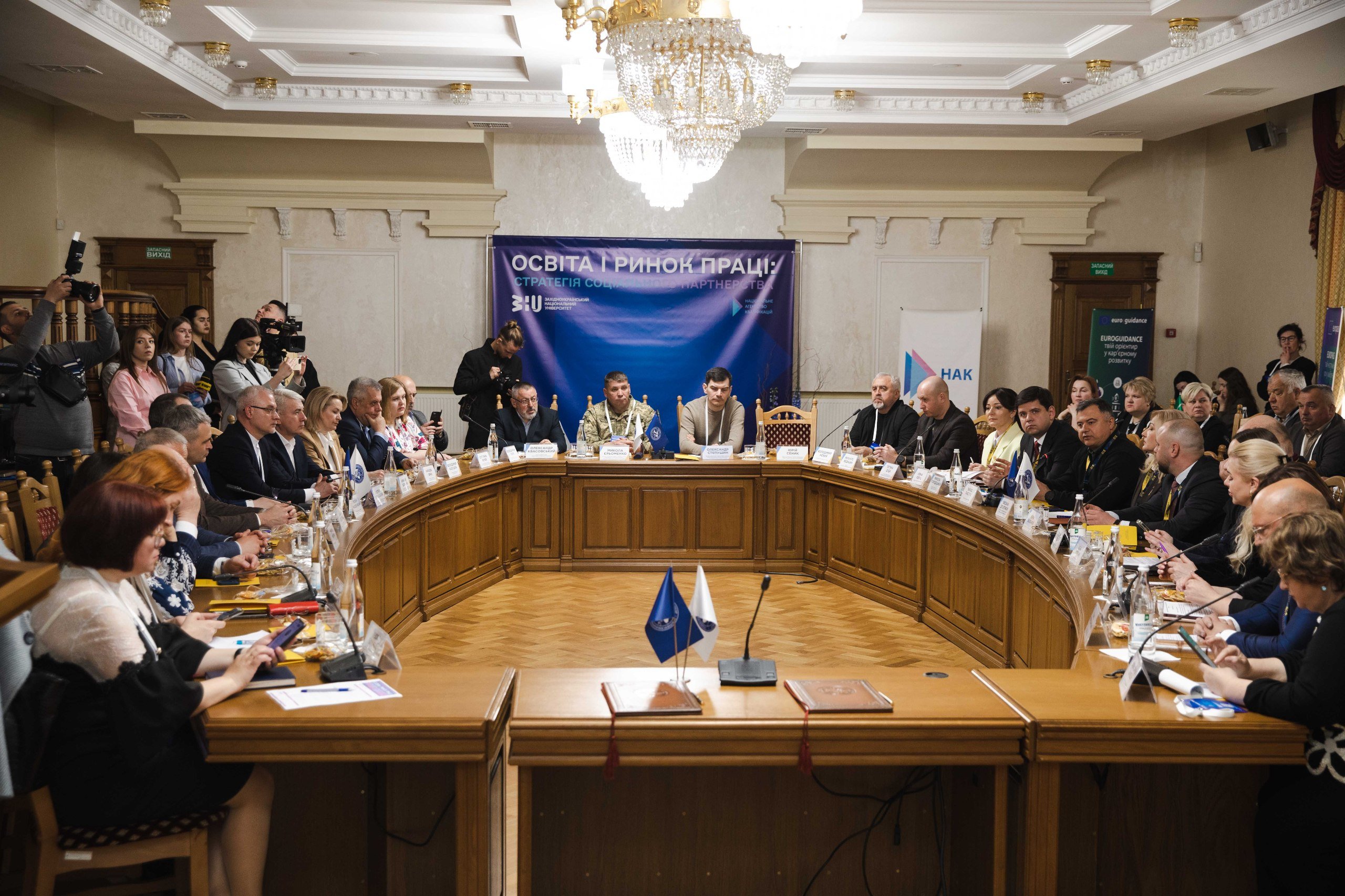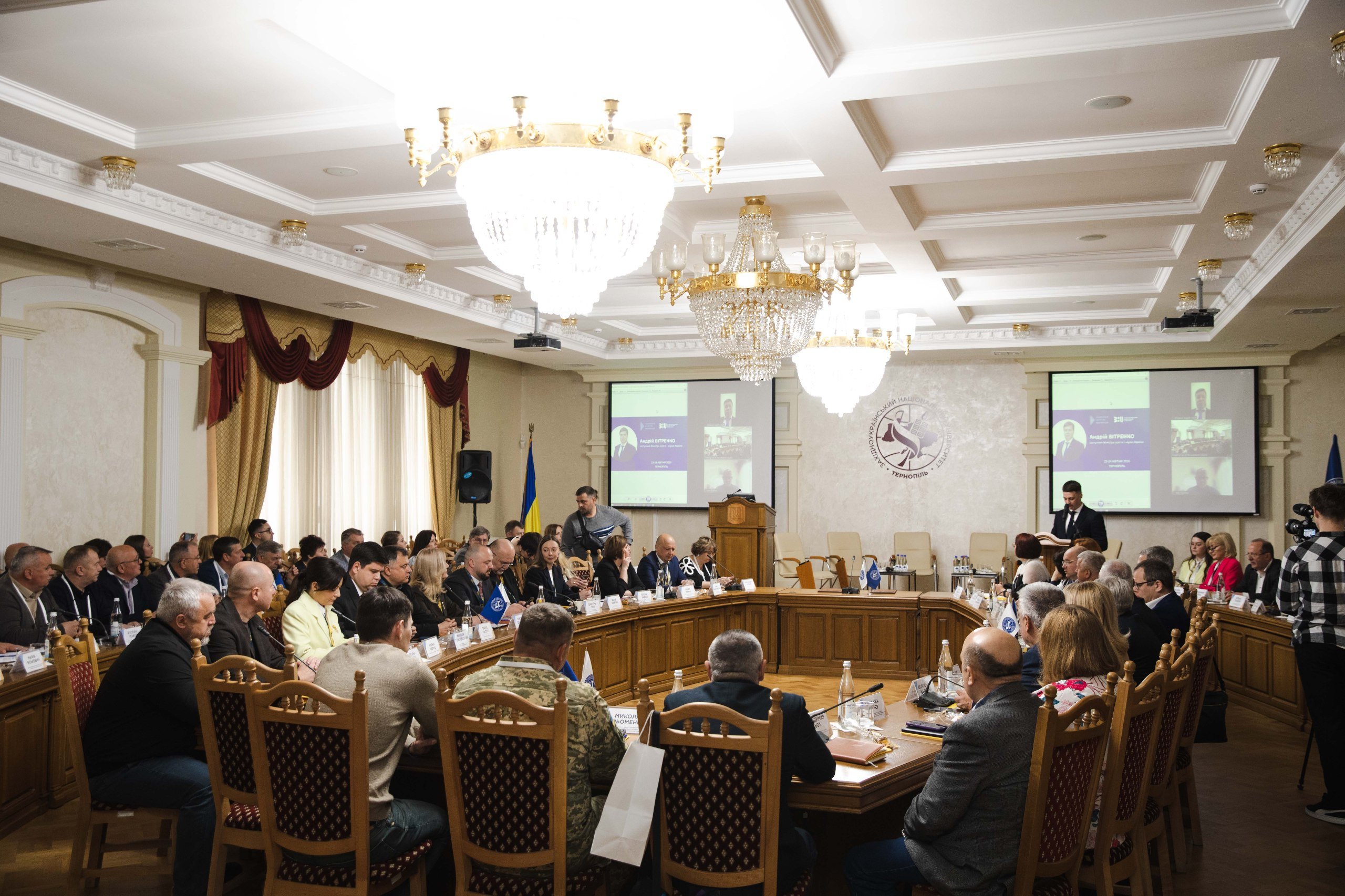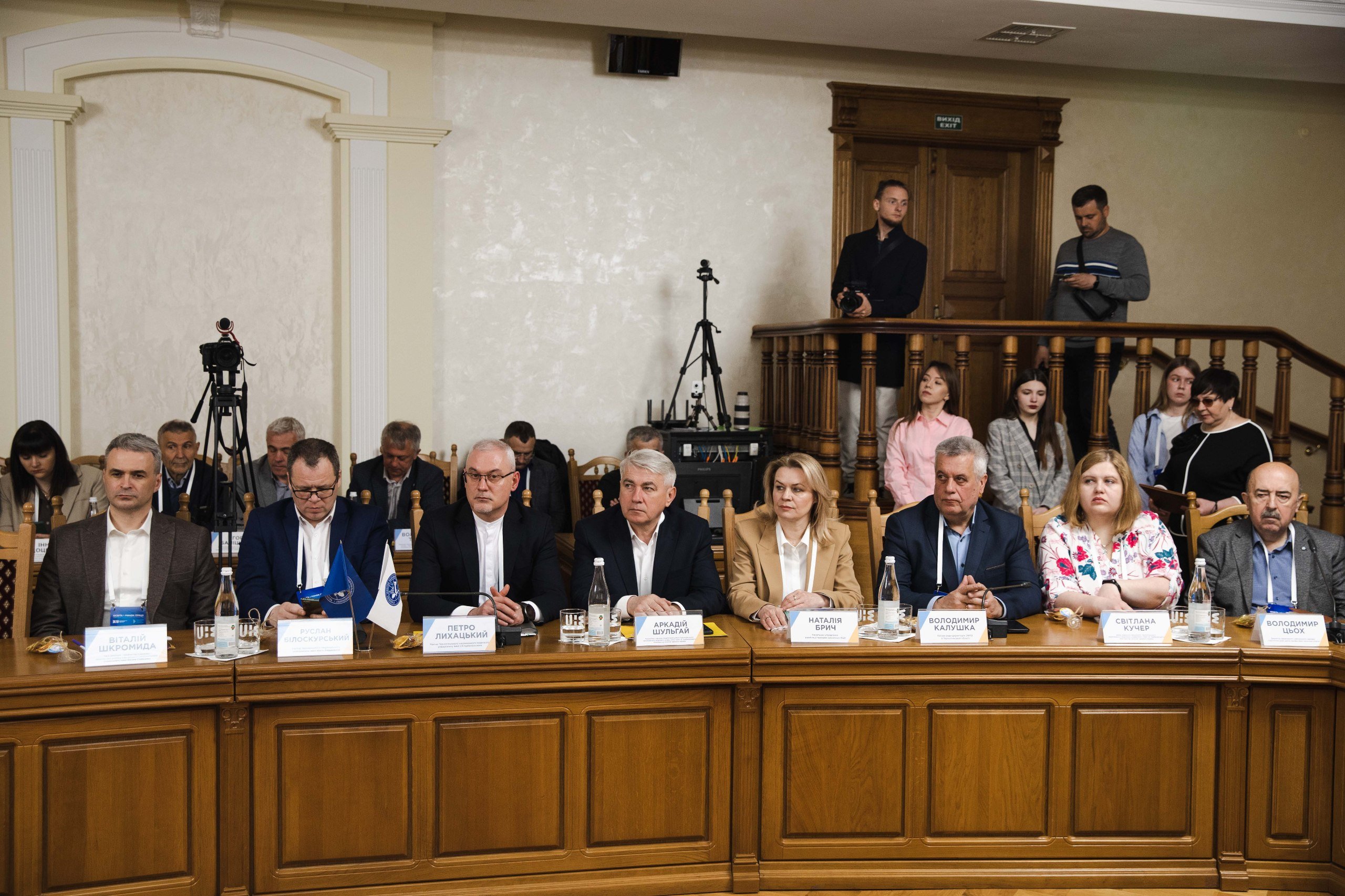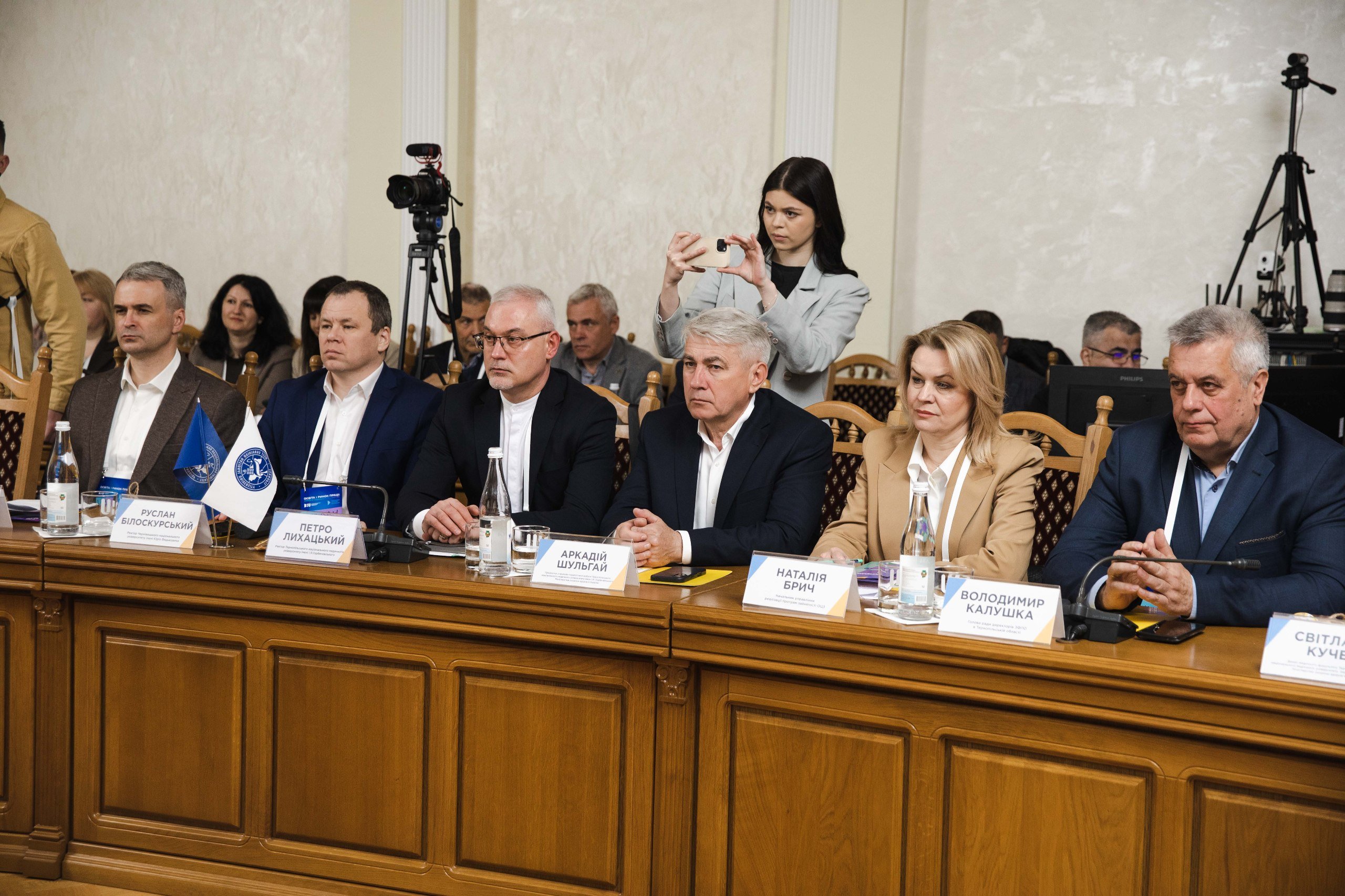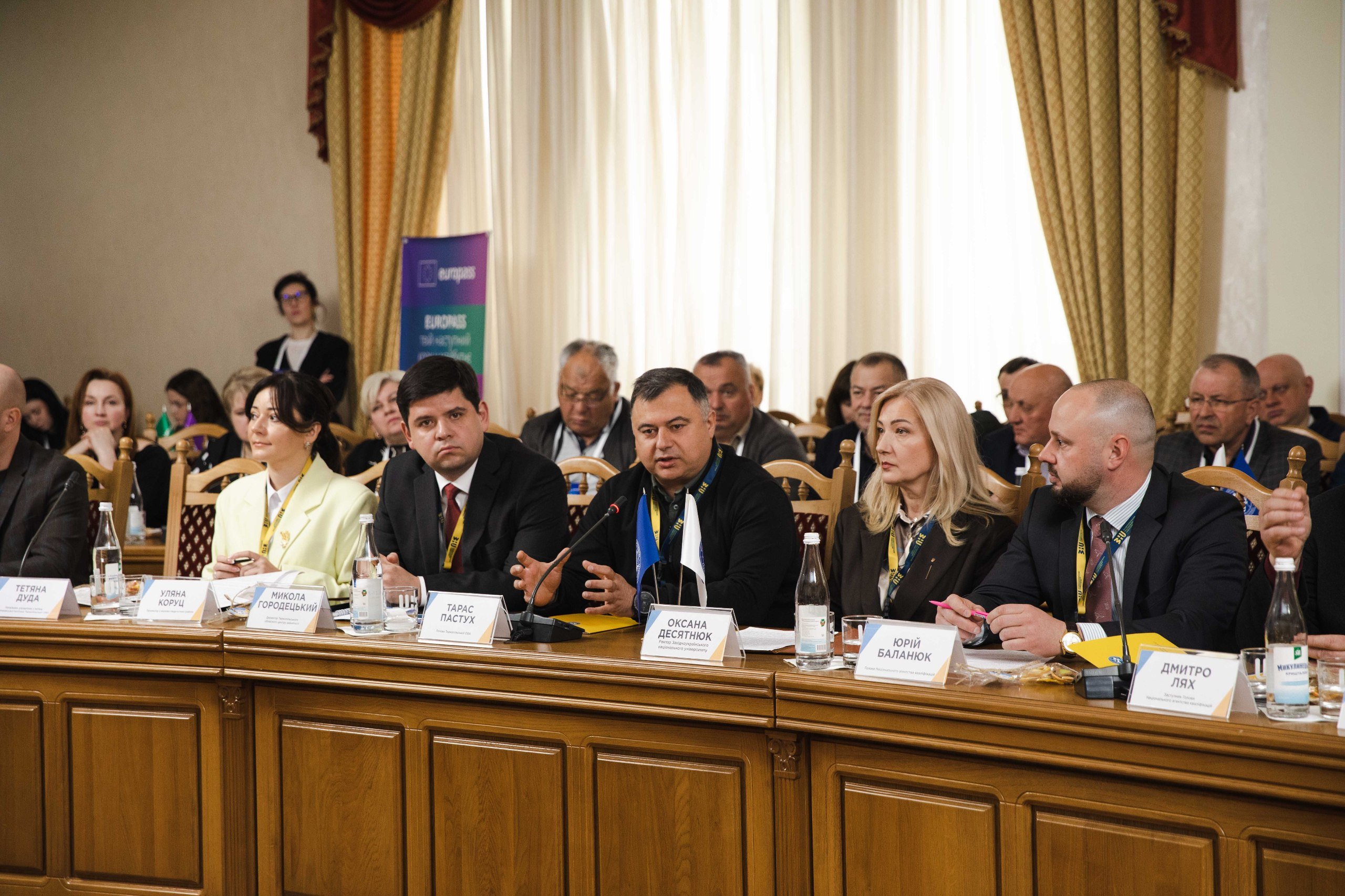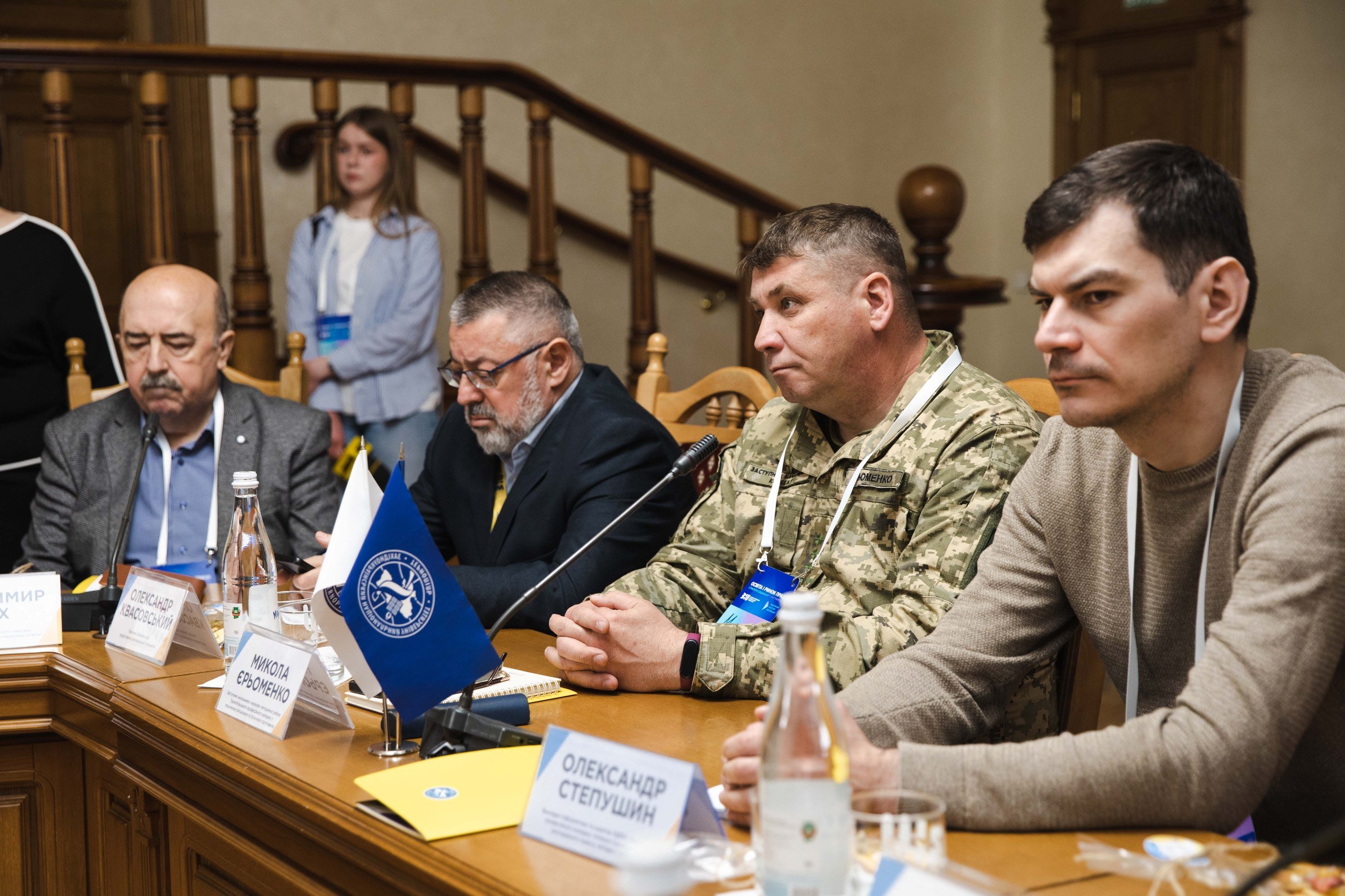
A regional event entitled ‘Education and the Labour Market: A Strategy for Social Partnership’ held at WUNU
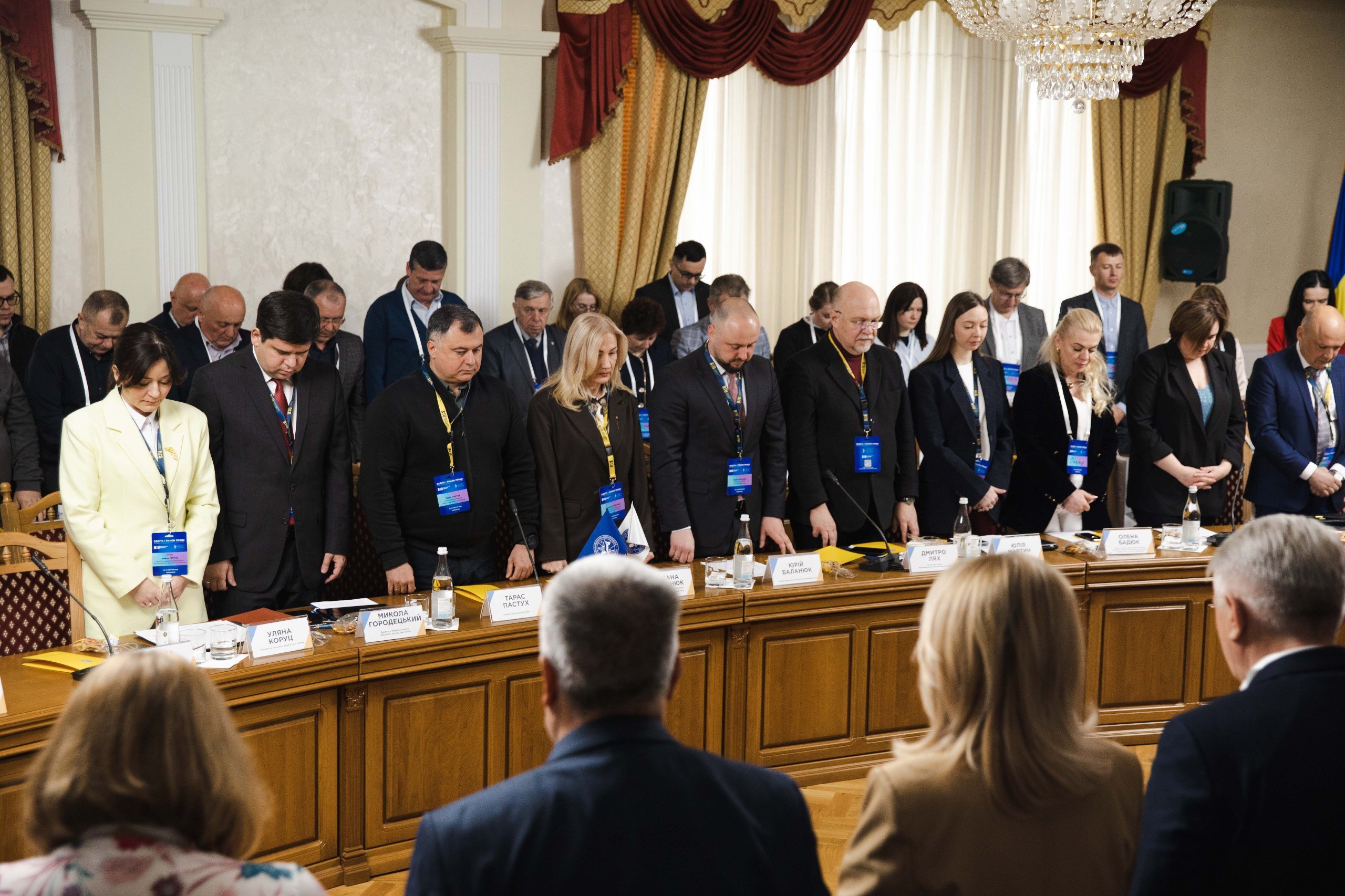
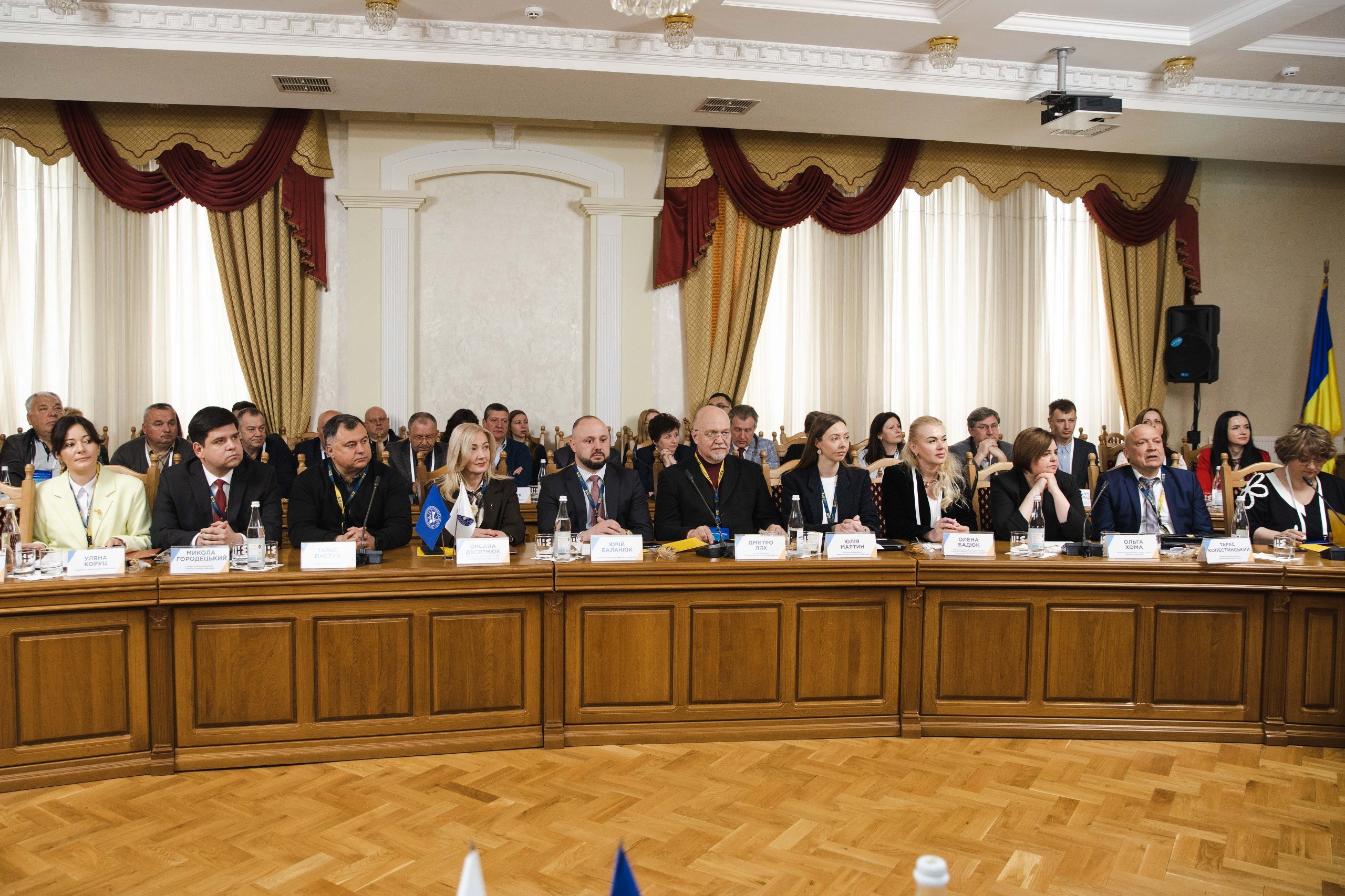
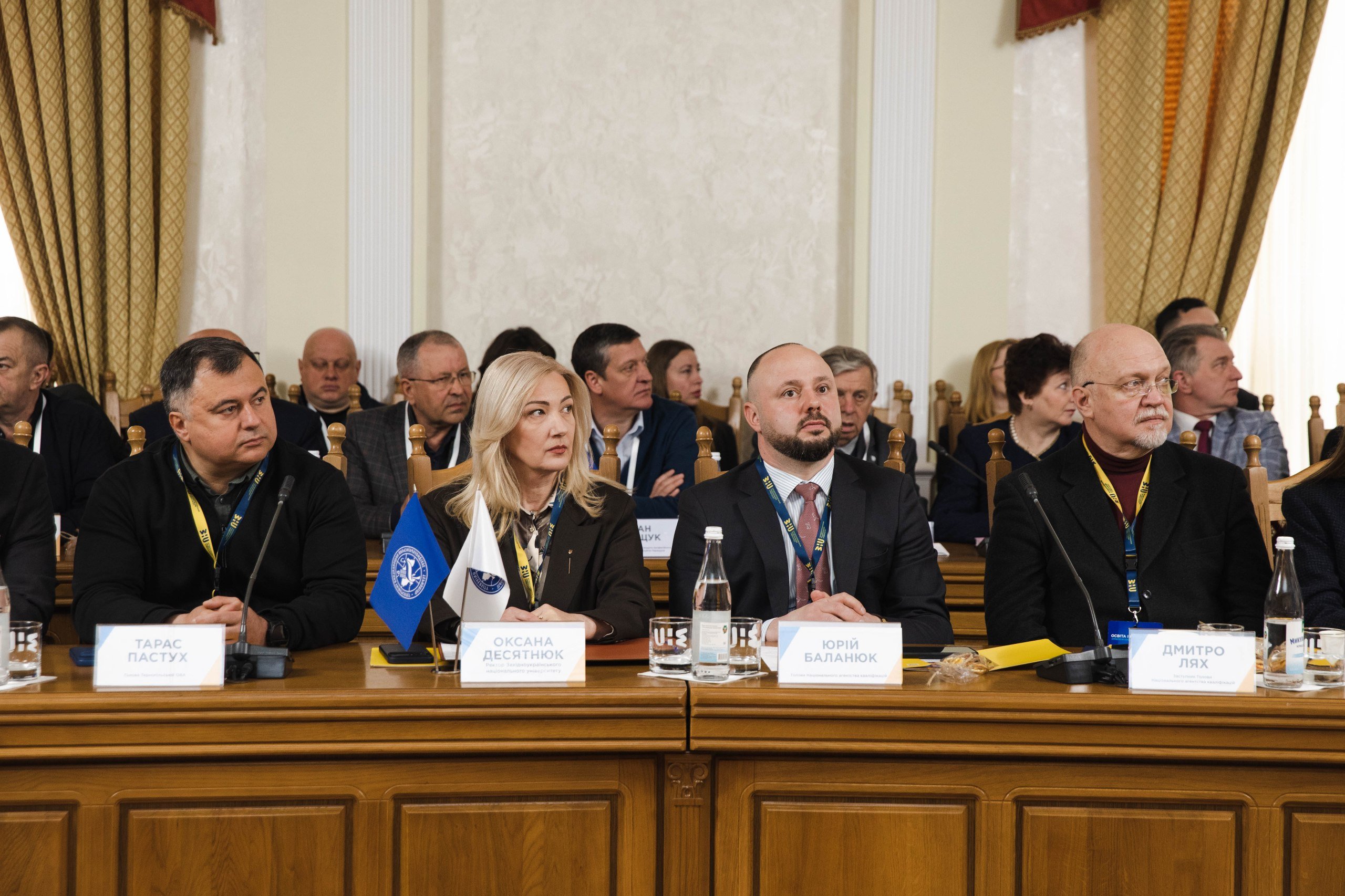
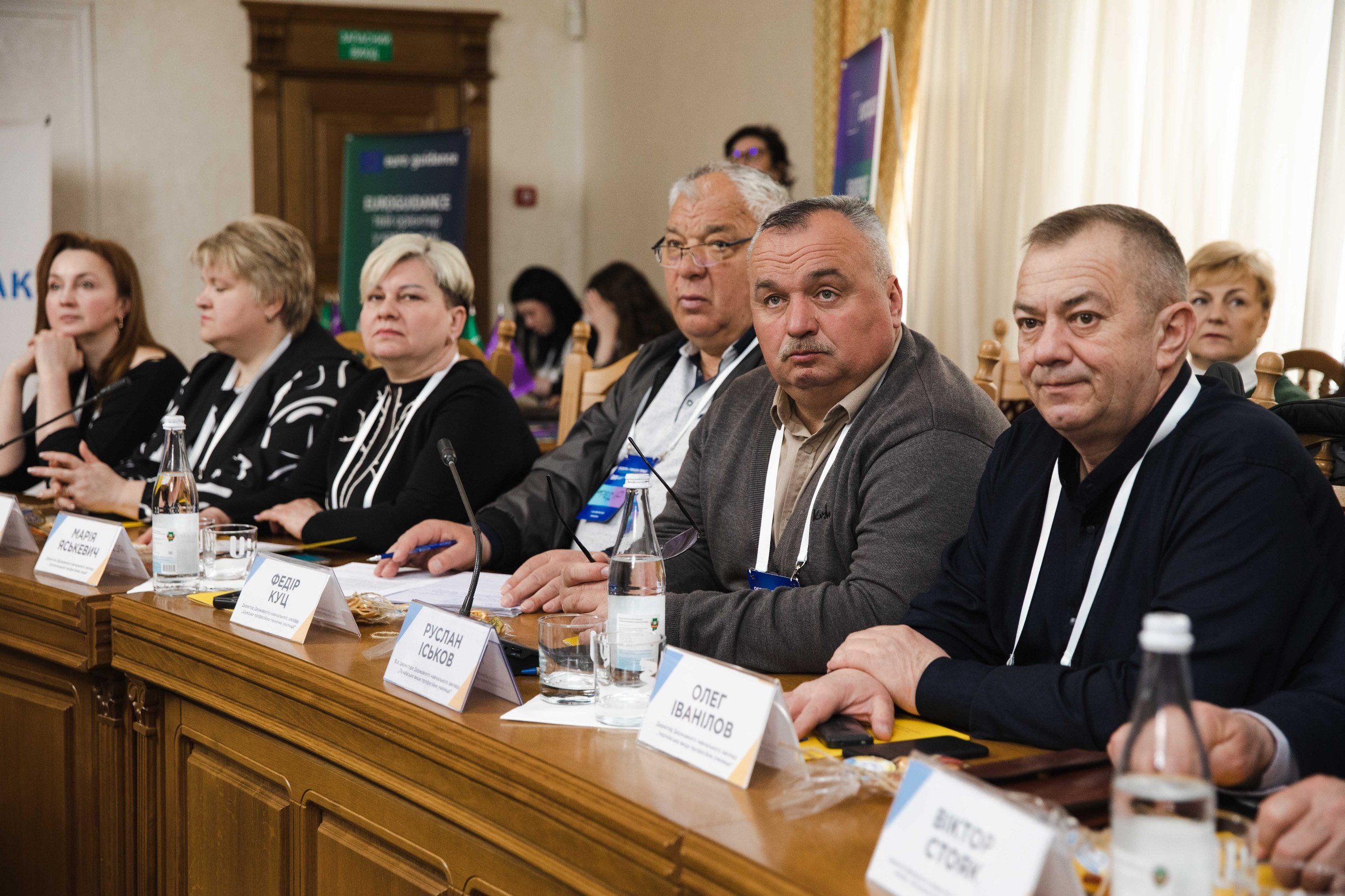
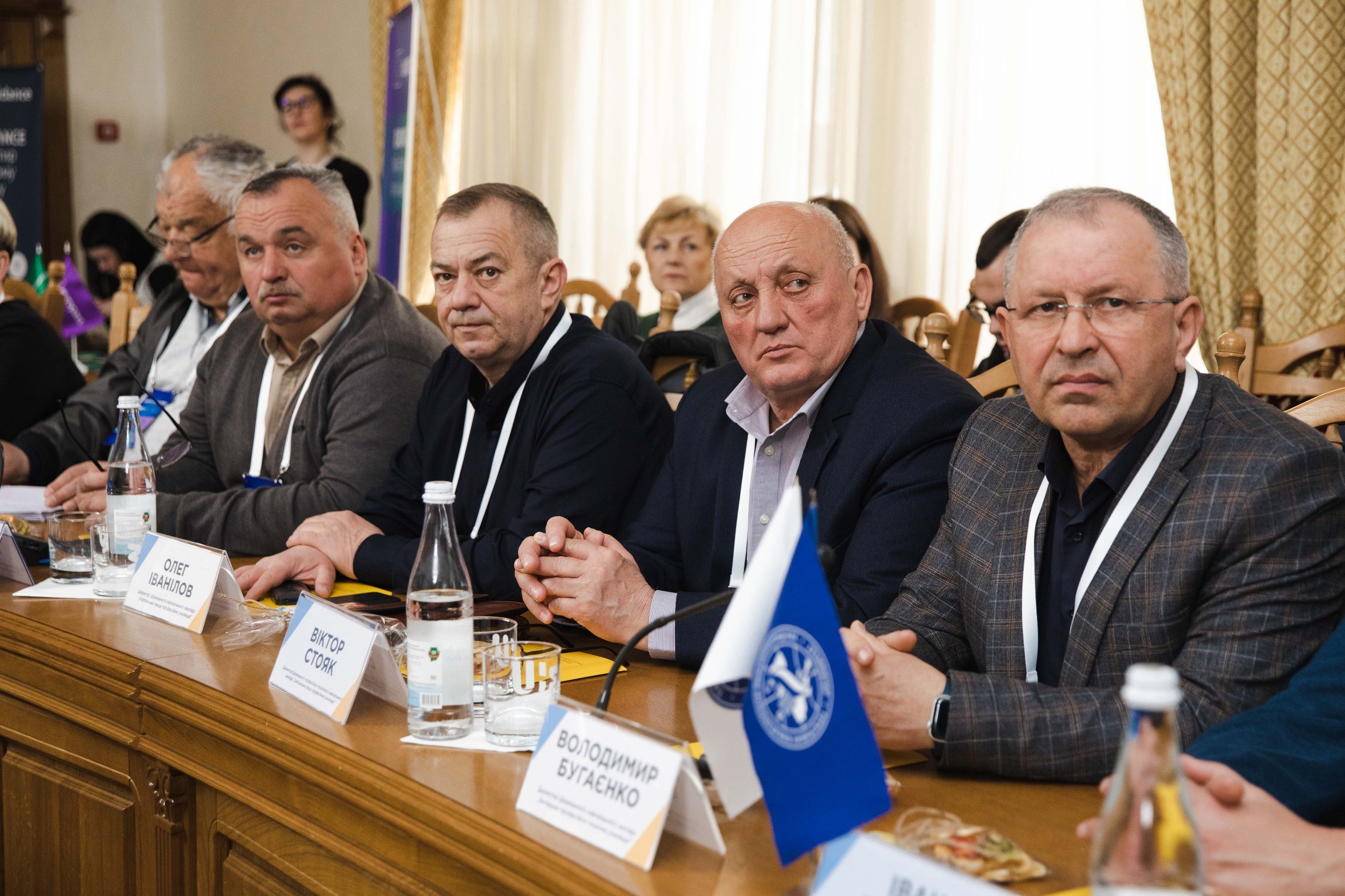
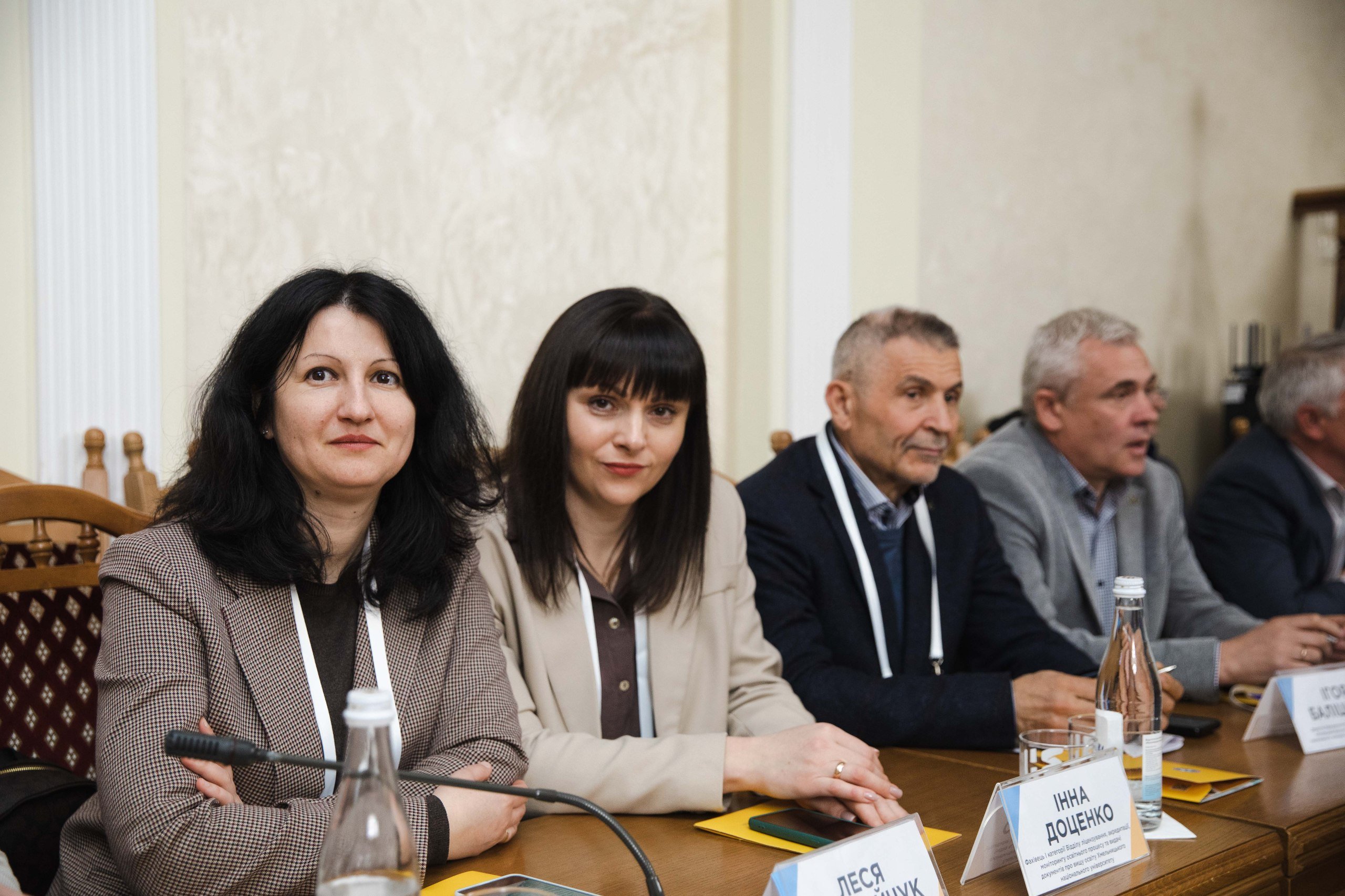
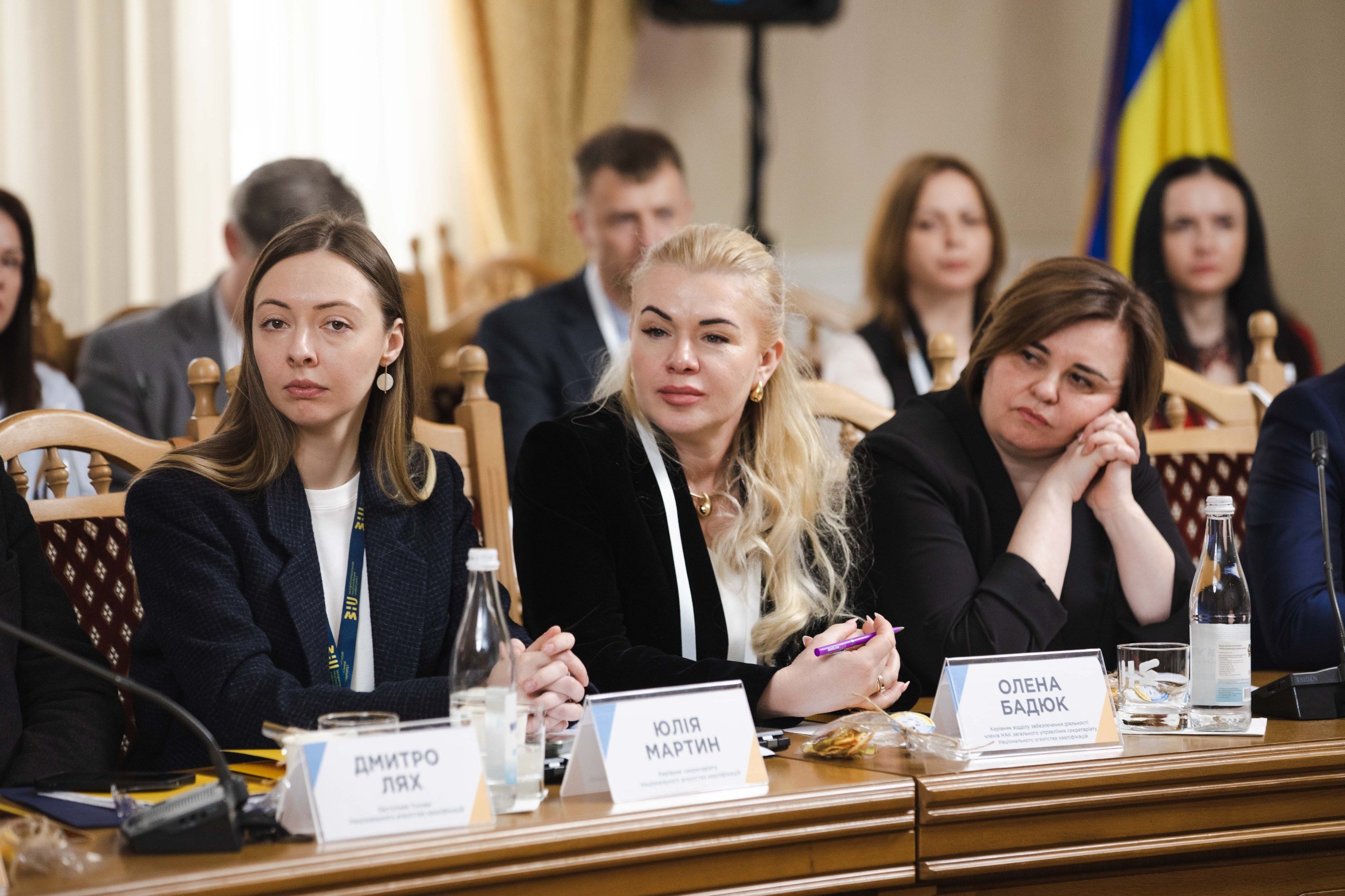
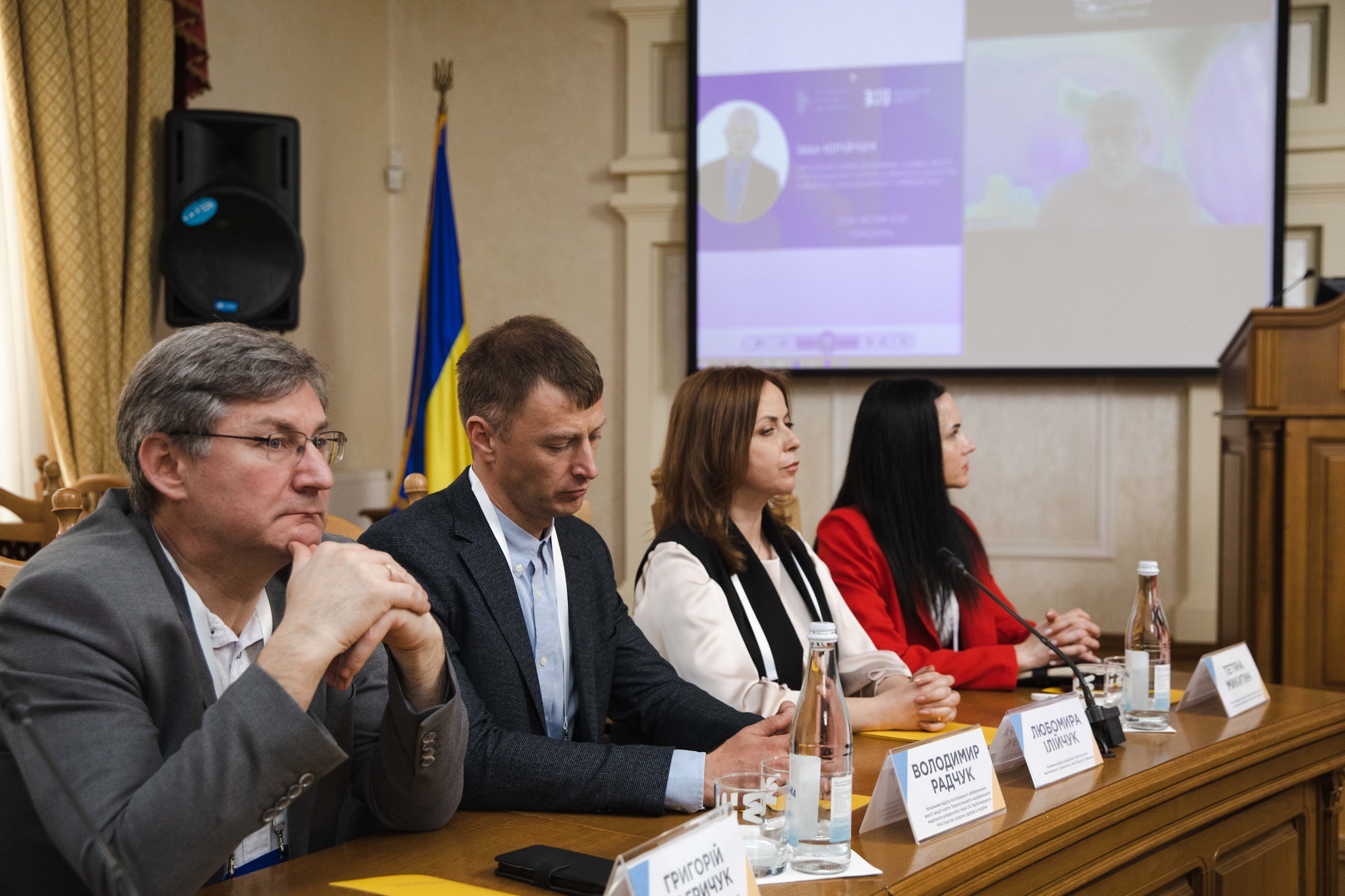
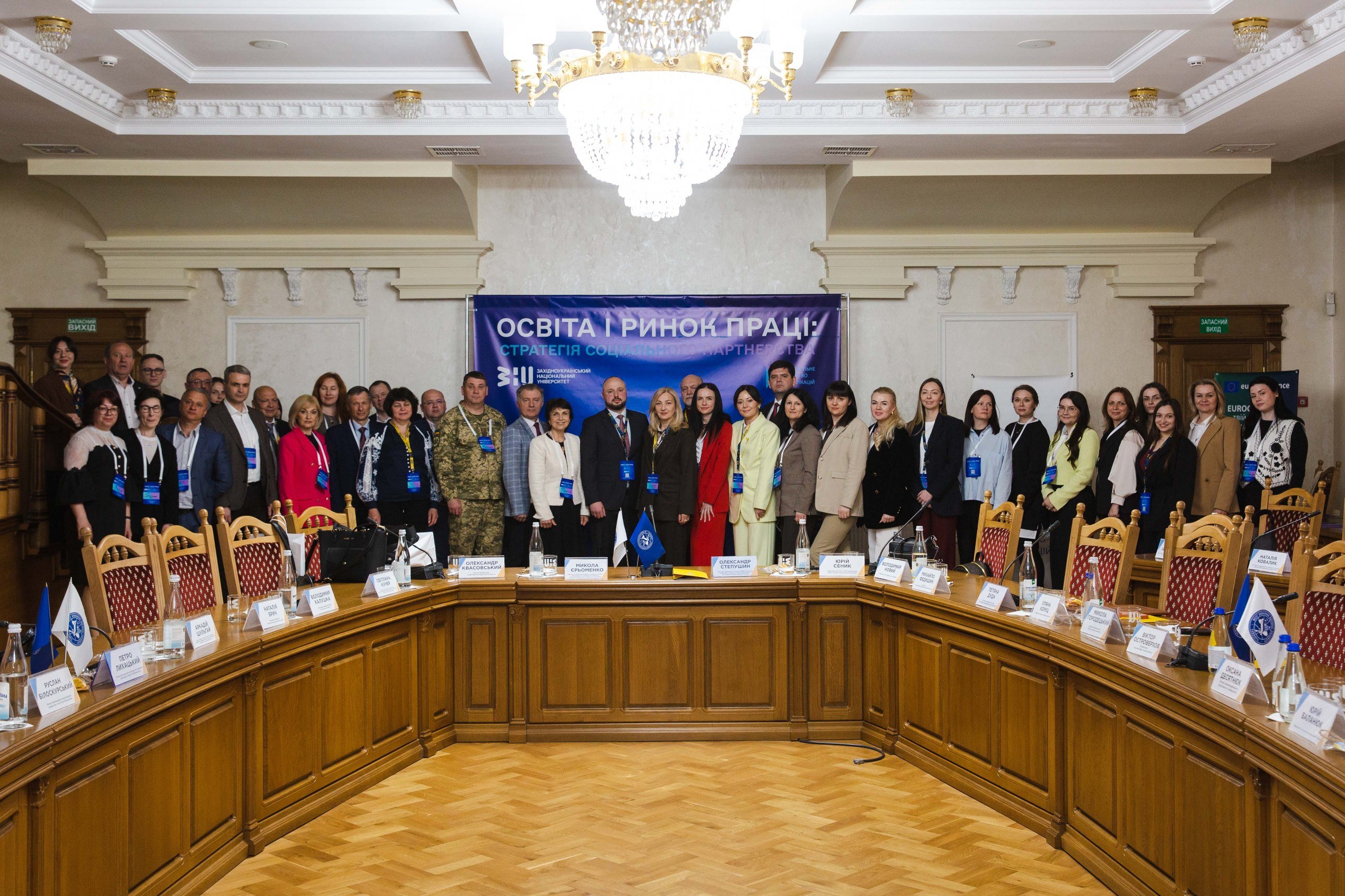 WUNU hosted a regional event entitled ‘Education and the Labour Market: A Strategy for Social Partnership’. The event was organised by the National Qualifications Agency in partnership with West Ukrainian National University. The event brought together representatives of government bodies, the education community, employer associations, education quality institutions, employment centres and businesses to discuss what modern education should look like in order to meet the challenges of the times, the needs of the economy and the expectations of society.
At a time of societal challenges, it is particularly important that education policy, state institutions, the labour market and employers act in a coordinated, responsible and strategic manner. It is a great honour for the WUNU community to welcome those who shape state policies, ensure the quality of educational processes, develop the qualifications system, support the economic environment, and work to ensure that young Ukrainians have real prospects for professional development in their home country.
Andrii Vitrenko, Deputy Minister of Education and Science of Ukraine, addressed the audience: ‘Today we are discussing practice-oriented education. Young people should leave university not only with a degree, but also with a clear understanding of where, how and for what purpose they will apply their skills. In practical terms, this means constant dialogue with employers and the integration of practical components into the learning process. The new Ukrainian education system must be an education of opportunities; an education that does not impose templates but opens up pathways; an education that teaches not only knowledge but also action and creativity. In this context, such a regional summit is extremely important, and I thank its organisers for their attention to the field of education.”
One of the key prerequisites for effective collaboration between the education sector and the economy is a modern qualifications framework that is clear to educational institutions, employers and learners alike. It is this framework that helps to establish transparent career paths, ensure the recognition of skills and align the content of training with the actual needs of the labour market.
Yurii Balaniuk, Head of the National Qualifications Agency, addressed those present: “We have gathered here to find answers to these questions together. In particular, we need to consider whether the qualifications system is working effectively enough, whether it helps employers to define requirements through professional standards, and whether it supports the development of a network of qualifications centres.”
In today’s world, regional development is impossible without the combined efforts of the authorities, the education sector, the business community and civil society. It is at the regional level that it is most clearly evident which specialists the economy needs, which skills are becoming crucial, and which decisions can strengthen the region’s human potential.
Taras Pastukh, Head of the Ternopil Regional State Administration, remarked: ‘Today, when we speak of social partnership between education, business and the state, we must take into account the complex transformations that Ukraine has undergone. At present, the European direction of development remains key, as does the need to meet its requirements. An additional challenge has been the relocation of businesses, which has created demand for professions that were not previously represented in the region. Consequently, one of the priorities is the rapid retraining of workers and the adaptation of educational programmes to the needs of local businesses. At the same time, the war, which has significantly accelerated the pace of innovation, demands even more rapid decisions in the field of workforce training.'
Oksana Desyatnyuk, Rector of WUNU, addressed the guests at the event: “Educational institutions at all levels face a crucial challenge: training highly qualified specialists for Ukraine’s future. In the midst of military and demographic crises, this is a very difficult task. At the same time, educational institutions must adhere to higher education standards, meet accreditation requirements, and train specialists according to appropriate curricula, which cannot be constantly changed. In this context, a gap arises: business needs trained specialists today, and it is not prepared to wait for gradual changes in educational programmes.”
The labour market is sending increasingly clear signals about the need for competent, adaptable, responsible and well-trained professionals. That is precisely why the voice of employers in the dialogue on education is so crucial. Today, the business sector does not simply expect to be supplied with staff; it is prepared to become a training partner.
Taras Kopestynskyi, President of the Ternopil Chamber of Commerce and Industry, emphasised in his address: ‘Today’s discussion is a search for strategic responses to the challenges posed by the war. The role of West Ukrainian National University is critical. It is much more than just an educational institution. WUNU acts as a hub for regional development, a kind of economic magnet that brings together science, entrepreneurship and innovation. Thus, by supporting the university’s development, we are strengthening the region’s economic trajectory, transforming the entrepreneurial energy of our people into the financial stability our country needs. Higher education institutions find themselves in a difficult situation: on the one hand, there are constraints on resources and funding; on the other, there are growing demands regarding the quality of training and the calibre of the teaching staff. Due to the war, education often takes a back seat, yet it is precisely this that shapes the foundation of the future. If the economy is the foundation of today, then education is the guarantee of tomorrow.'
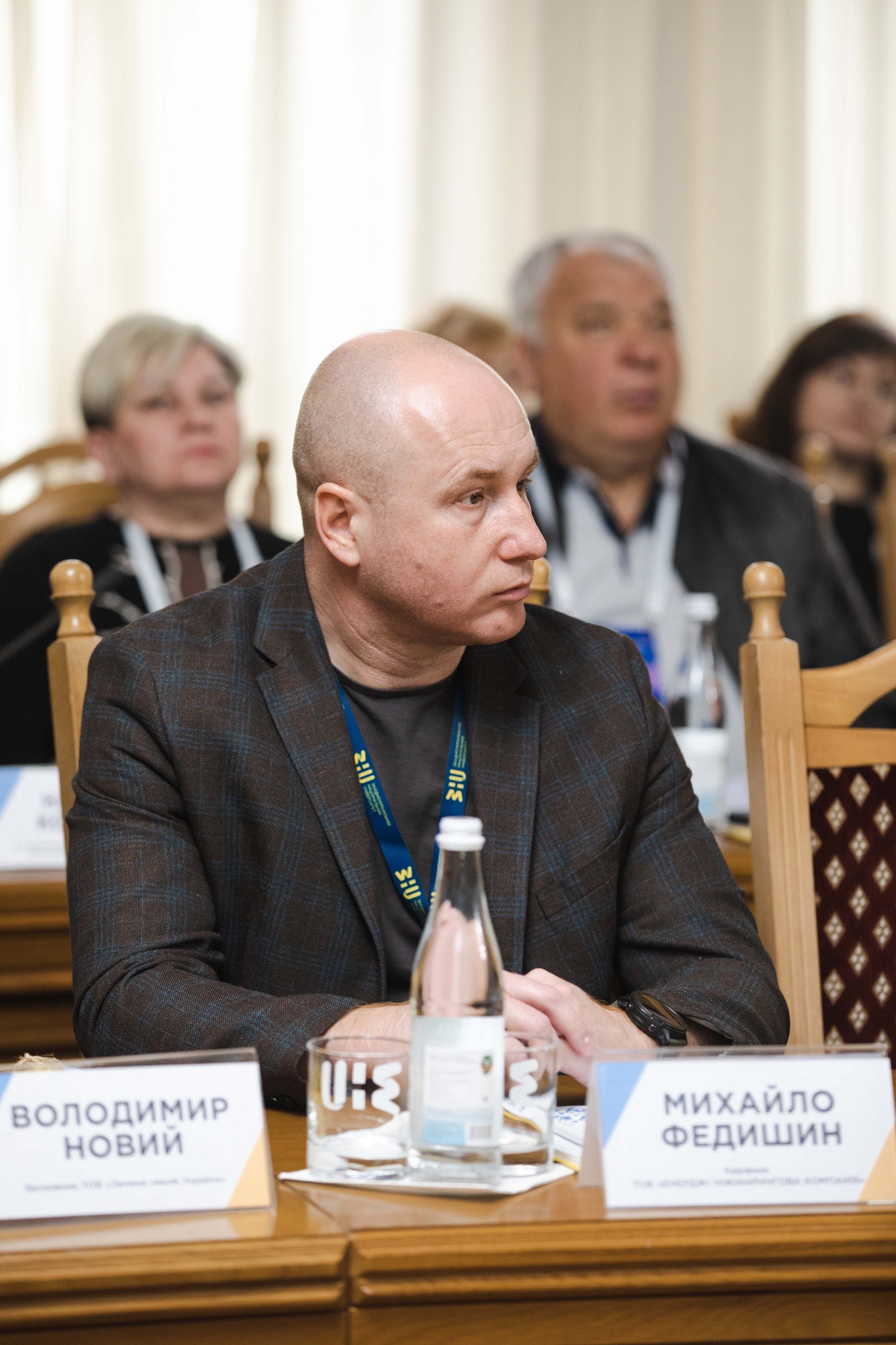
The event comprised two sessions. The first, entitled ‘Professional qualifications in higher education. Does higher education prepare specialists for the economy?’, focused on how to ensure that higher education in Ukraine does not merely award diplomas, but actually ensures that graduates are competitive in the labour market. The first session was moderated by Yuliia Martyn, Head of the Secretariat of the National Agency for Qualifications. Speakers: Oksana Desyatnyuk, Rector of WUNU; Olha Khoma, Director of the Department of Education and Science of the Ternopil Regional Military Administration; Volodymyr Zhezhukha, Vice-Rector of Lviv Polytechnic National University; Dmytro Lyakh, Deputy Head of the National Agency for Qualifications; Mykola Horodetskyi, Director of the Ternopil Regional Employment Centre; and Mykhailo Fedyshyn, Head of ENERGY ENGINEERING COMPANY LLC.
During a lively discussion, participants addressed the issue of prioritising the number of professions over the number of standards, engagement with educational institutions, and the involvement of agencies in the review and development of educational programmes and professional standards. They also discussed trends in the development of priority sectors of the economy.
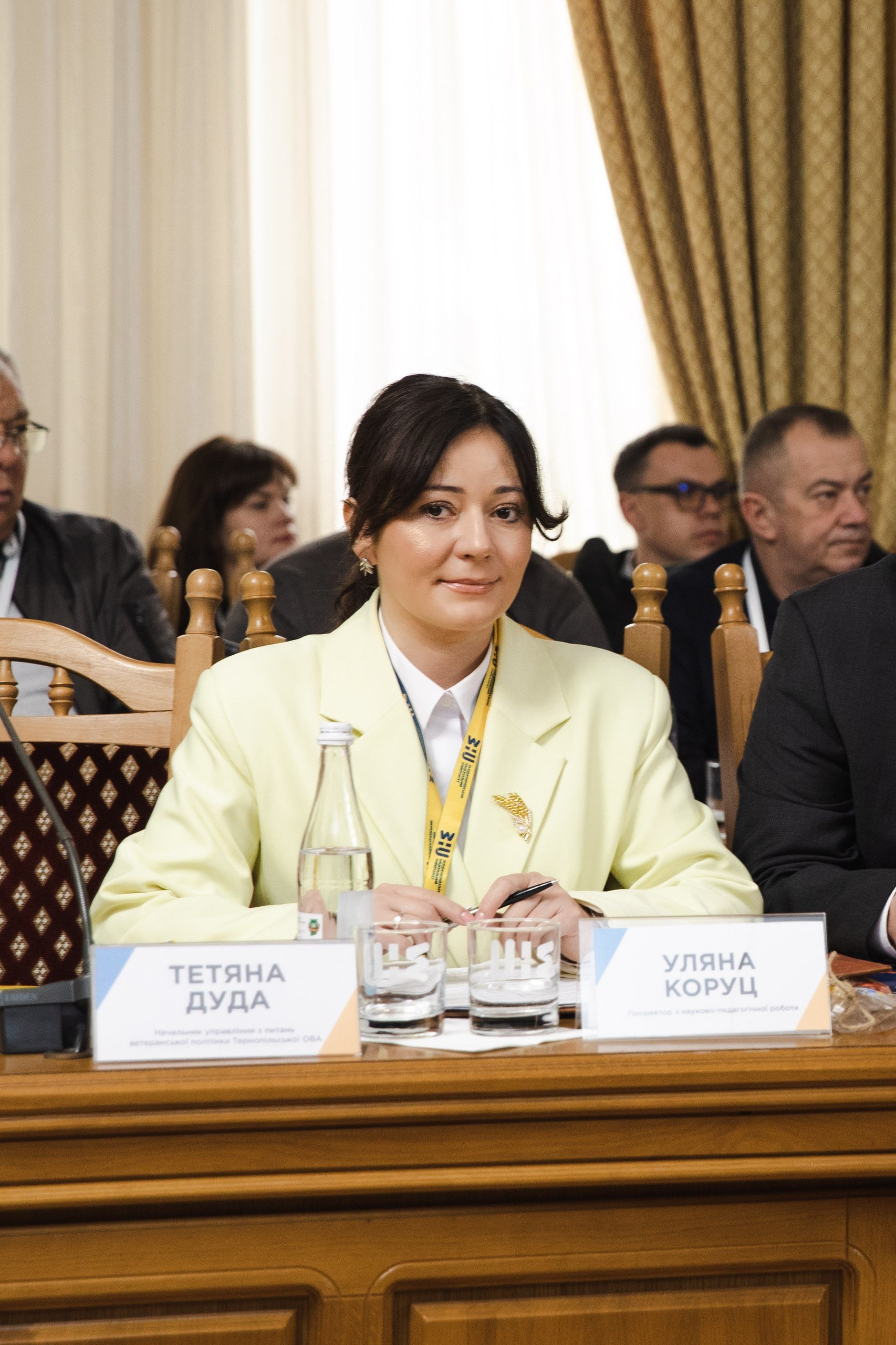
The second session, ‘Education beyond the classroom: a piece of paper or knowledge and skills?’, was moderated by Yurii Balaniuk, Head of the National Qualifications Agency. Speakers: Uliana Koruts – Vice-Rector for Academic Affairs and Research at West Ukrainian National University; Taras Kopestynskyi – President of the Ternopil Chamber of Commerce and Industry; Tetiana Duda – Head of the Department for Veterans’ Policy at the Ternopil Regional Military Administration; Tetiana Melnychuk – Head of the Qualifications Centre at the Lviv Professional College of Hotel, Tourism and Restaurant Services, college lecturer, representative of the veterans’ community, Yurii Senyk – Head of the Physical and Chemical Laboratory at PJSC ‘Ternopil Milk Plant’.
The discussion focused on why, despite the active implementation of professional standards, employers still frequently claim that graduates do not meet the needs of the labour market; whether the situation where professional qualifications evolve faster than educational programmes are updated poses a risk to universities; how the National Qualifications Agency plans to address the lack of professional standards for new professions, particularly in the fields of IT, AI and the creative economy; whether the current qualifications system creates an additional bureaucratic burden for educational institutions rather than genuinely improving the quality of training; what mechanisms the National Qualifications Agency has to influence employers so that they do not merely criticise education but actively participate in shaping professional standards; whether the Ukrainian qualifications system is ready for the widespread recognition of non-formal education outcomes, and how to prevent the formal ‘stamping’ of certificates without genuine competencies.
Further topics included the criteria for evaluating the effectiveness of qualification centres two to three years after their full launch; how to avoid a situation where professional standards become outdated even before they are fully integrated into educational programmes; whether the National Qualifications Framework provides a mechanism for rapid response to the labour needs of regional economies, particularly for regions such as Ternopil; what is currently the greatest obstacle to the effective integration of the Ukrainian qualifications system into the European area — the regulatory framework, institutional readiness or a lack of practical experience; whether the introduction of professional standards addresses the mismatch between education and the labour market, which must be taken into account first and foremost when developing professional standards, given the large number of stakeholders involved: academics, employers, government bodies and other entities; whether the awarding of professional qualifications will become a direct basis for differentiating workers’ wages.
As part of the regional event, a memorandum of cooperation was also signed between the National Qualifications Agency and West Ukrainian National University.
Every opinion expressed today is a contribution to our shared endeavour: to create a model of education that not only teaches but also paves the way for professional development. This Memorandum confirms our shared commitment to developing social partnership, establishing a competence-based approach in education, supporting professional qualifications, and creating new opportunities for learners, employers and all those involved in the education process.