A training session on Braille entitled ‘Inclusivity as the New Norm’ was held at the B. Havrylyshyn Institute of International Relations
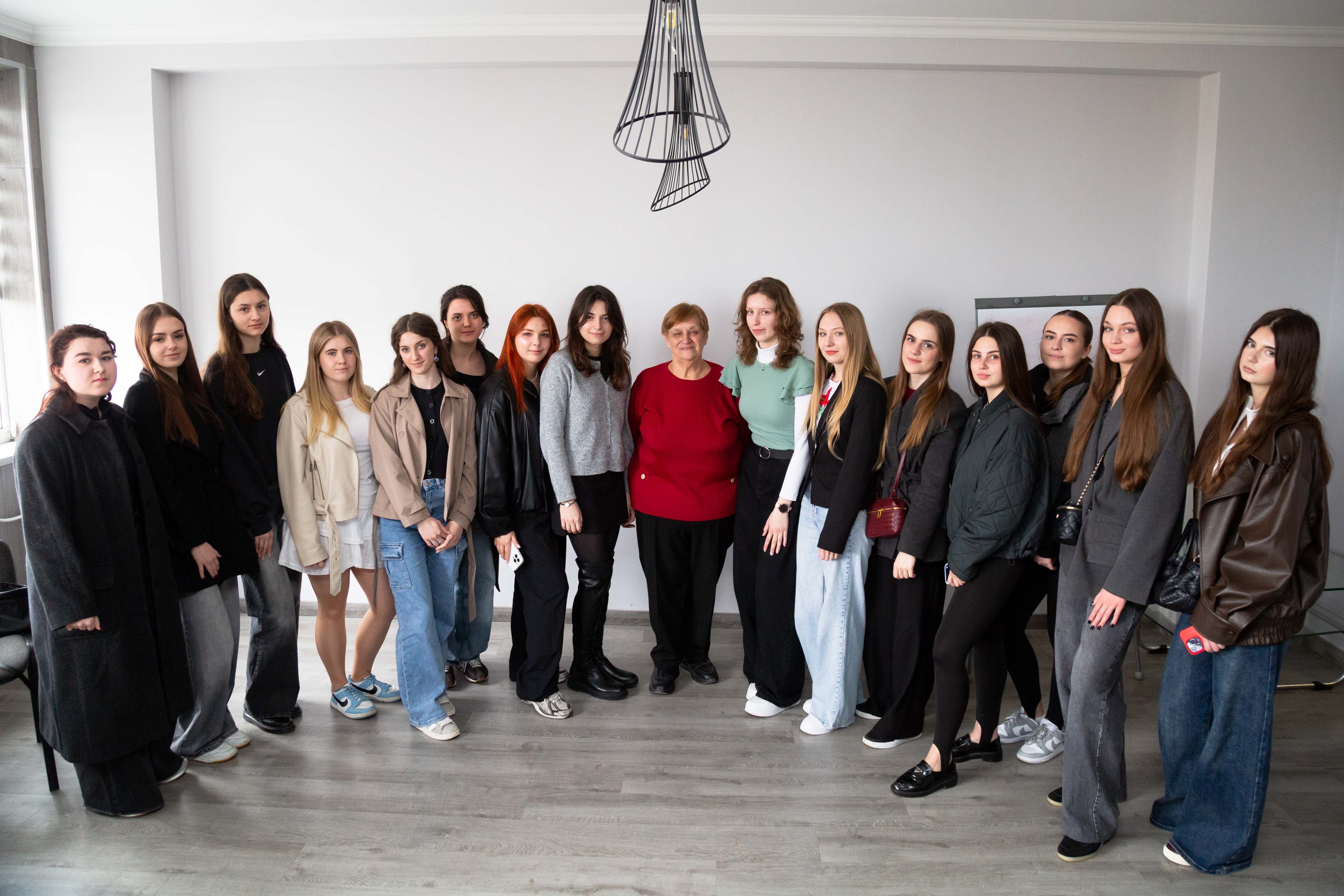 B. Havrylyshyn Institute of International Relations of West Ukrainian National University hosted an event that goes beyond the traditional educational process whilst simultaneously shaping a new dimension of the academic environment. This was a training session dedicated to learning Braille – a tool that transforms not only the way we communicate, but also our very understanding of equality in society.
In the context of today’s challenges, the issue of accessibility is ceasing to be an optional component and is gradually becoming a systemic imperative. That is precisely why proficiency in reading and writing Braille today is not merely a matter of skills, but of a new ethic of interaction, where accessibility becomes a fundamental characteristic of the environment. And in this sense, West Ukrainian National University demonstrates consistency and strategic vision: signs with dual numbering for lecture theatres are already in use in the academic buildings, where Braille is used alongside traditional labelling.
It is worth noting that this event did not arise spontaneously. It is a logical continuation of the wave of interest in the topic of inclusivity that emerged at the institute back in the spring of 2025 following a sign language training session. It was then that the student council demonstrated that today’s youth not only profess the values of equality but also strive to put them into practice. This momentum was taken up by a team of student activists from the B. Havrylyshyn Institute of International Relations, who initiated this new event.
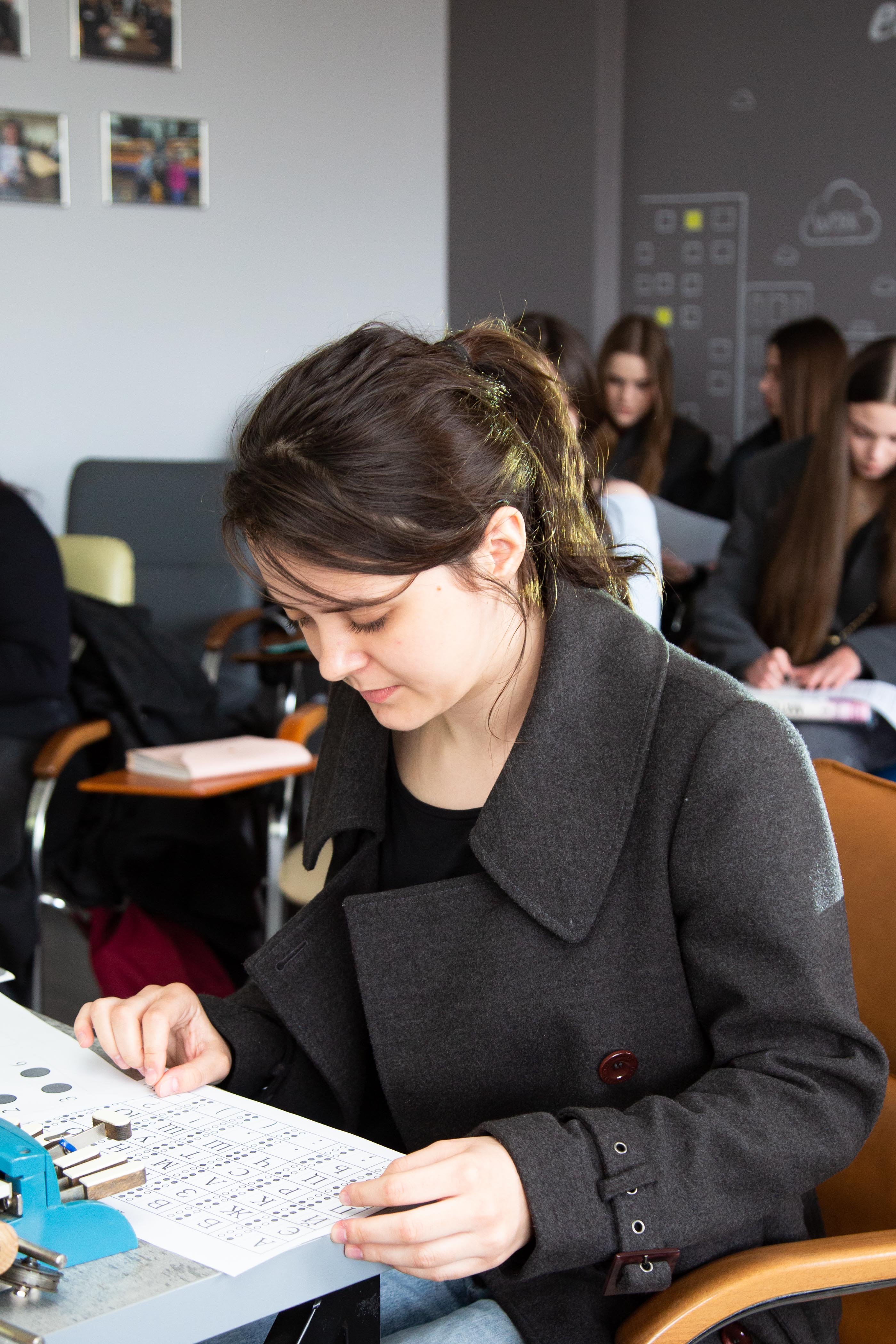
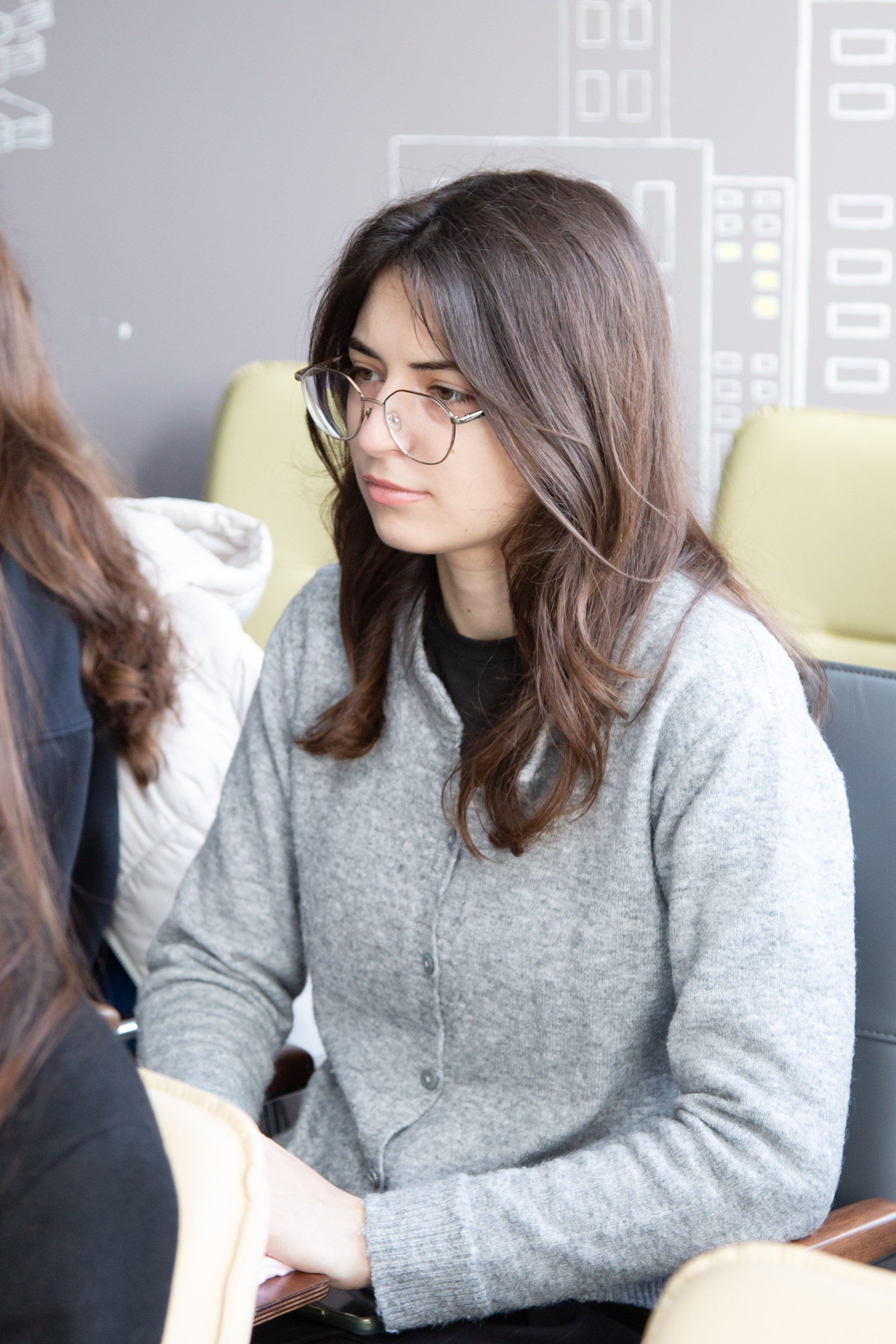
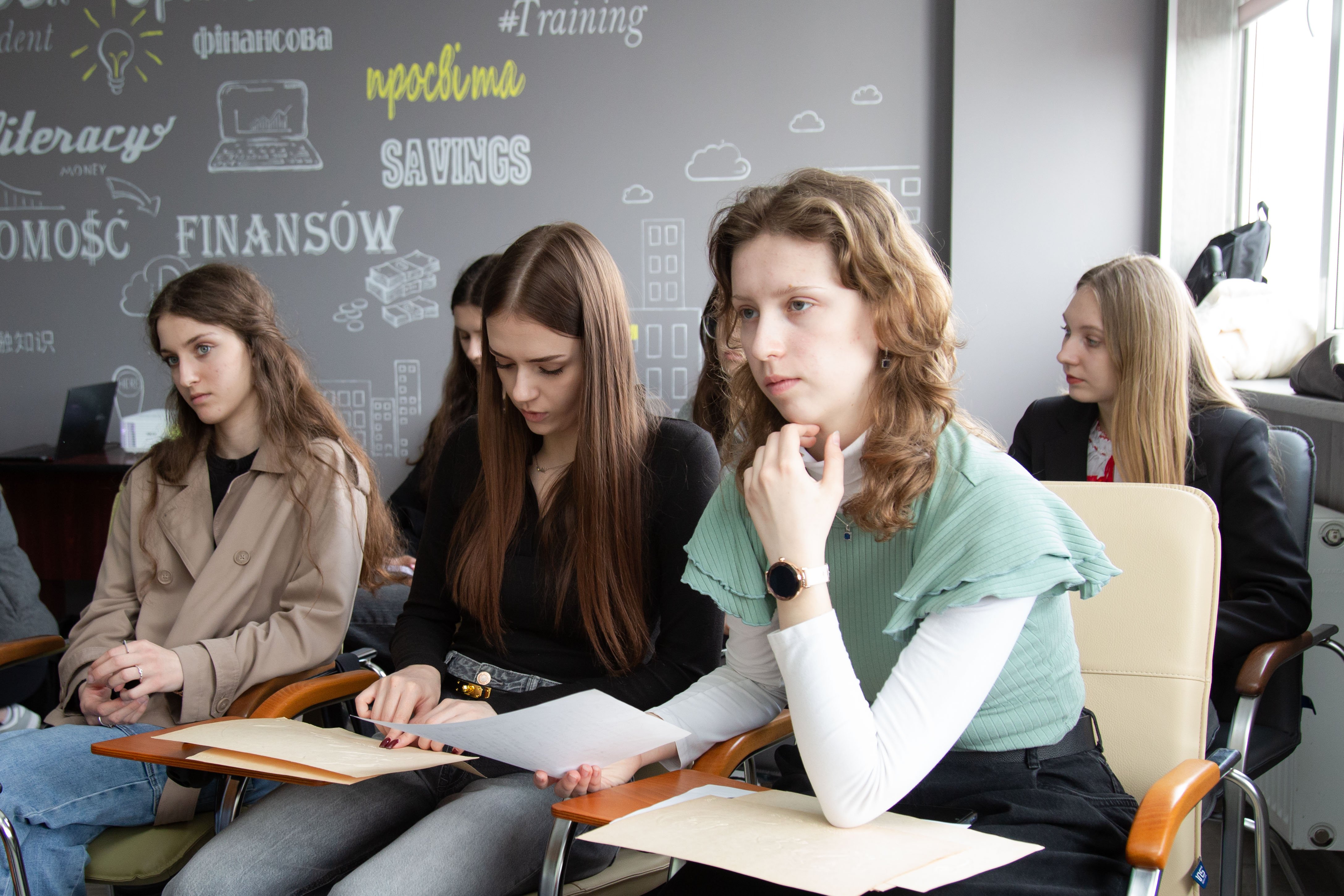
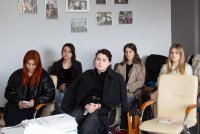
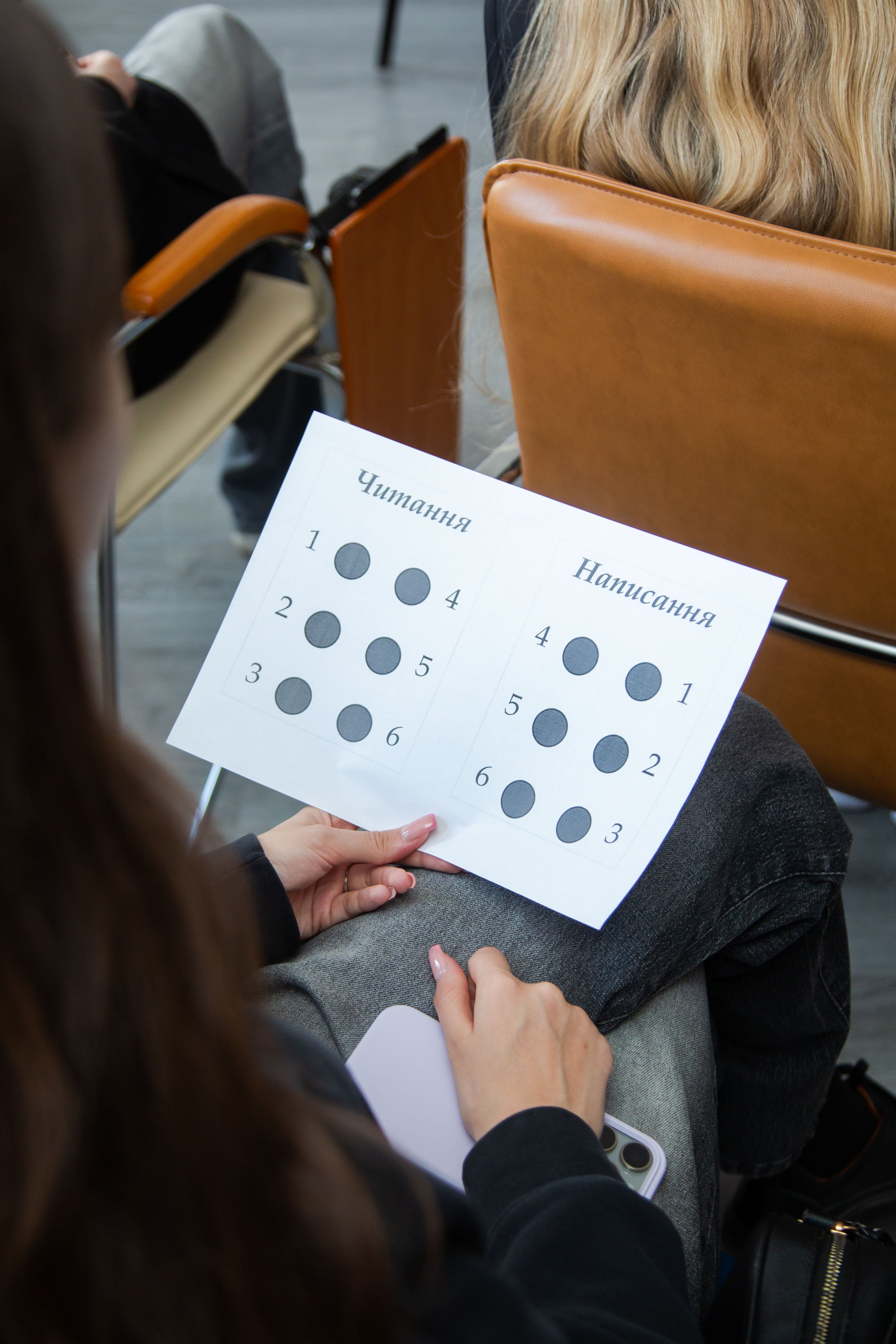
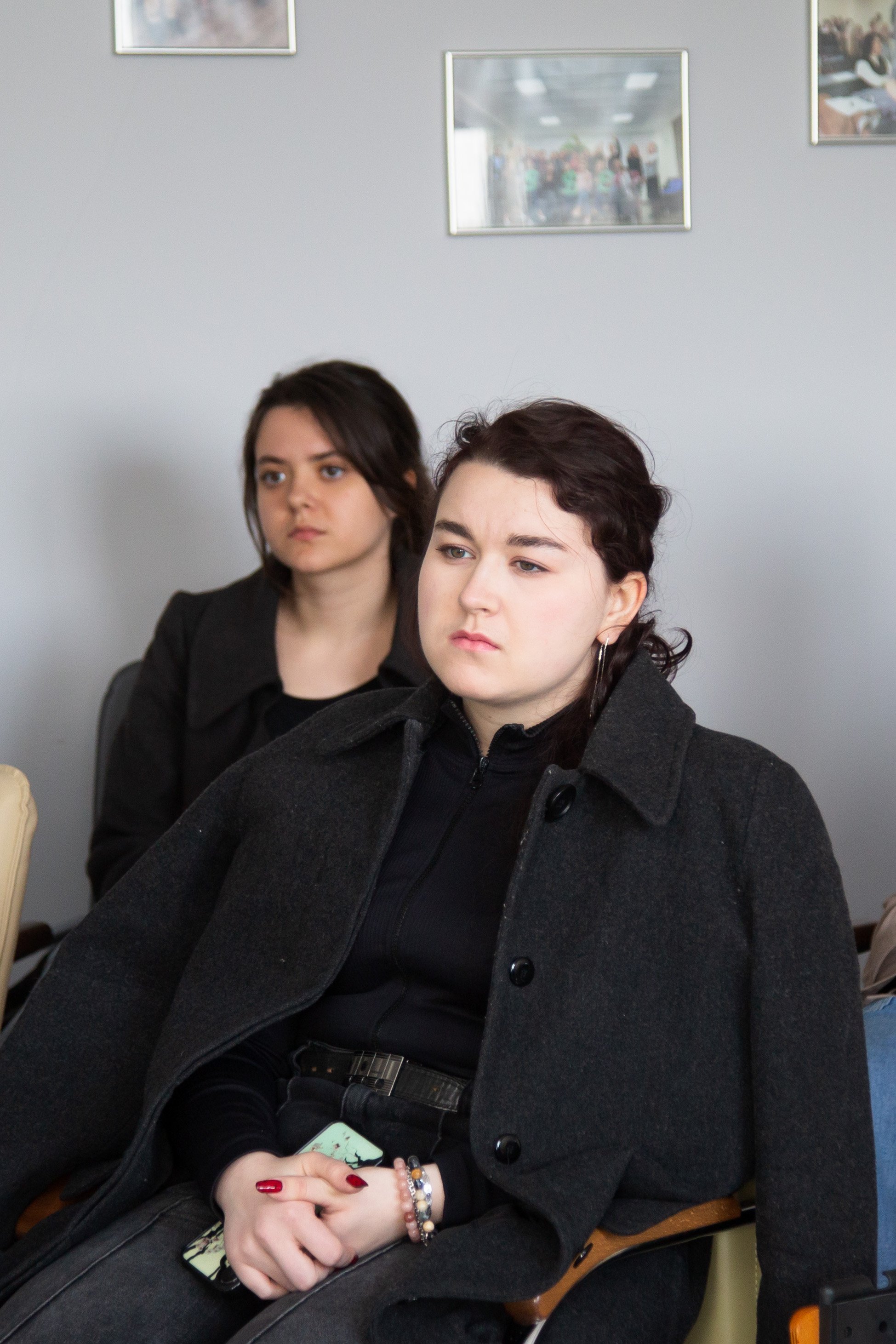
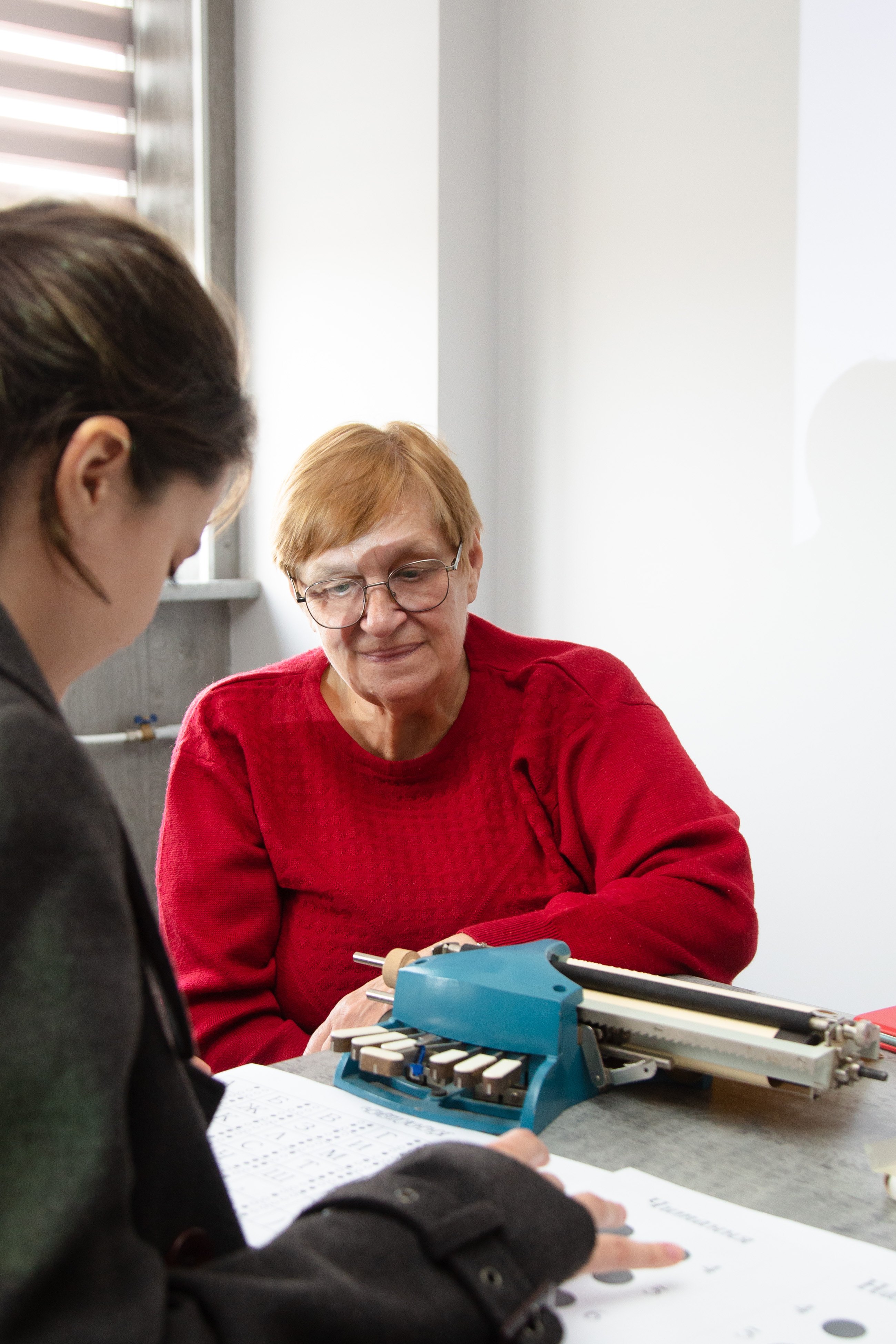
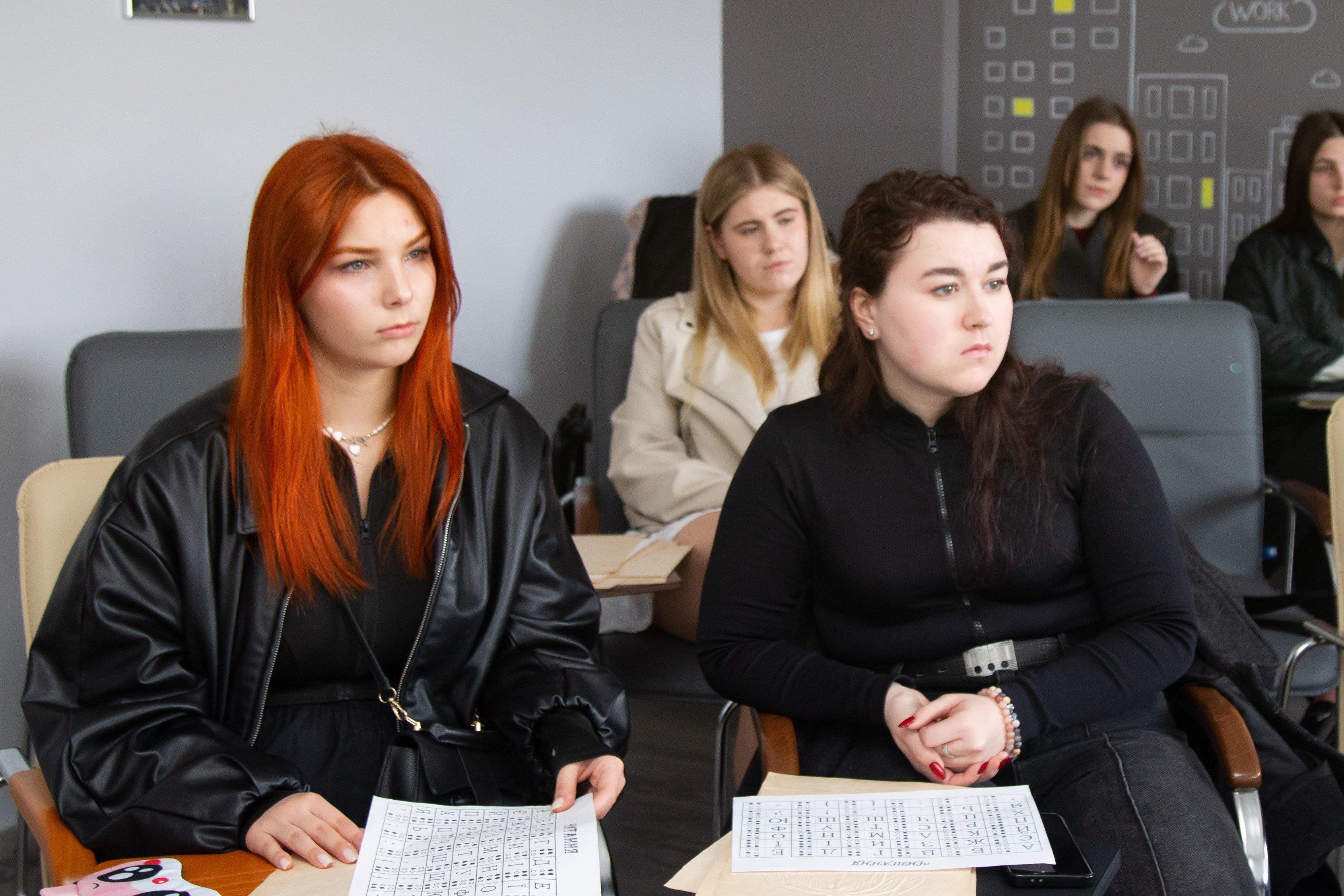
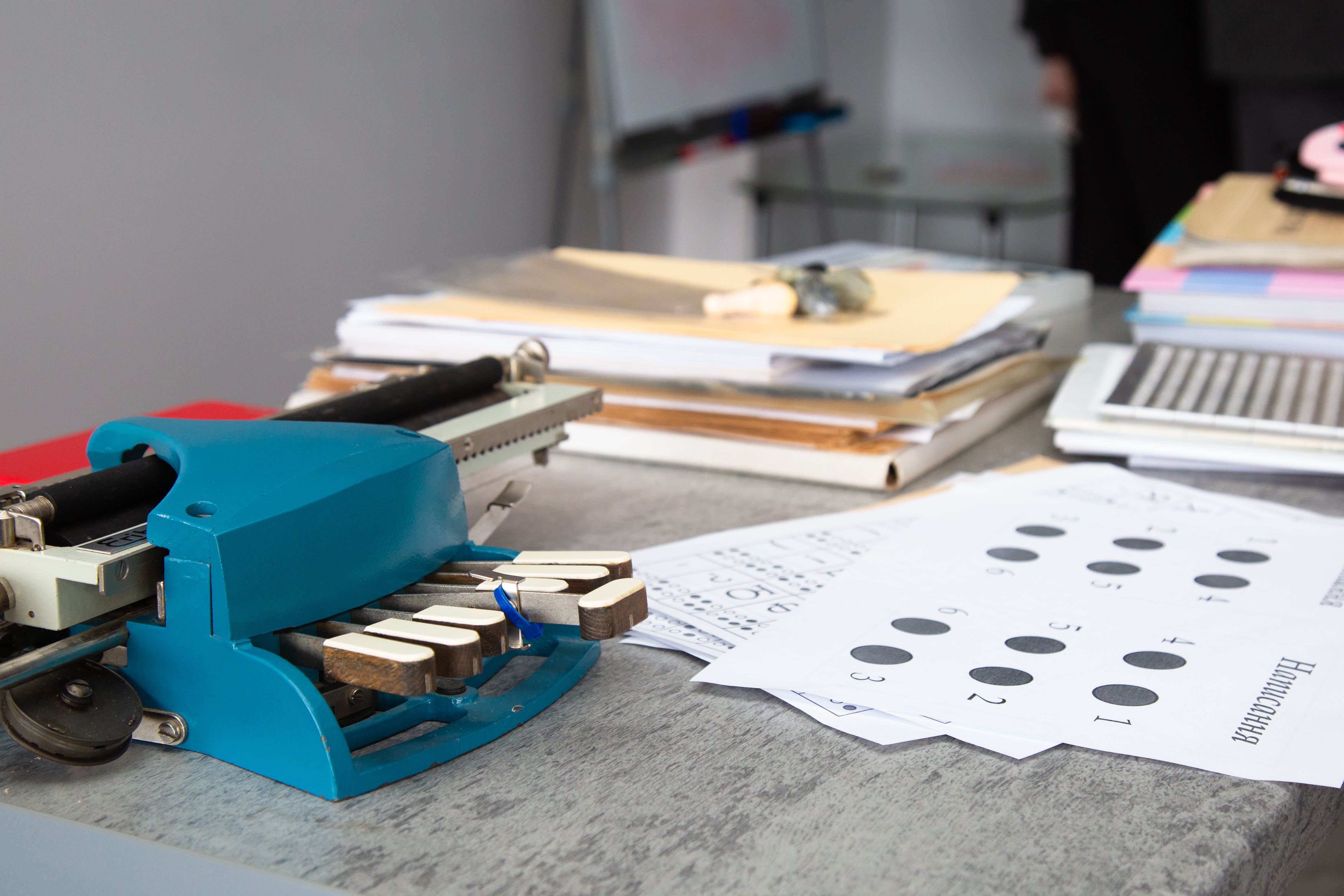
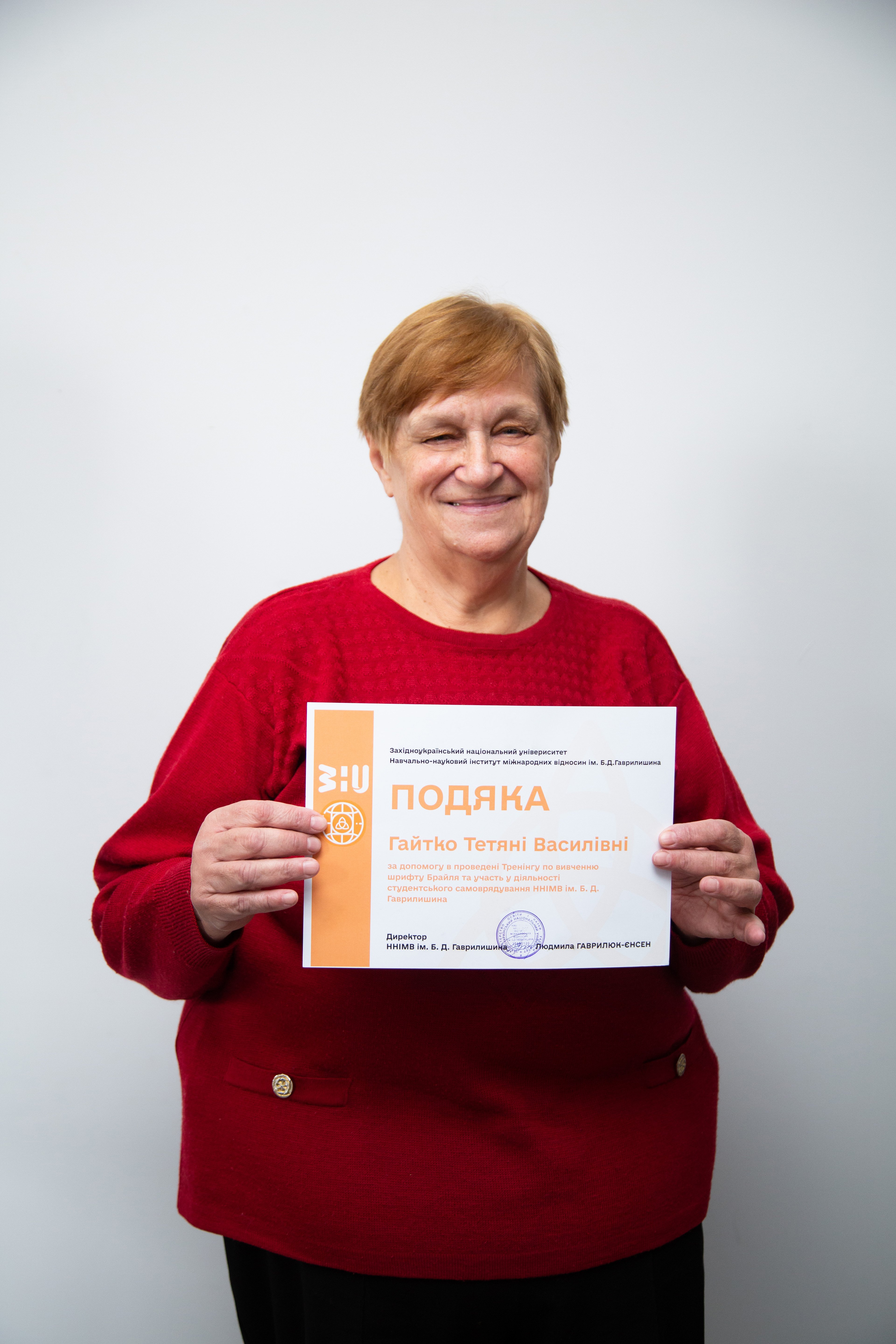
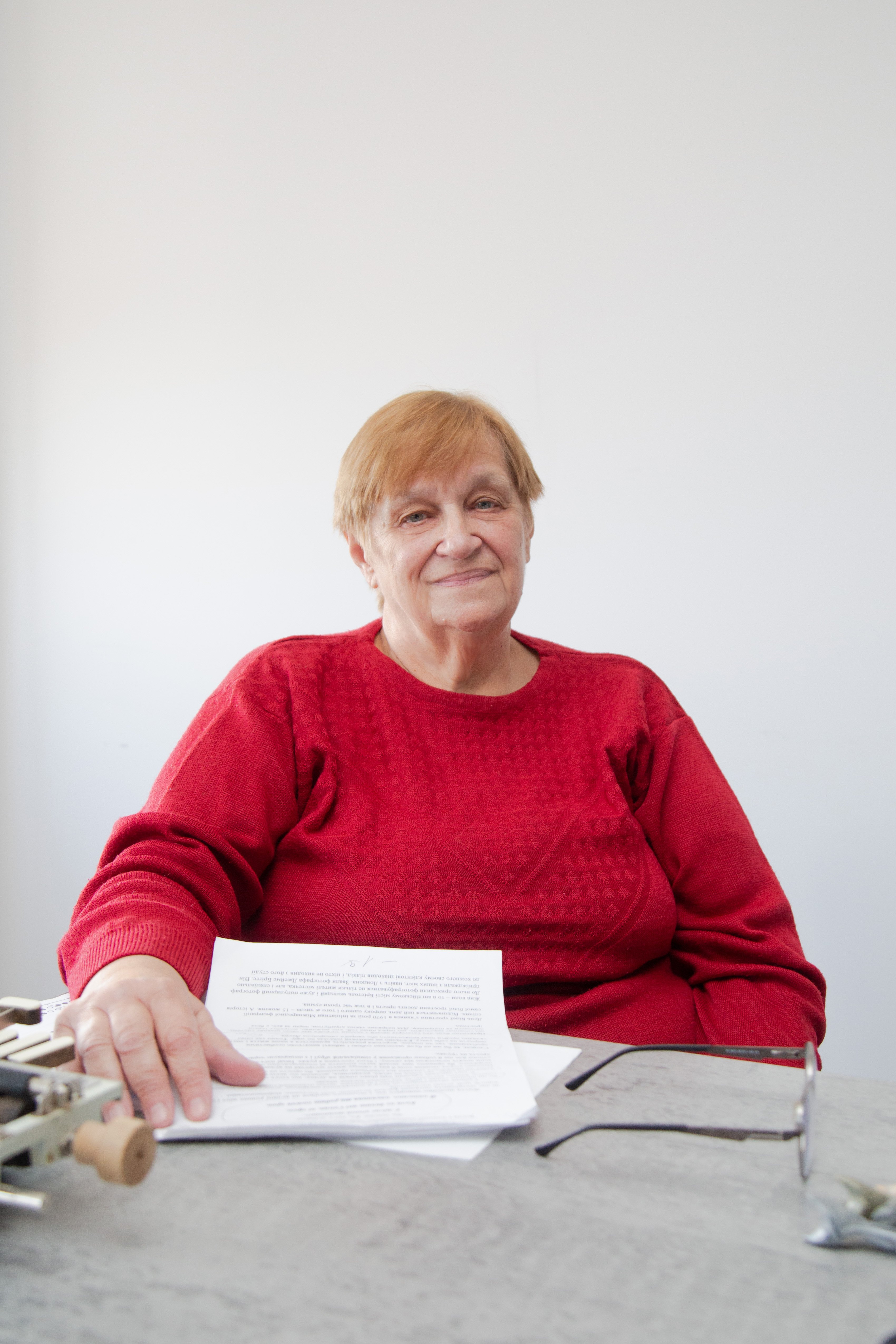
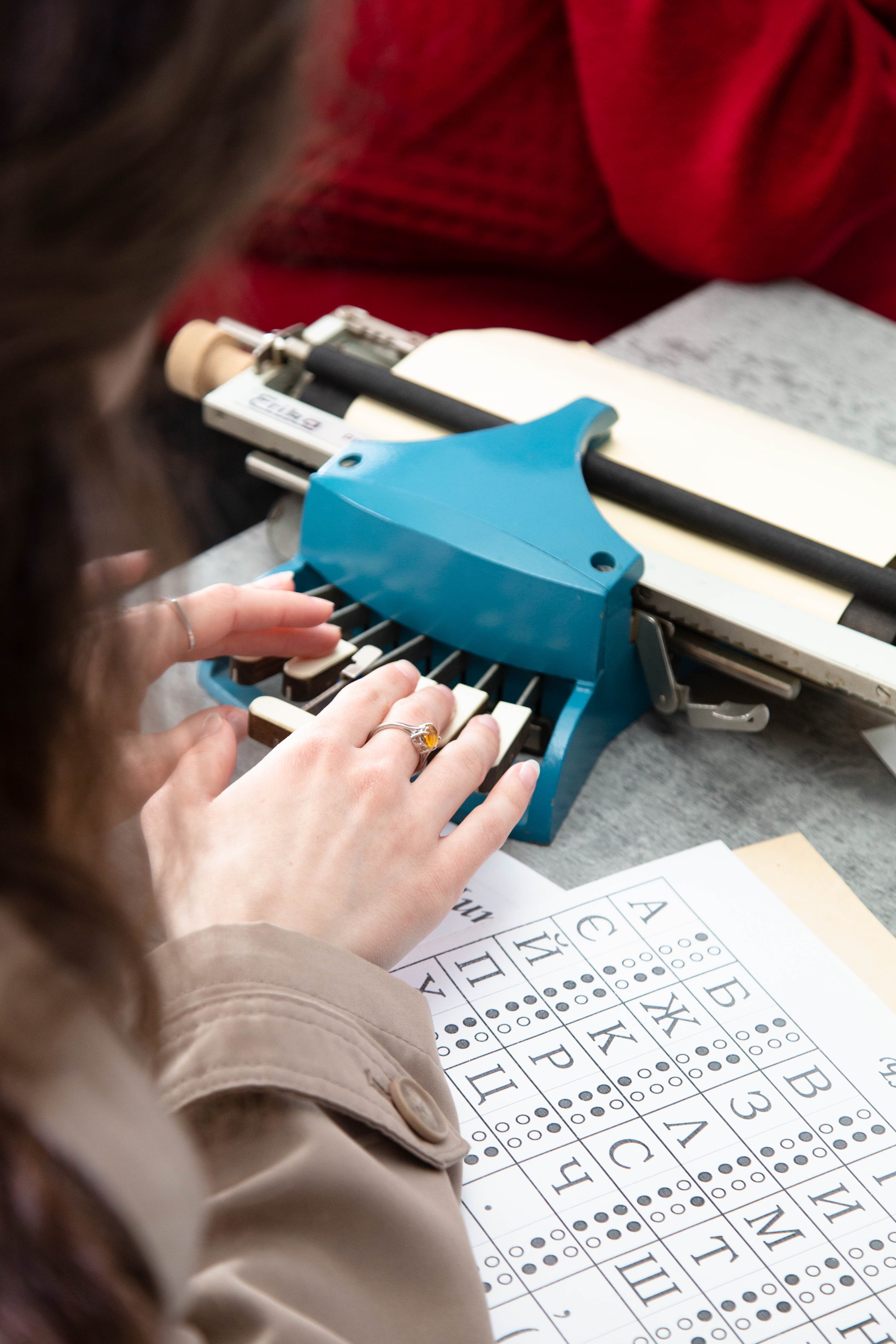
The training session was led by Tetiana Haitko, a special needs teacher at Ternopil Secondary School No. 22, whose expertise lent the event not only theoretical depth but also a practical dimension. Participants learnt about the history of the creation of Braille, the principles of how it works, and the specialised equipment used to reproduce texts. At the same time, practical experience was a key element: students had the opportunity to try writing, reading and printing texts in Braille for themselves, as well as to experience a different way of perceiving the world – through touch, shape and texture.
This is where the most important impact of such initiatives perhaps comes into play. It is not merely about imparting knowledge; it is about shifting one’s perspective. When you step outside your usual frame of reference for a moment and try to ‘read the world with your hands’, it becomes clear: inclusivity is not about someone else; it is about all of us.
The training session demonstrated that the institute’s student community is both active and mature. They are ready to shape a new social reality – one in which respect for human dignity, equal opportunities and responsibility for our shared space cease to be abstract concepts and take on very concrete forms. And perhaps it is precisely such initiatives – local, yet deeply meaningful – that mark the beginning of a genuine transformation of the university as an institution that not only imparts knowledge but also shapes the future.