When theory becomes practice, a real career begins
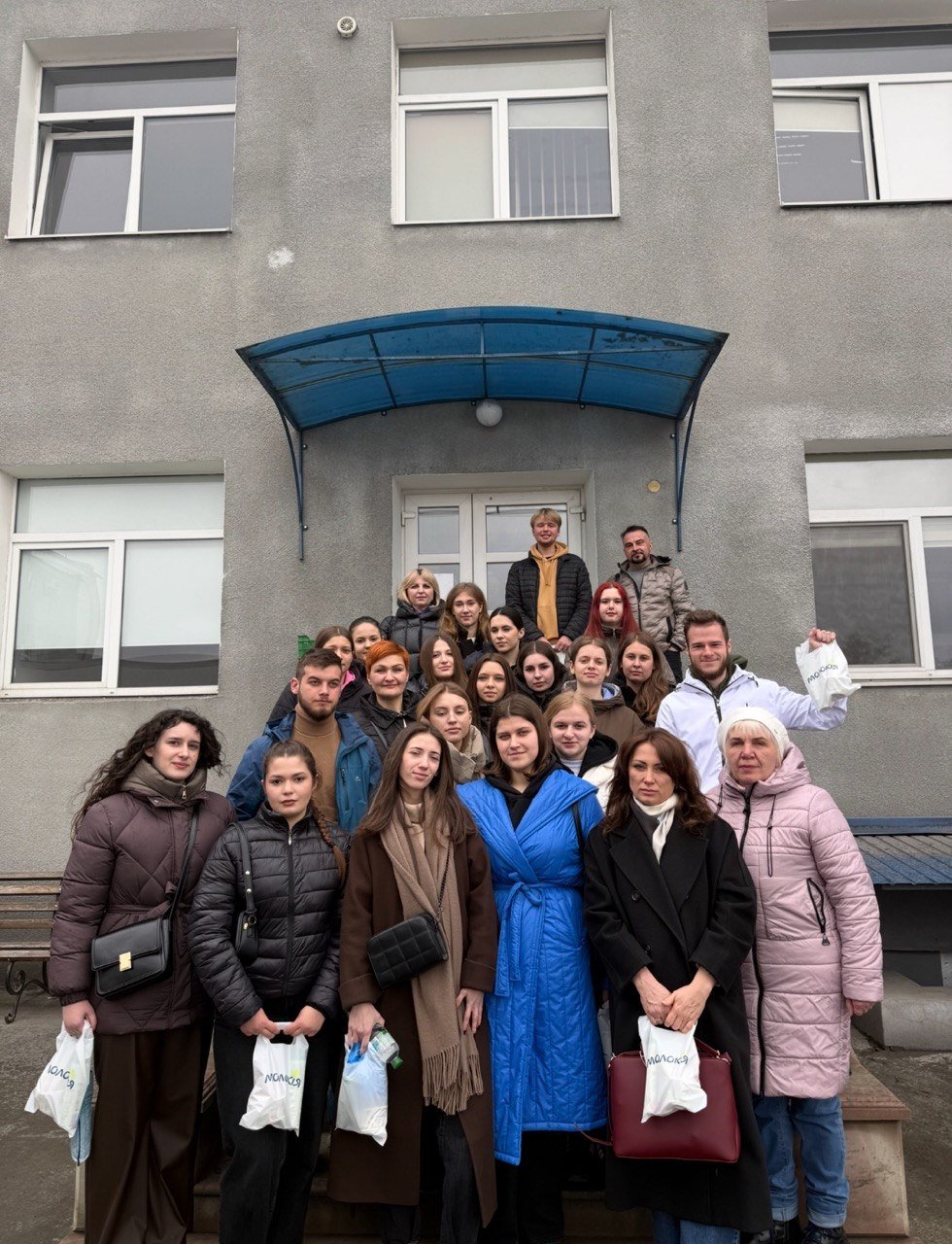
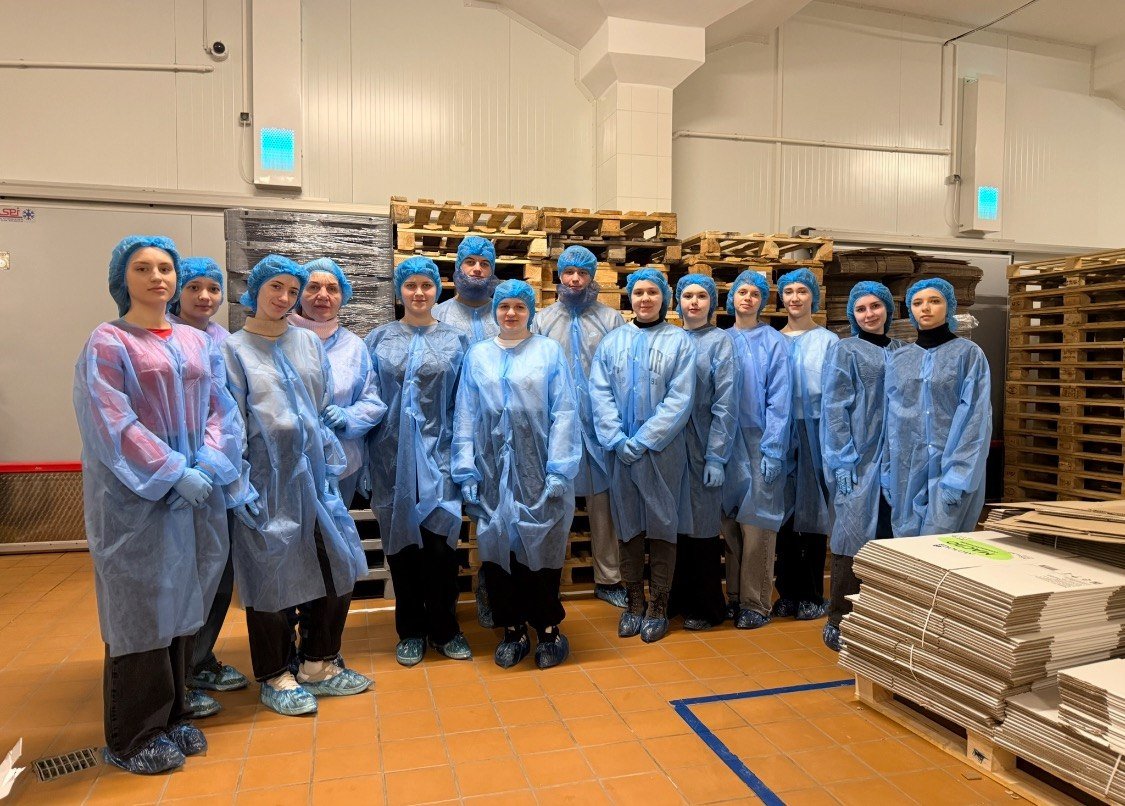
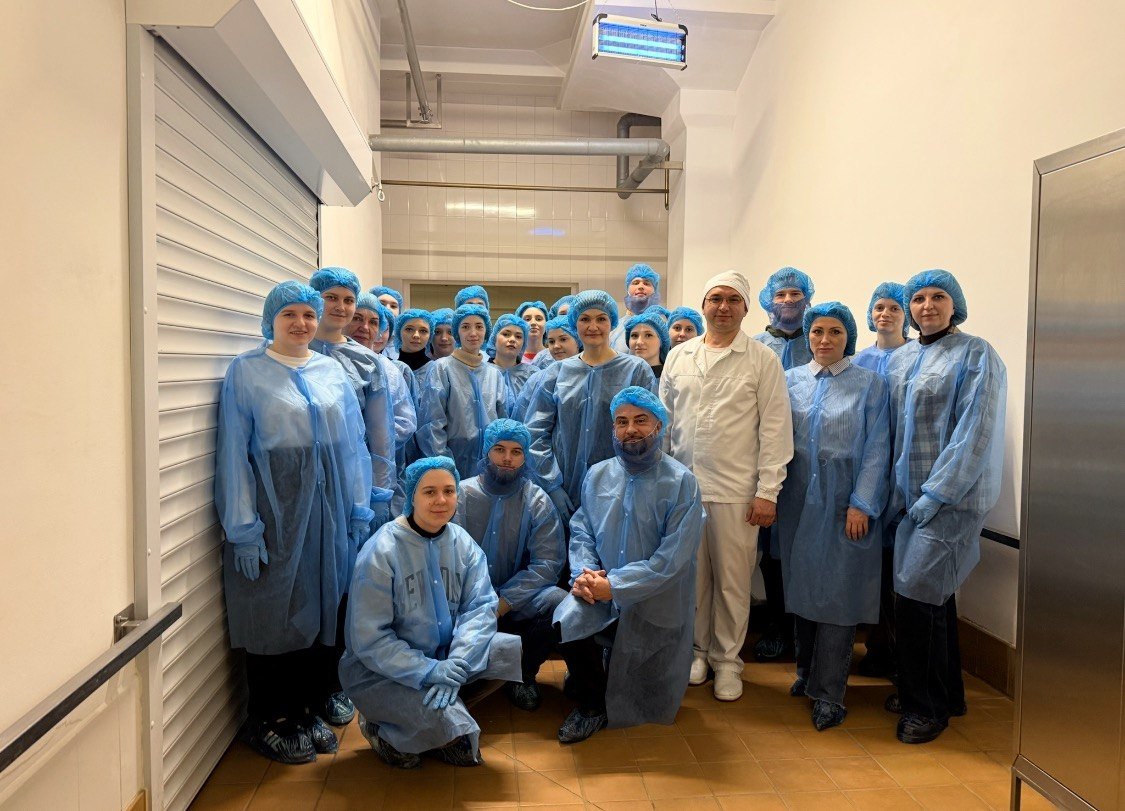 As part of the university’s practice-oriented teaching programme, West Ukrainian National University organised a training visit to PJSC ‘Ternopil Dairy Plant’ for students of the Department of Management, Public Administration and Human Resources. The event was organised as part of the activities of the School of Effective Management Leaders and the ‘Student Career Path in the Labour Market’ School.
The aim of the event was to strengthen students' practical skills in applying modern approaches in managing the production and organisational activities of a business, as well as to develop a systematic understanding of how businesses operate in a dynamic environment.
During the training session, participants were introduced to the specifics of the company’s operational activities, in particular the logic behind the structure of production processes – from the receipt of raw materials to the manufacture, packaging and storage of finished products. Particular emphasis was placed on production planning, the coordination of departmental activities, ensuring the continuity of operational processes, and adherence to quality standards at every stage.
Volodymyr Pylypiv, the company’s process engineer, drew up an infographic (a diagram showing movement within the plant, divided into functional zones) which helps to prevent breaches of health and hygiene standards and ensures the safe organisation of production. As part of the ‘Staff Safety’ programme, issues relating to risk management were discussed, in particular the use of chemicals, the safe operation of equipment and compliance with ergonomic requirements.
The students had the opportunity to analyse how the introduction of modern technologies, the automation of specific processes and investment in production infrastructure contribute to improving the efficiency of a company’s operations, optimising the use of resources and strengthening its competitive position in the market. Of particular interest were the practical aspects of process standardisation and quality control, which are key elements of modern operational management.
In addition, the young people discussed issues relating to human resources management. The main focus was on improving work efficiency, reducing staff turnover and ensuring consistent quality in food products. Attention was paid to modern approaches to developing the managerial competencies of production managers and line managers, particularly in the areas of communication, conflict resolution, managerial decision-making, and fostering a culture of feedback and staff motivation.
The creation of a barrier-free environment in production areas (laboratories, storage facilities, packaging areas) was specifically highlighted, in line with the principles of corporate social responsibility.
The organisation of such events demonstrates that the effective functioning of a modern enterprise is ensured by a combination of well-established operational processes, innovative development and a strong, motivated team. It is precisely this comprehensive approach that shapes a new generation of managers capable of making informed decisions and ensuring the sustainable development of organisations.