International cooperation in the field of digital tools for mental health
 The issue of mental health in Ukraine is gaining particular relevance in the context of war. Large-scale social upheavals, prolonged stress, loss and forced displacement have a significant impact on the mental state of the population, making mental health support one of the key priorities of state policy. A system of psychosocial assistance is gradually being developed in Ukraine, aimed at providing accessible and effective support services for different categories of the population. In these circumstances, an important direction for the development of the support system is the introduction of innovative digital tools that can complement traditional methods of psychological assistance.
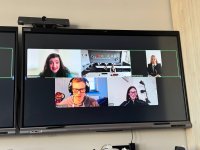
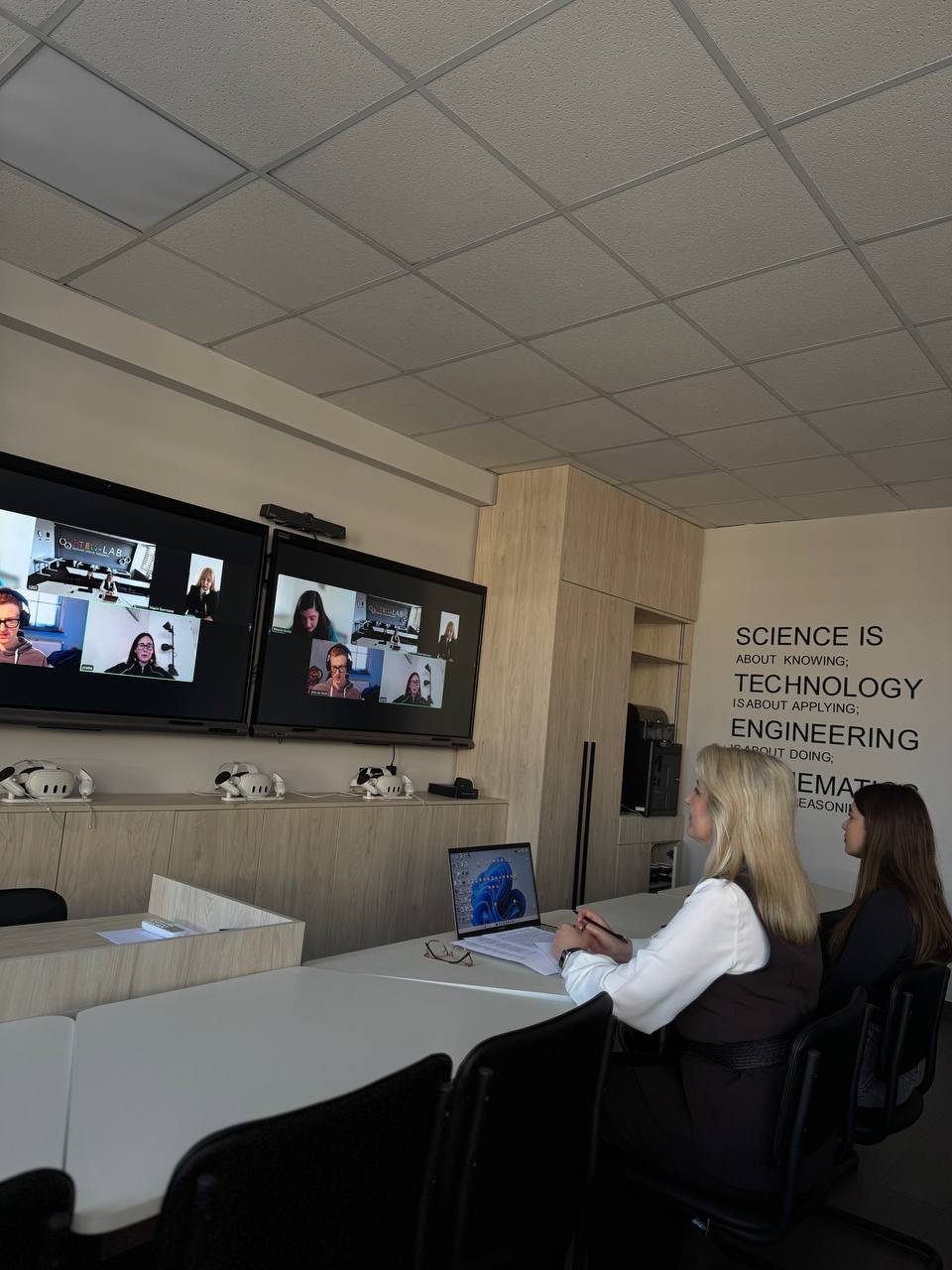
This was the focus of a working meeting between the team from the Education and Research Centre for Communications at West Ukrainian National University and partners from the Netherlands.
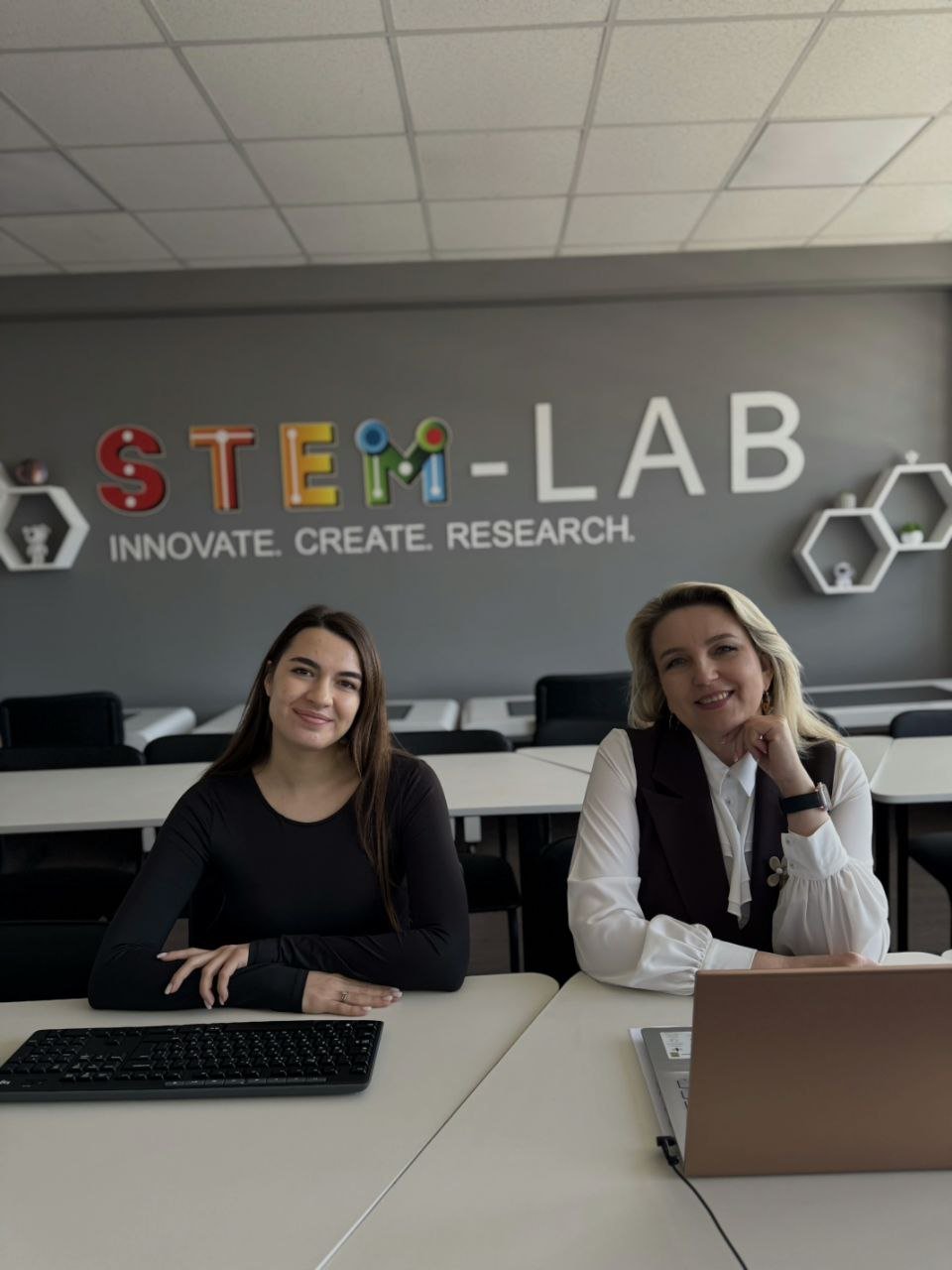
The meeting was initiated by Oksana Koval, Director of the Centre for Communications, Candidate of Pedagogical Sciences, Associate Professor, psychologist-consultant in positive psychotherapy, and head of the WUNU STEM project.
The Dutch side was represented by: Yvette Roke, psychiatrist at the Emerhese Flevoland clinic of GGz Centraal, professor, head of the SAM-STAPP research project, and Alvin van Asselt, content manager for the SAM and SAM Junior apps, doctoral student, and autism expert.
On the Ukrainian side, leading specialists from the Education and Research Centre for Communications joined the professional discussion: Mariia Bryhadyr, Candidate of Psychological Sciences, Associate Professor, psychotherapist in positive psychotherapy, and Diana Boiko, lecturer, psychologist-consultant in positive psychotherapy, coordinator of the WUNU STEM Lab, as well as Viktoriia Korobii, interpreter of the International Relations Office.
During the meeting, participants discussed current approaches to the use of digital technologies in mental health, including the potential for using mobile applications to monitor and manage stress.
Special attention was paid to the Stress Autism Mate (SAM) app, a personalised digital tool developed by the Dutch organisation GGz Centraal in collaboration with scientists. The app helps users track their stress levels in everyday life, better understand their own reactions, and apply effective strategies for coping with stress.
The app works by having you check in with yourself a few times a day, answering short questions about what you're doing and how you're feeling. Based on this data, the system creates a personalised stress profile, helps you spot recurring patterns, and gives you tips on how to change them.
Scientific research confirms the effectiveness of this tool: using SAM helps reduce stress levels, improve coping strategies, and increase overall psychological well-being among users.
The development team has also created other digital solutions, including: SAM Junior – a version of the app for teenagers aged 12–18; STAPP @Work – a tool to support the mental well-being of employees and students.
The participants discussed the prospects for using such digital tools in Ukraine, in particular to support various vulnerable groups of the population: military personnel and veterans, internally displaced persons, children and families affected by the war, as well as people with autism spectrum disorders, attention deficit hyperactivity disorder, mood disorders or post-traumatic stress disorder.
Special attention was paid to the European SUPER (Supporting User Participation for E-health Resilience) project, which aims to develop and adapt digital tools in the field of mental health with the involvement of end users. As part of this project, international teams are testing innovative digital solutions and formulating recommendations for their implementation in different countries.
The parties agreed to expand their partnership in the field of digital tools for mental health, including the involvement of Ukrainian specialists in joint scientific research and practical developments in the field of e-mental health, the adaptation and testing of digital applications for monitoring and managing stress, and the exchange of expert experience in the field of psychosocial support for various vulnerable population groups.