Representative of WUNU's Department of Ecology and Healthcare participated in the international SoilTribes project
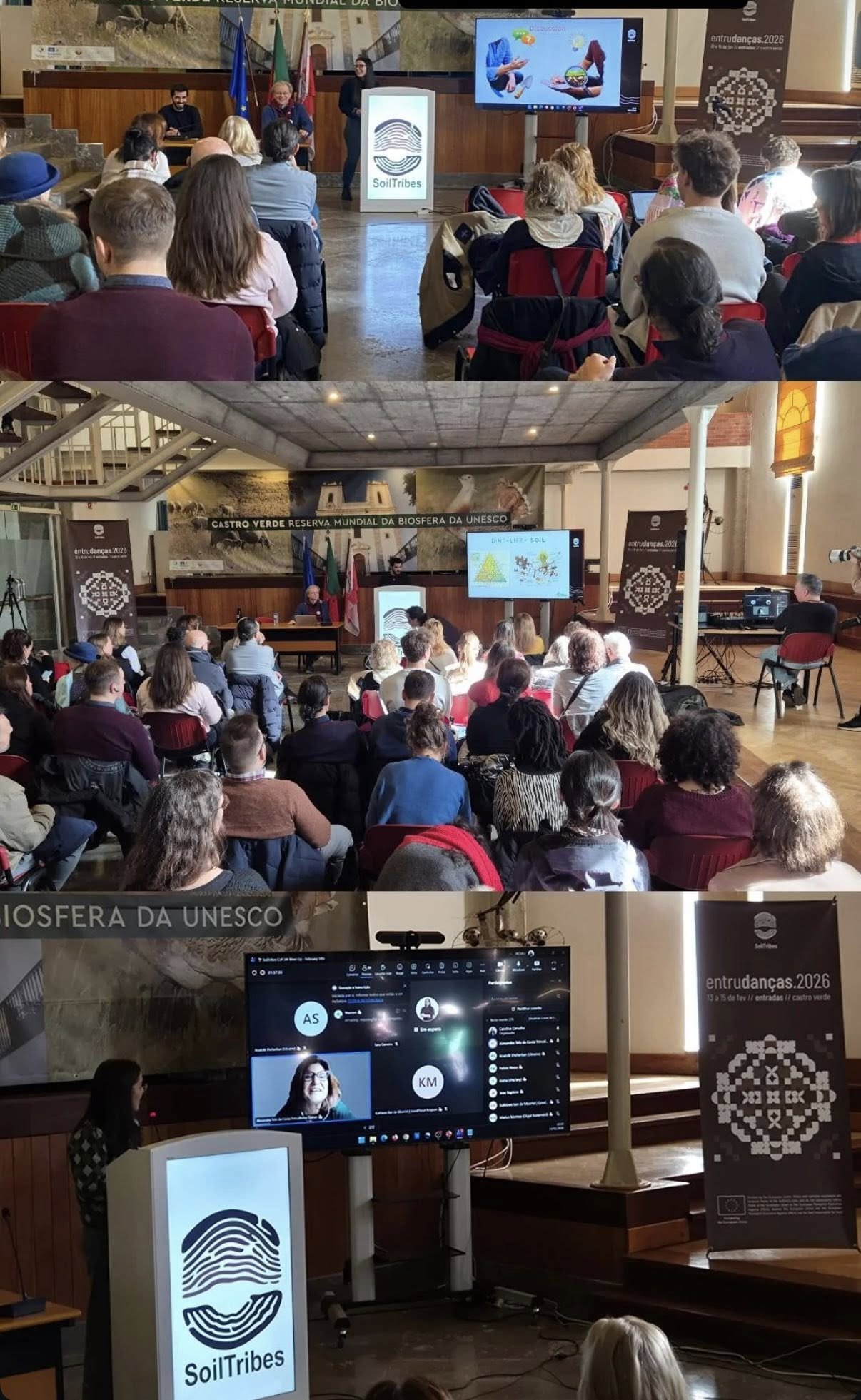
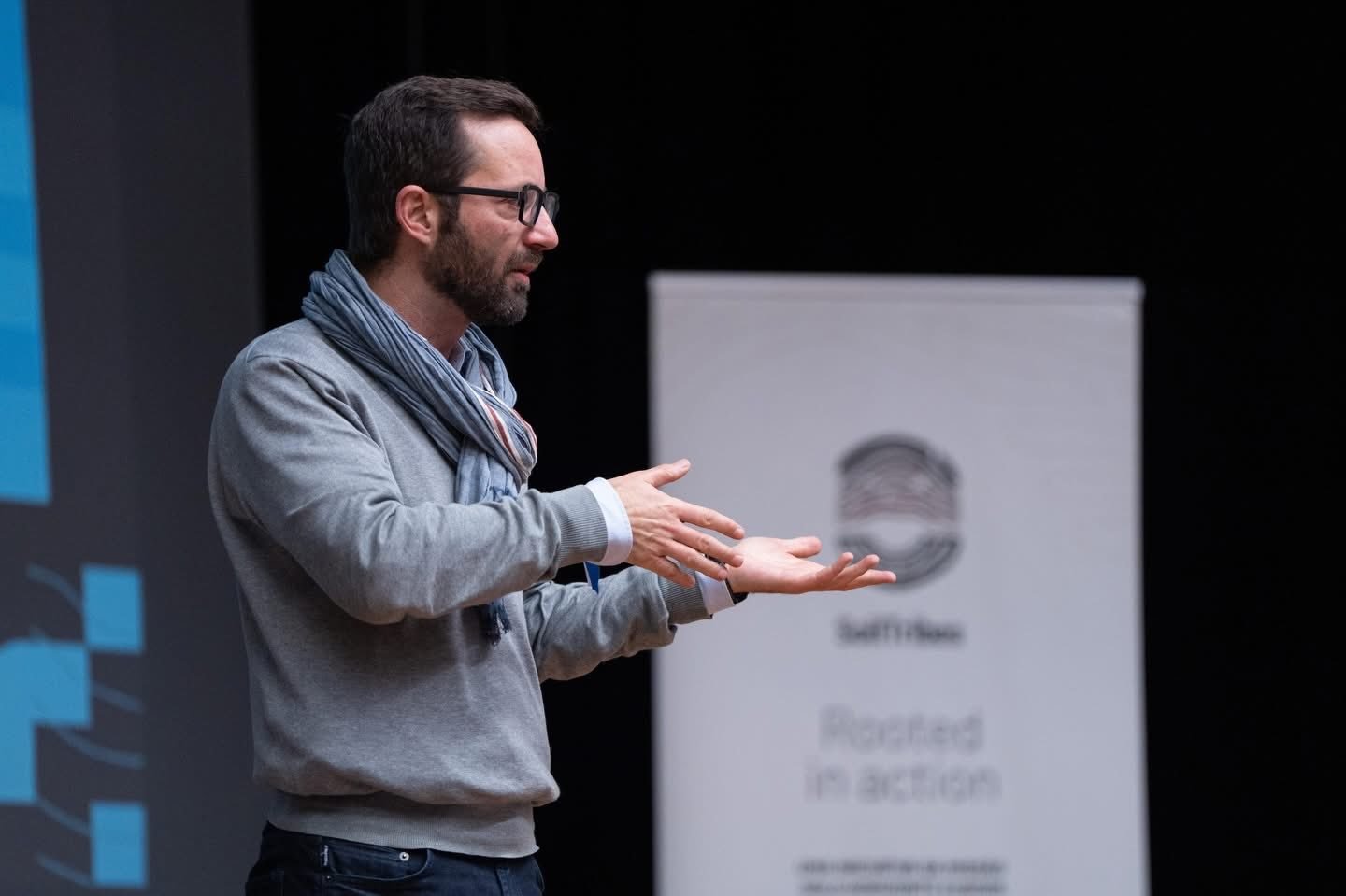
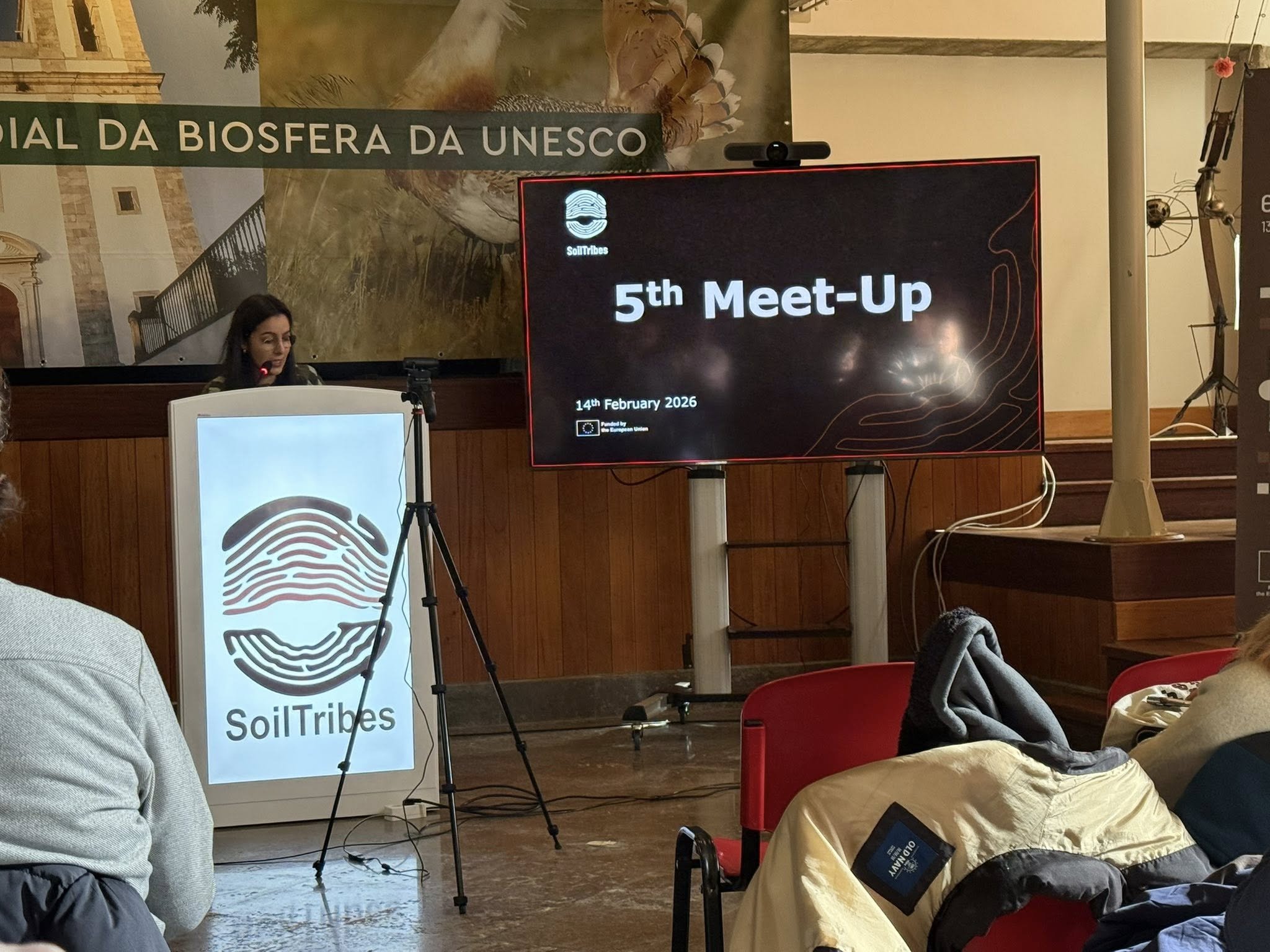
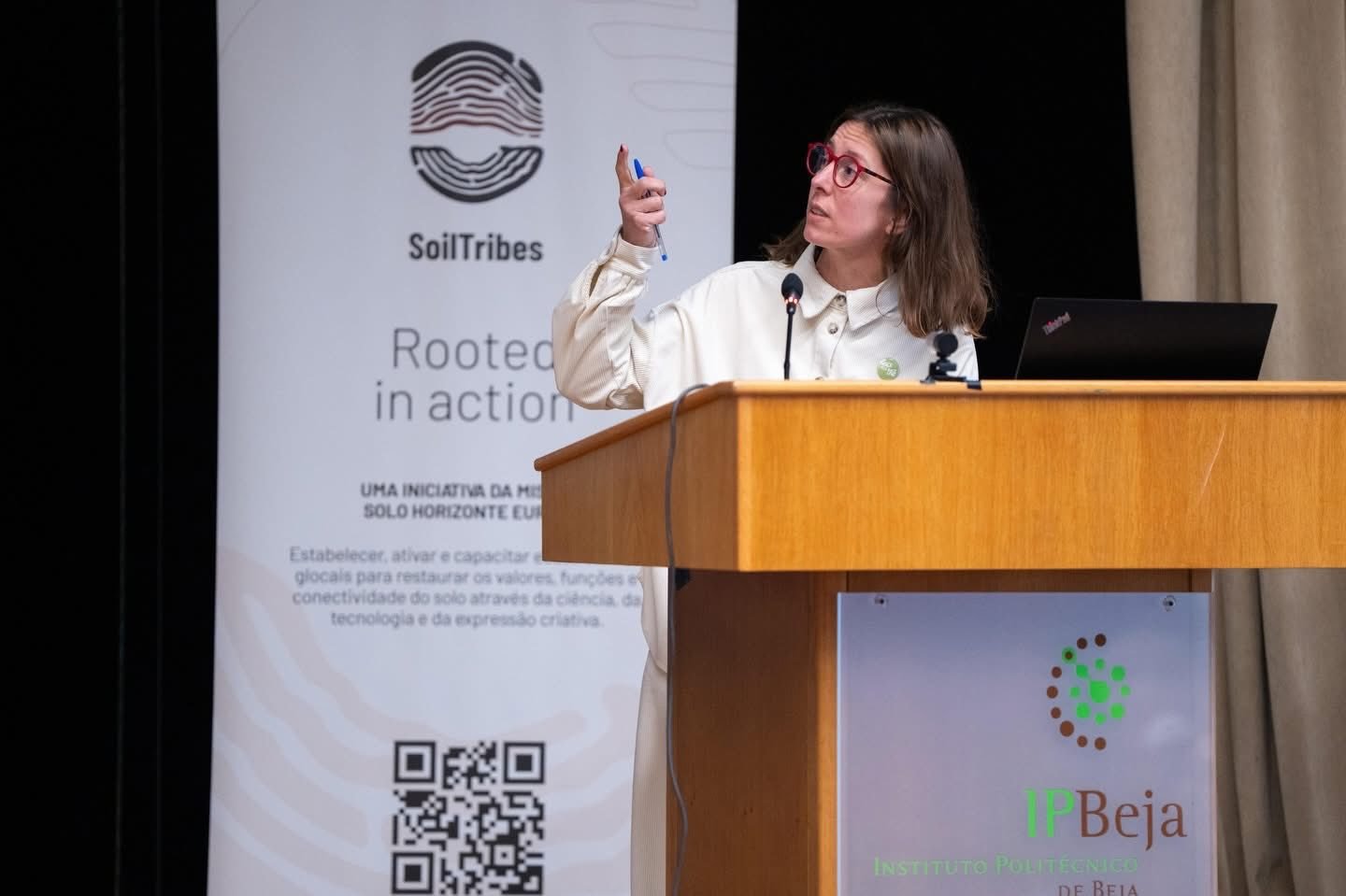 From 13 to 15 February 2026, Associate Professor of the Department of Ecology and Healthcare Oleksandr Bondar took part in the events of the international ecological project SoilTribes, dedicated to soils, sustainable land use and environmental education, which took place in three cities in Portugal – Beja, Castro Verde and Entradas.
The SoilTribes project aims to systematically research the condition of soils and implement educational practices at the international level. The initiative promotes scientific research, the exchange of experience between countries, and increased environmental awareness among different segments of the population, which is important for ensuring sustainable land use.
Within the framework of the project, participants discussed current problems affecting soil resources, in particular erosion, depletion and loss of organic matter. One of the key regions that participants focused on was Alentejo, one of Portugal's leading agricultural regions, where traditional farming methods and modern environmental approaches are successfully combined.
Special attention was paid to the practices of sustainable land use, which are actively implemented by local farmers. During visits to the Vale Gonçalinho Environmental Education Centre, participants had the opportunity to see how minimum tillage methods, natural vegetation conservation and rational use of pastures are applied. These solutions help to reduce soil degradation and contribute to the conservation of biodiversity.
Of particular importance was Oleksandr Bondar's report on the results of the first stage of soil monitoring at the NAUKA educational and research production farm of West Ukrainian National University. Soil monitoring is an important part of the research conducted within the sustainable land use programme. The results of the first stage of research revealed key aspects of soil condition, including fertility, erosion levels, organic matter content and impact on biodiversity.
The collected data indicate that the soils on the territory of the NAUKA farm have sufficient potential for the application of environmentally friendly farming methods. At the same time, the study revealed the need to implement measures to combat soil erosion, increase soil fertility and support biodiversity. The analysis also showed that it is important to use minimum tillage methods, preserve natural vegetation and reduce the impact of human activity on the soil cover.
The SoilTribes project will continue its work until 2029, and in the future, there are plans to conduct new research, exchange experiences between countries, and develop additional educational materials for a wide audience. The long-term implementation of the initiative will allow for the accumulation of practical results that will help shape a new culture of treating soil as a strategic natural resource.
The combination of science, practice and creativity, as well as active cooperation between scientists, farms and educational institutions, creates a strong foundation for sustainable development and soil conservation in the future.