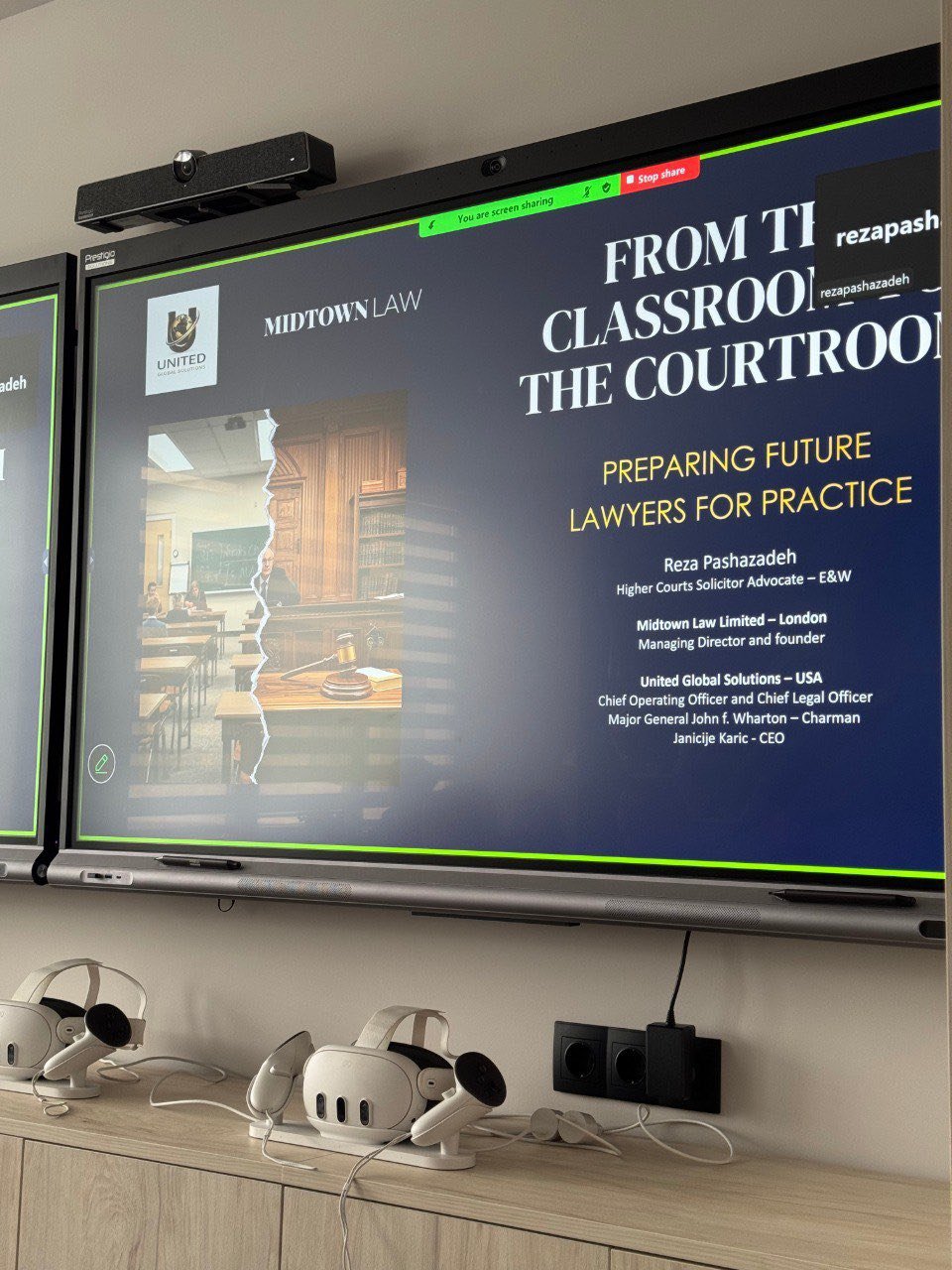
Webinar from Reza Pashazadeh 'From the Lecture Hall to the Courtroom: Preparing our future Lawyers for practice'
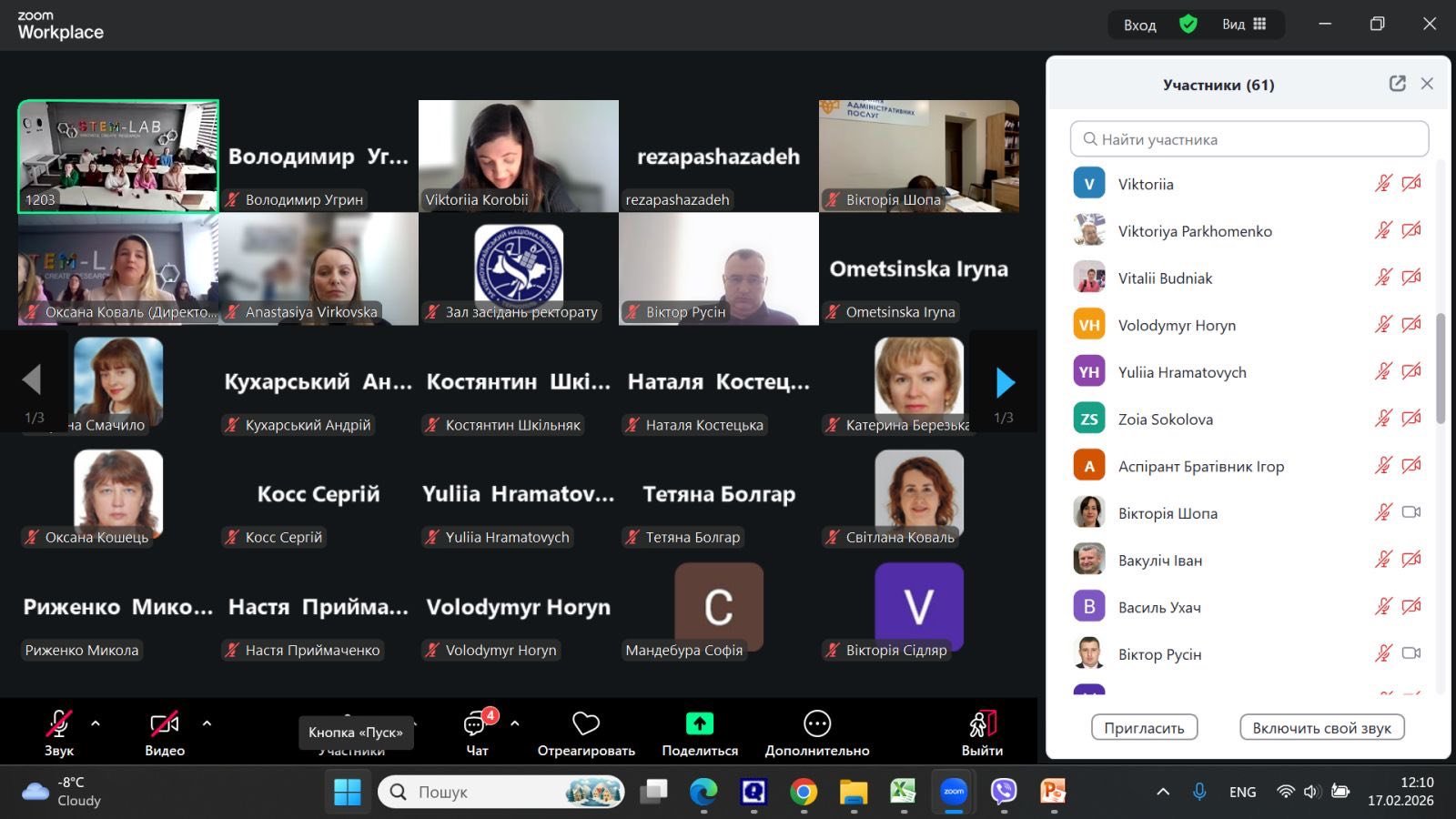
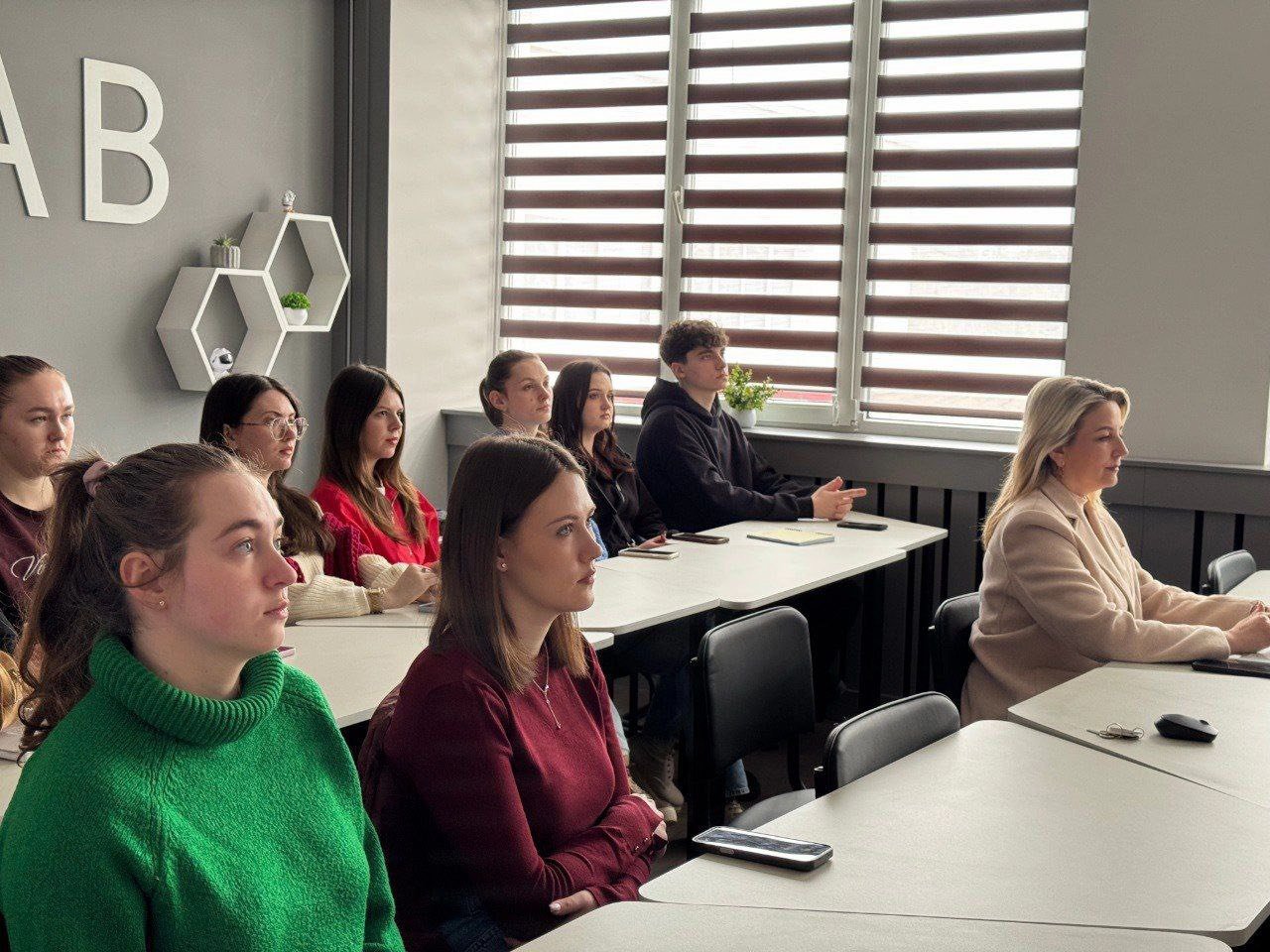
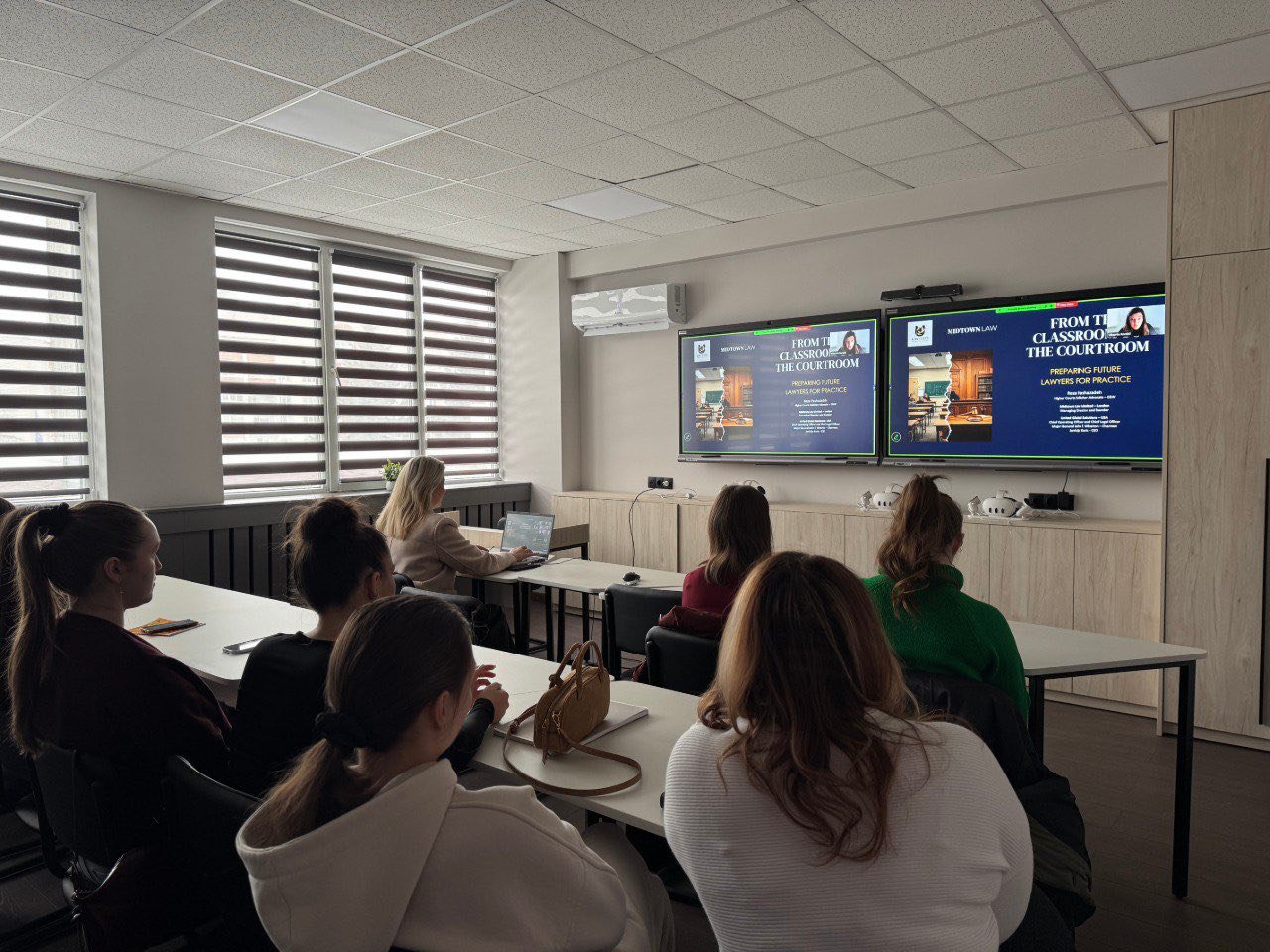
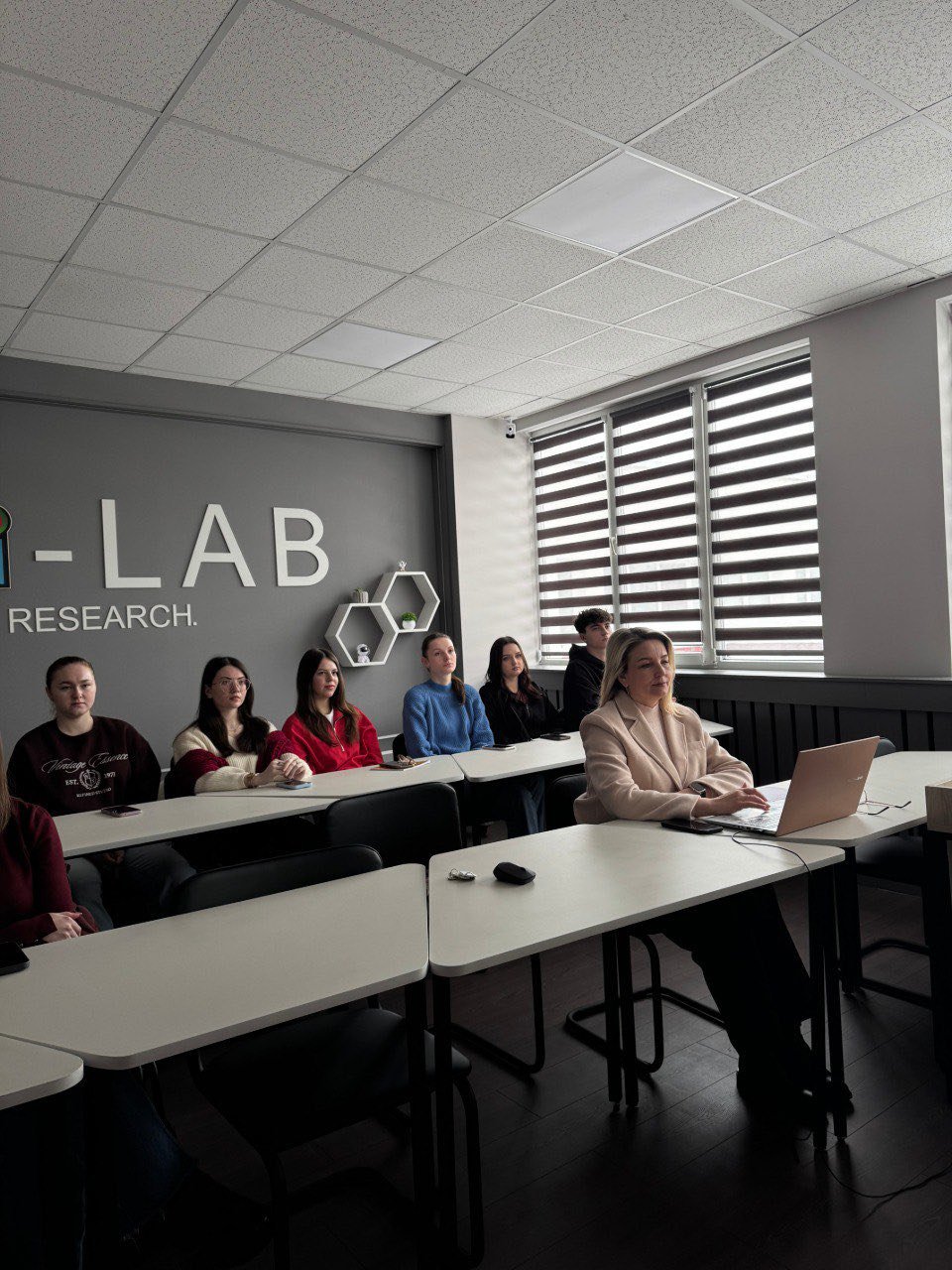
 West Ukrainian National University hosted a webinar entitled “From the Lecture Hall to the Courtroom: Preparing our future Lawyers for practice,” dedicated to preparing future lawyers for professional activity and the challenges of modern legal practice.
The lecturer - Reza Pashazadeh, managing and founding partner of Midtown Law, solicitor advocate with extensive experience in civil, commercial and criminal litigation, high-level negotiations, contract drafting and dispute resolution (UK). His many years of experience in the field of advocacy and management of law firms ensured that the lecture was practical and focused on real-world applications.
During his presentation, the speaker shared his professional history, outlining his path from academic studies to real work in judicial and legal practice. Particular attention was paid to the question of why the legal profession is unique: it combines a duty to the court and the client, shapes social change, and requires constant development and adherence to high standards of professional ethics.
A separate section of the webinar was devoted to rethinking the concept of a “win” in law. The expert noted: “A lawyer's success does not always mean winning in court, but often lies in the timely settlement of a dispute, saving the client's resources, avoiding conflicts, and finding a practical solution.”
Considerable attention was paid to the problem of the gap between university education and the realities of the legal profession. It was emphasized that academic knowledge, research skills, and legal theory are an important foundation, but legal practice requires quick adaptation, communication skills, client focus, and commercial awareness.
Reza Pashazadeh also emphasized the importance of developing practical skills through participation in moot courts, debates, legal clinics, volunteer projects, and communication with practicing lawyers.
The future of the legal profession in the context of digitalization and the development of artificial intelligence was considered separately. It was noted that technology is increasingly automating routine tasks, and clients expect faster and more efficient solutions. At the same time, future lawyers must use AI tools responsibly, critically evaluating information and verifying its accuracy.
The event concluded with a lively discussion and a Q&A session.
The webinar generated considerable interest among participants and contributed to a deeper understanding of the modern requirements for the legal profession in a global context.