Discussion lecture by Fryderyk Zoll: ‘Comparative law as a tool for harmonisation of legal systems and formation of modern legal culture’
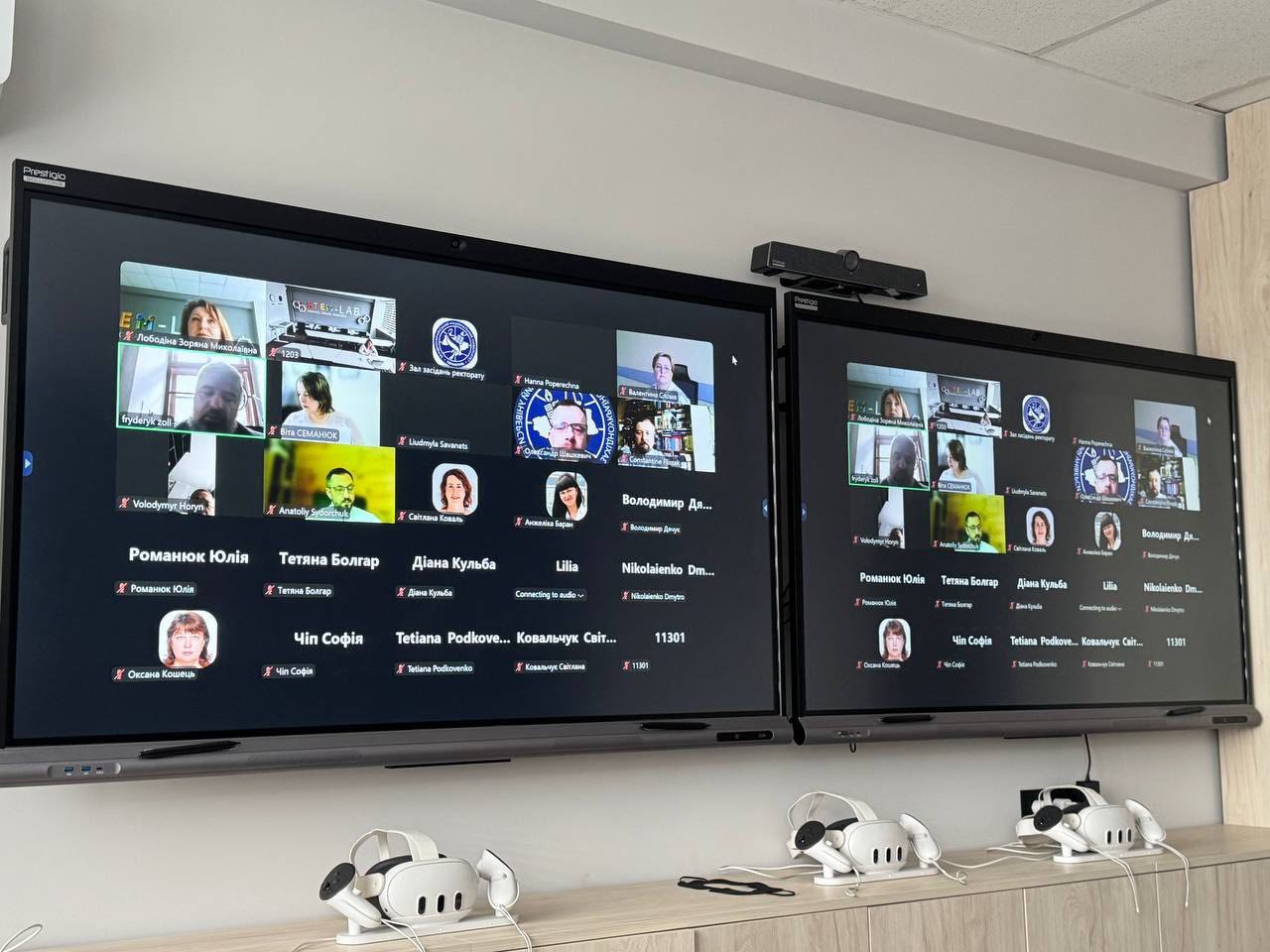
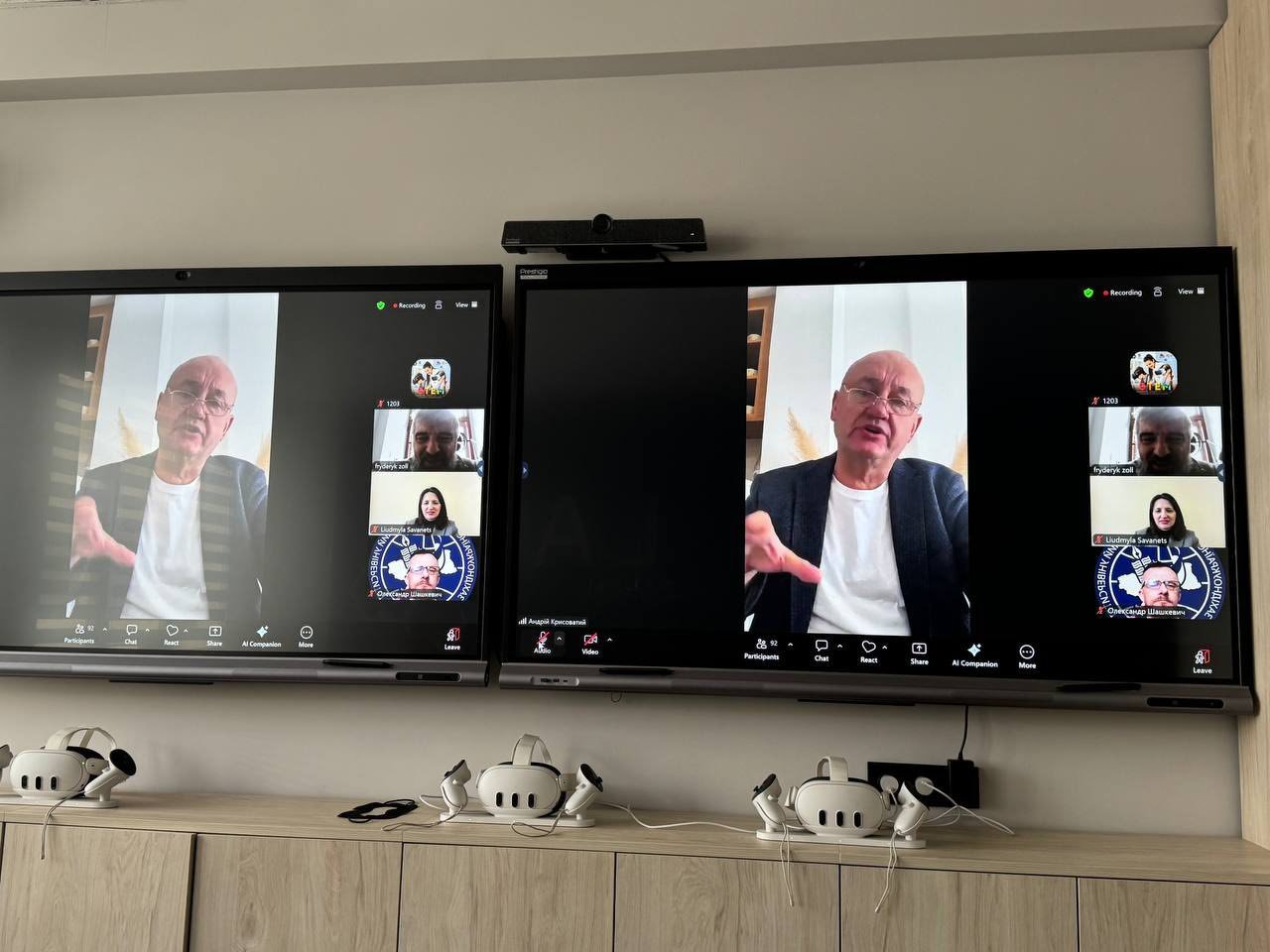
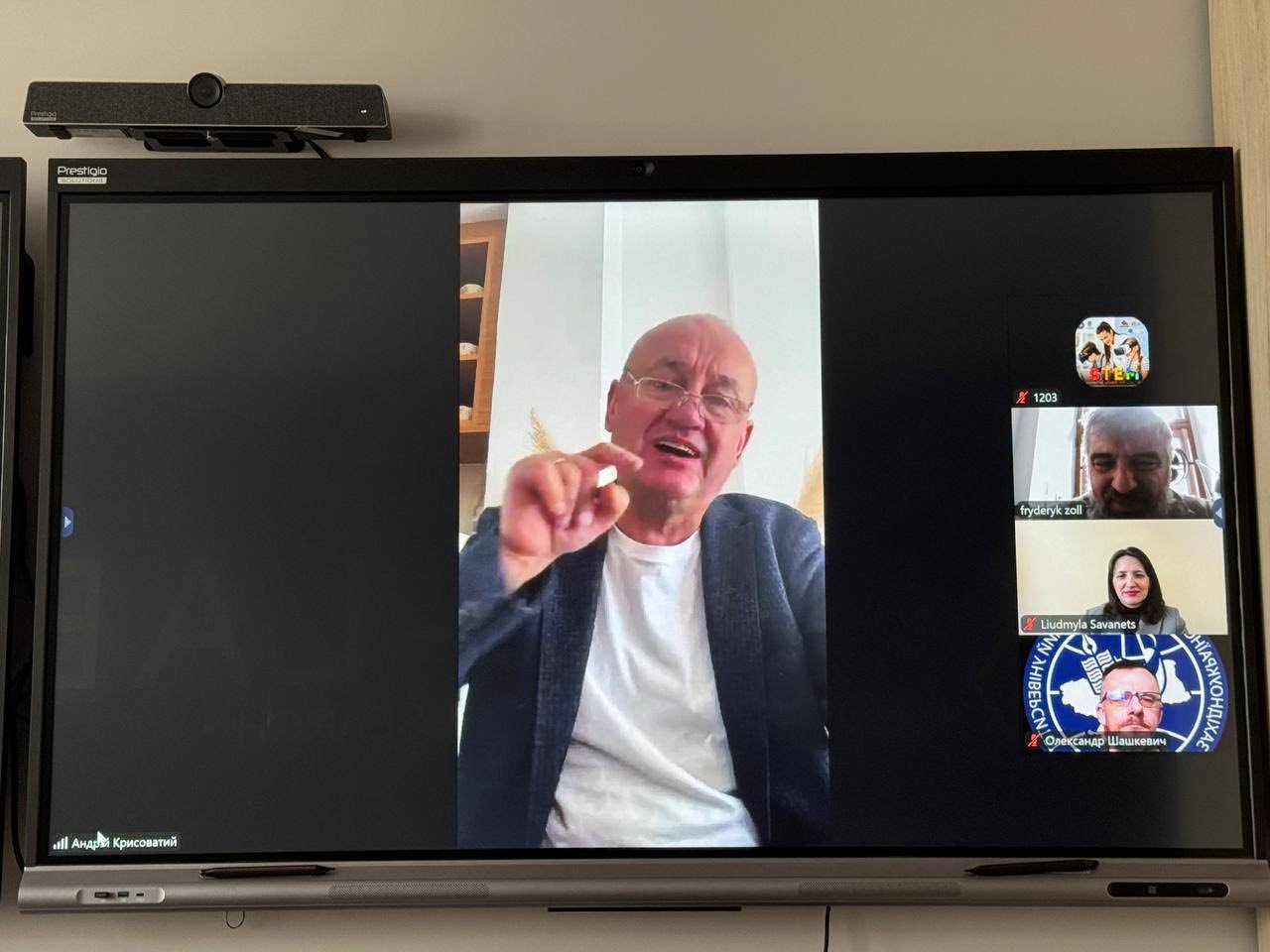
 West Ukrainian National University hosted a discussion lecture entitled ‘Comparative law as a tool for harmonisation of legal systems and formation of modern legal culture’. The event was led by Prof. Dr. hab. Fryderyk Zoll, who is an honorary doctor and member of the Supervisory Board of WUNU, chair of the section of comparative law at the Department of Civil Law at Jagiellonian University, professor of European private law, comparative law and Polish private law at Osnabrück University, and former member of the board of the European Law Institute.
The meeting was moderated by Andriy Krysovatyy, Doctor of Economics, Professor, Head of the S. I. Yuriy Department of Finance.
The lecture was devoted to the study of the methodological foundations of comparative law as an effective tool for harmonising legal systems and shaping modern legal culture. The focus was on approaches to comparative legal analysis, its role in the development of legal science and its significance for the adaptation of national legal systems to European standards.
The speaker suggested treating comparative law methodology as a set of scientific approaches and principles aimed at comparing and critically analysing the legal systems of different countries. According to the scholar, this approach makes it possible to identify common and distinctive features of legal institutions, trace patterns in their development, and determine opportunities for legal reception.
Professor Zoll emphasised that the use of comparative legal methods contributes to the improvement of national legal systems, the enhancement of the quality of legislation and the development of modern legal science. He paid special attention to the importance of accounting for the legal traditions, social and cultural context, and institutional features of each country in ensuring the scientific validity of conclusions and the practical relevance of research.
The event brought together teachers, researchers and students, who actively participated in the discussion. Participants expressed their sincere gratitude to the speaker for his informative lecture and expressed interest in further scientific cooperation.