Expert online lecture by Paul Meerts, ‘The Evolution of International Negotiations’
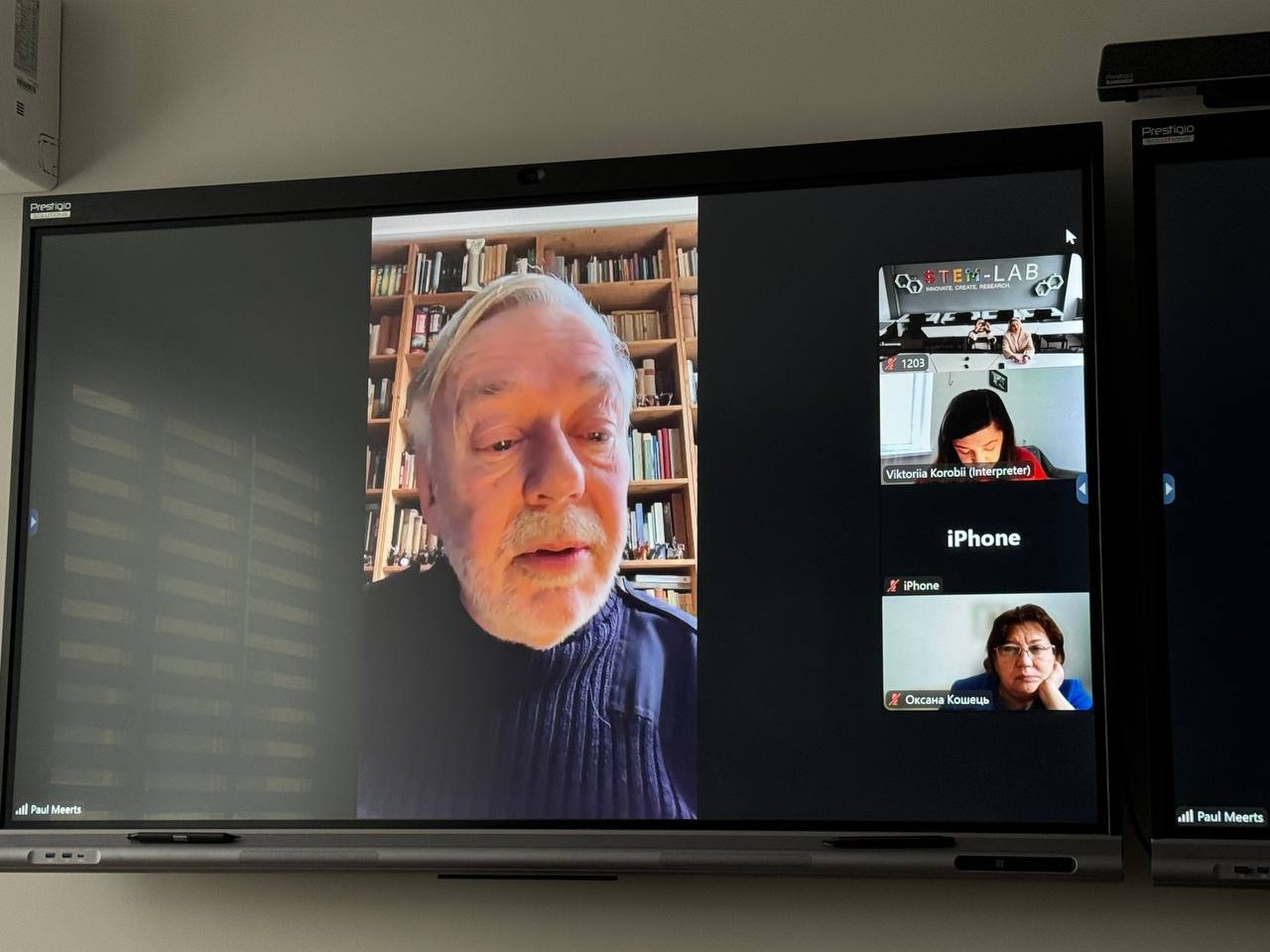
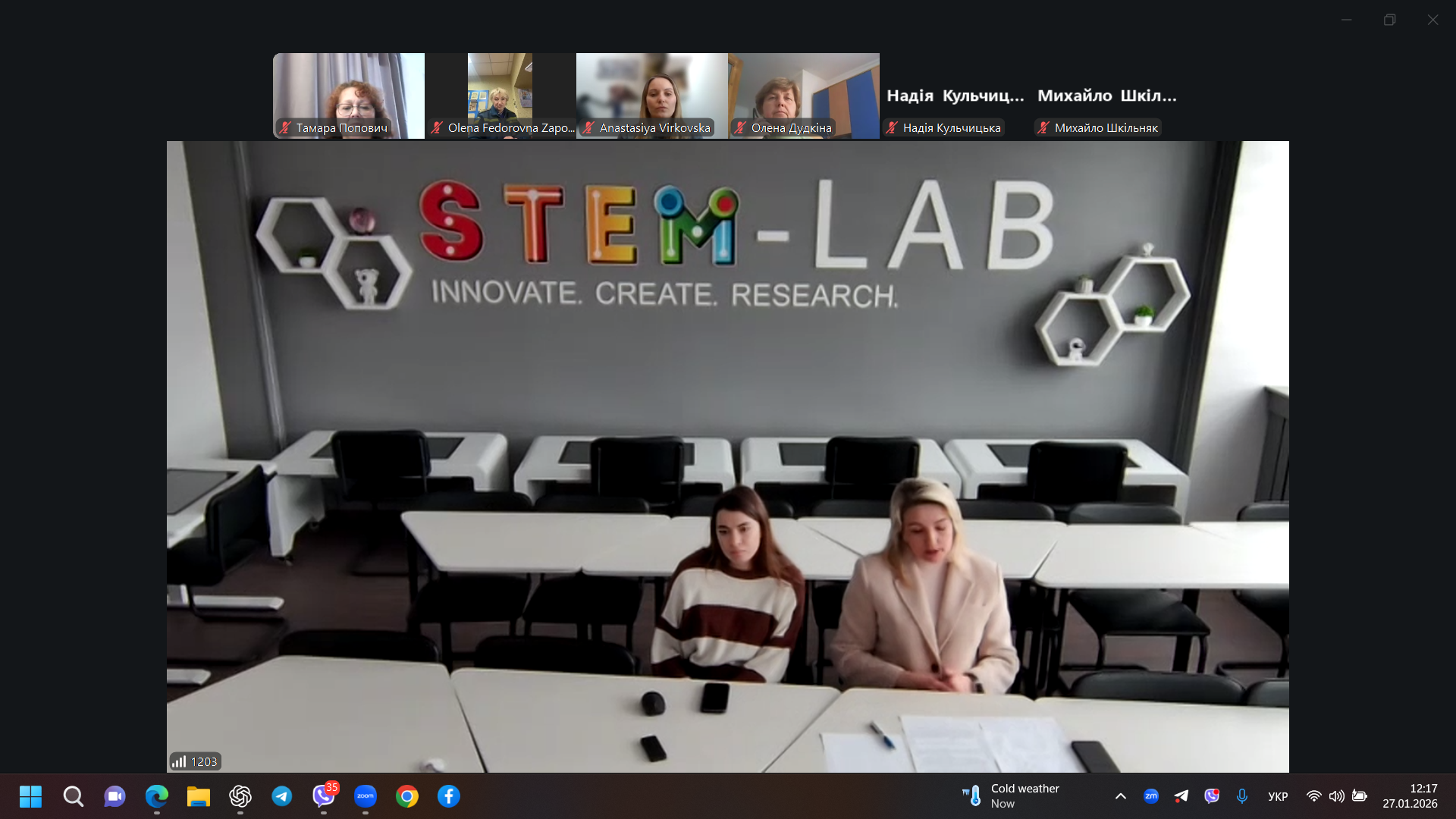
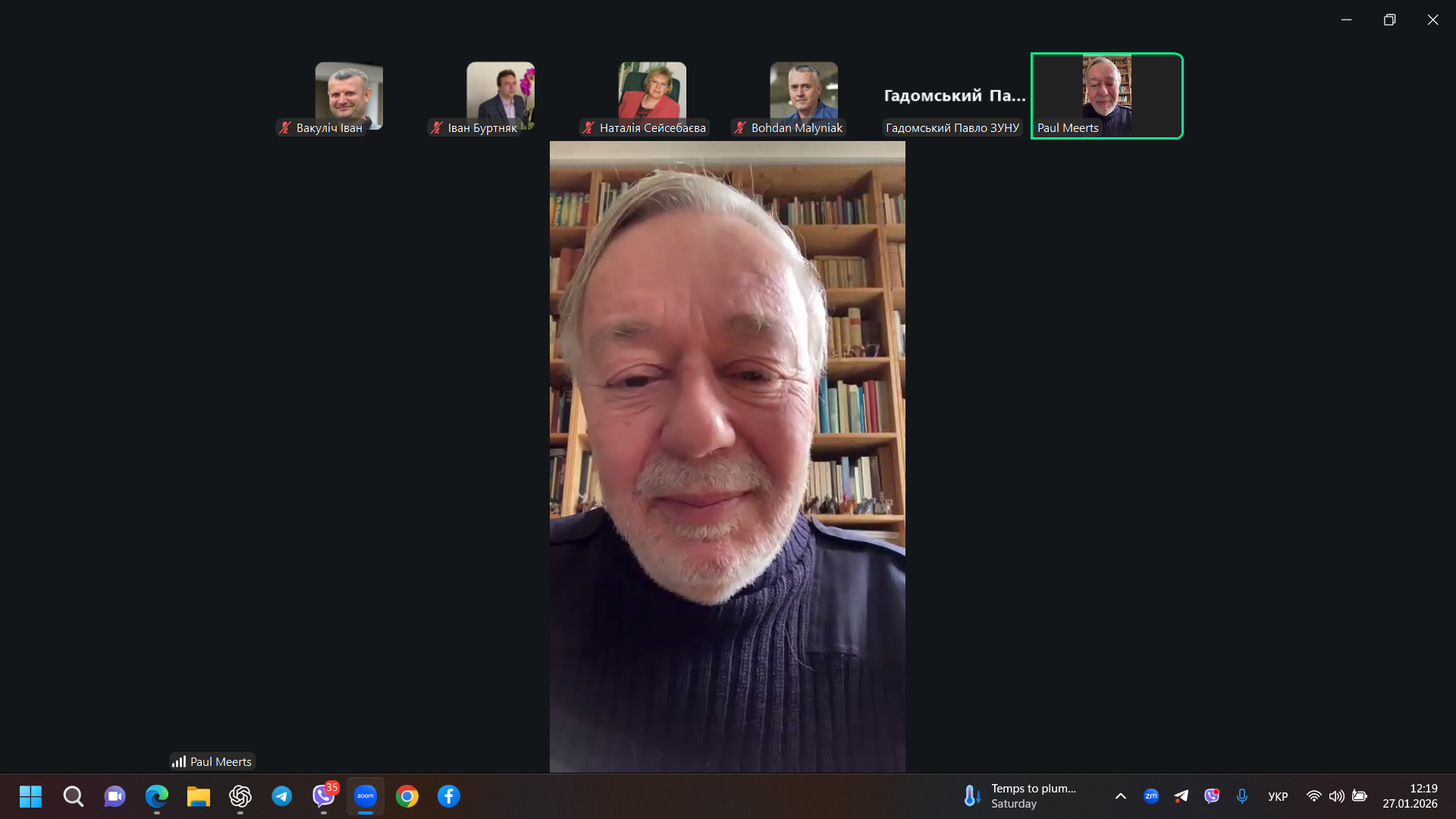
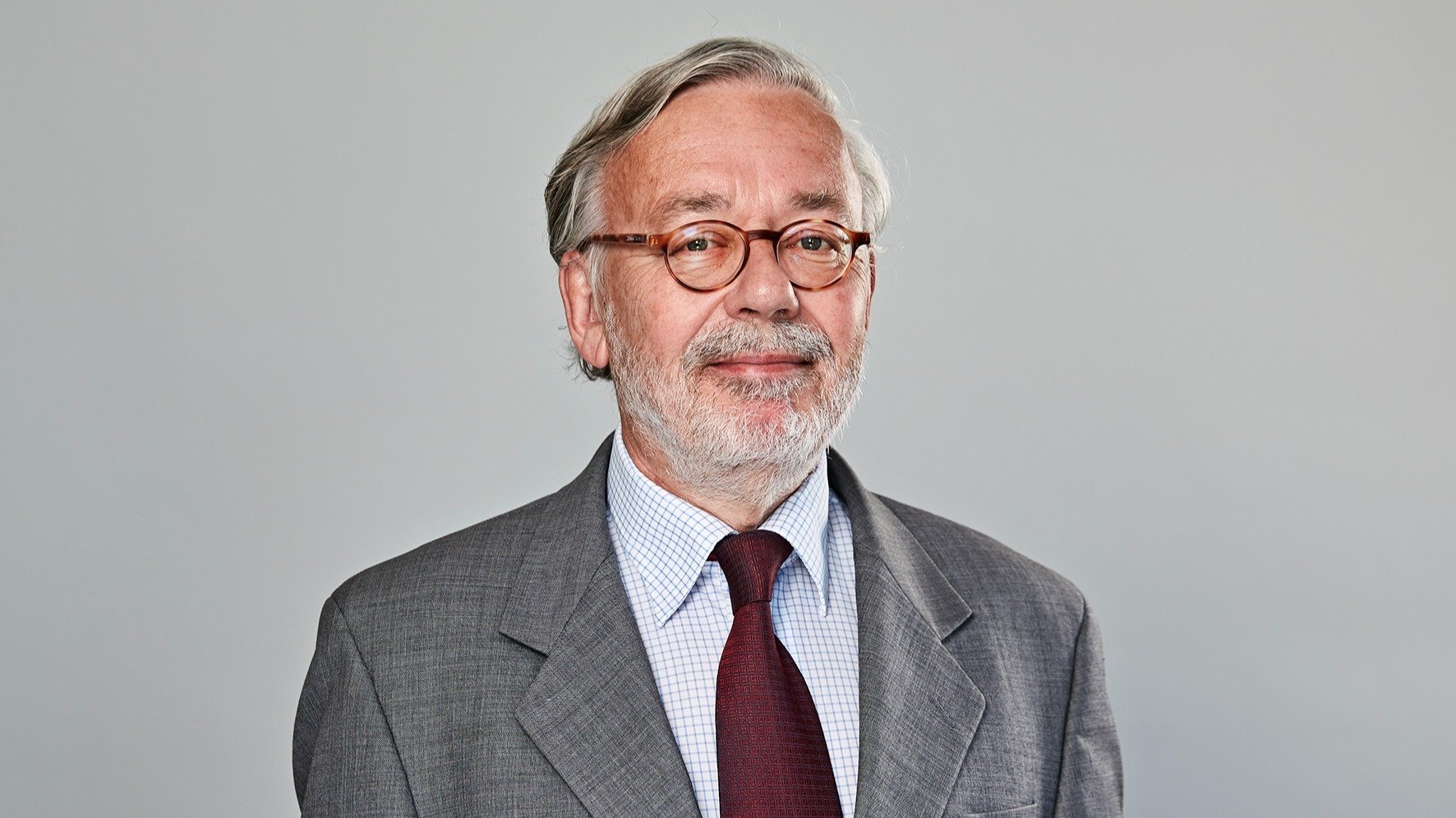 On 27 January 2026, West Ukrainian National Universityy hosted a seminar with Paul Meerts, a member of the steering committee of the International Negotiation Processes programme (PIN) at the Geneva Centre for Security Policy, founder of POINT — a network of trainers and coaches in international negotiation in the public sector, professor at Leiden University, and international negotiation analyst (Netherlands).
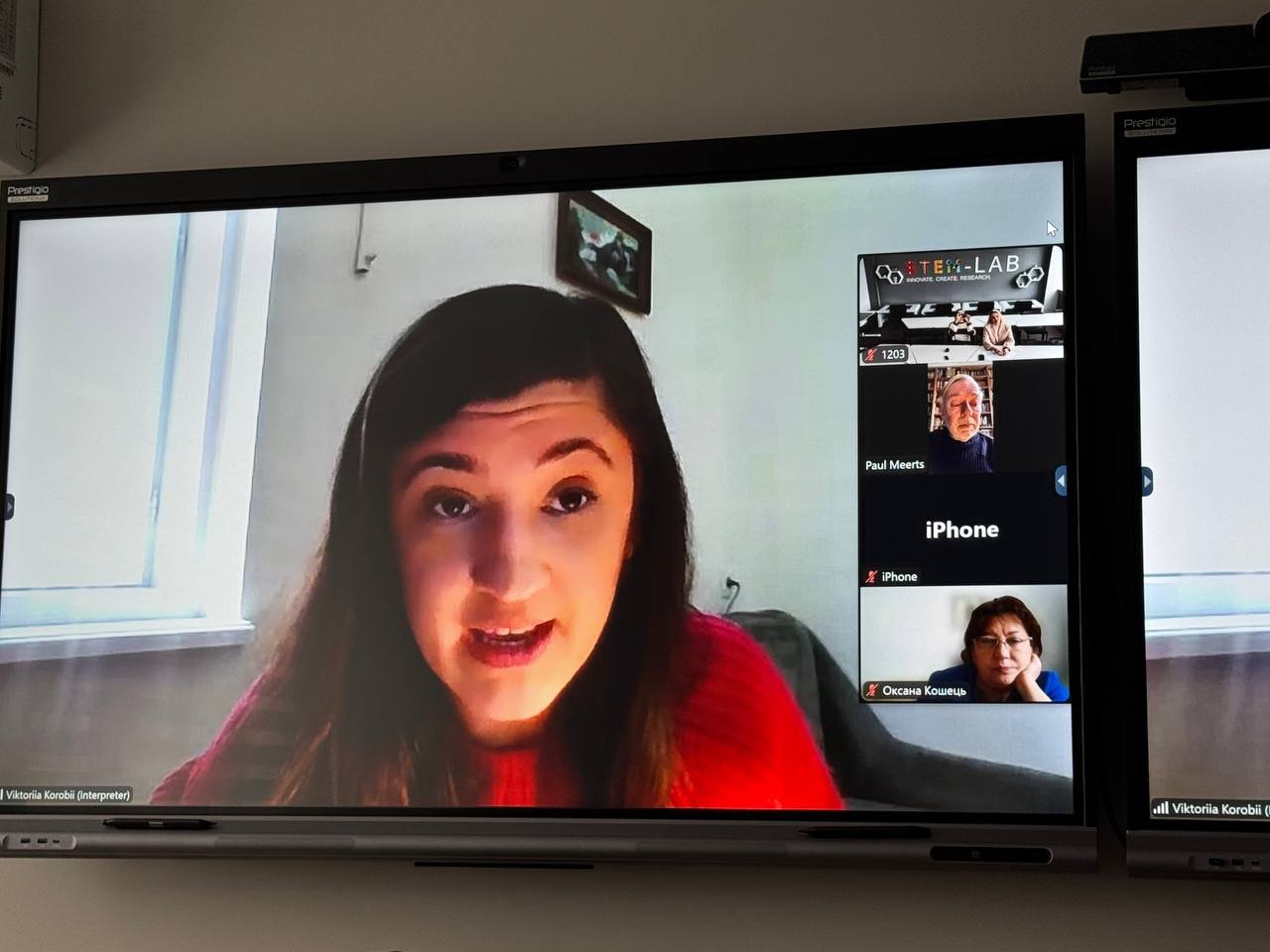
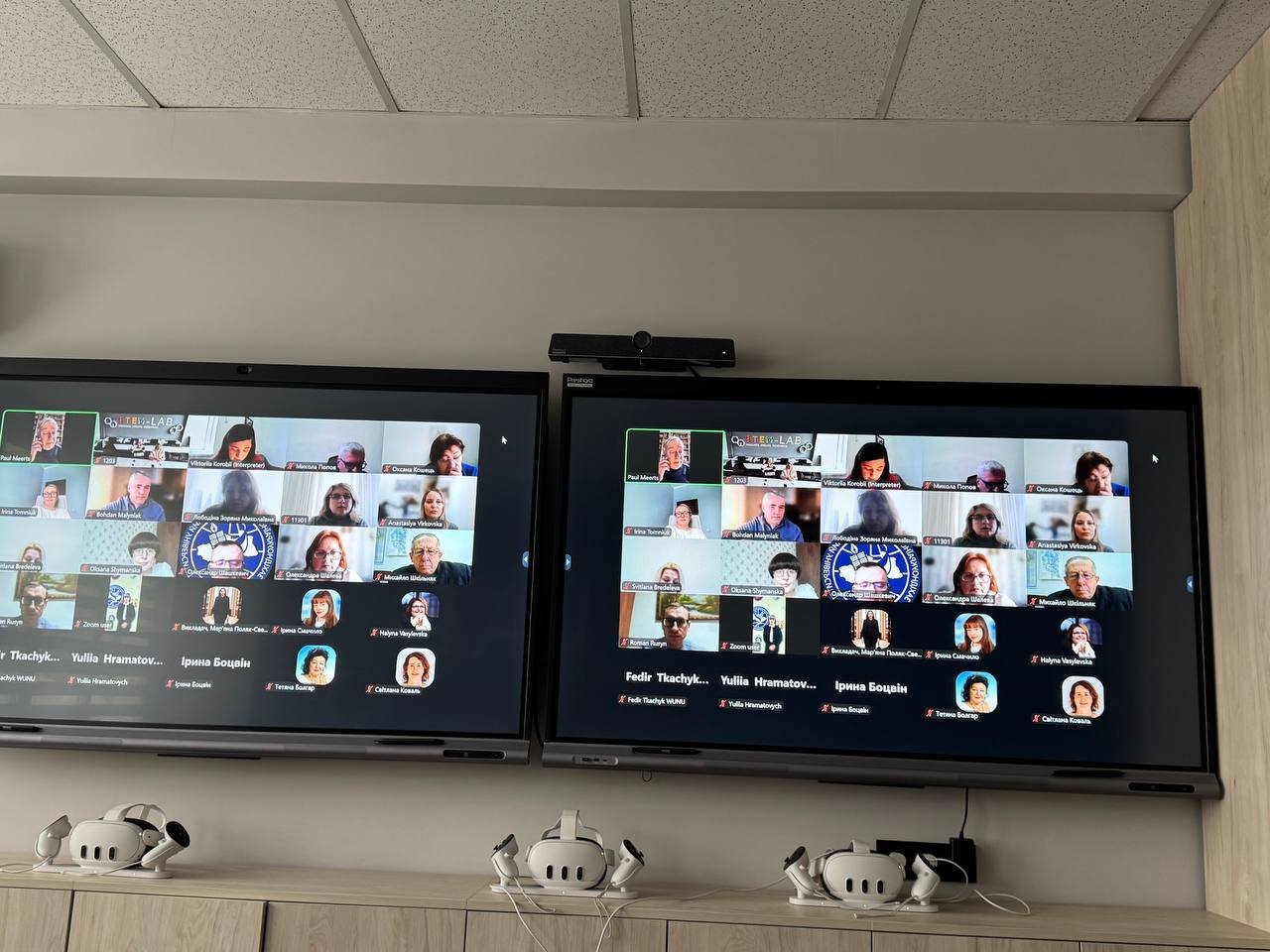
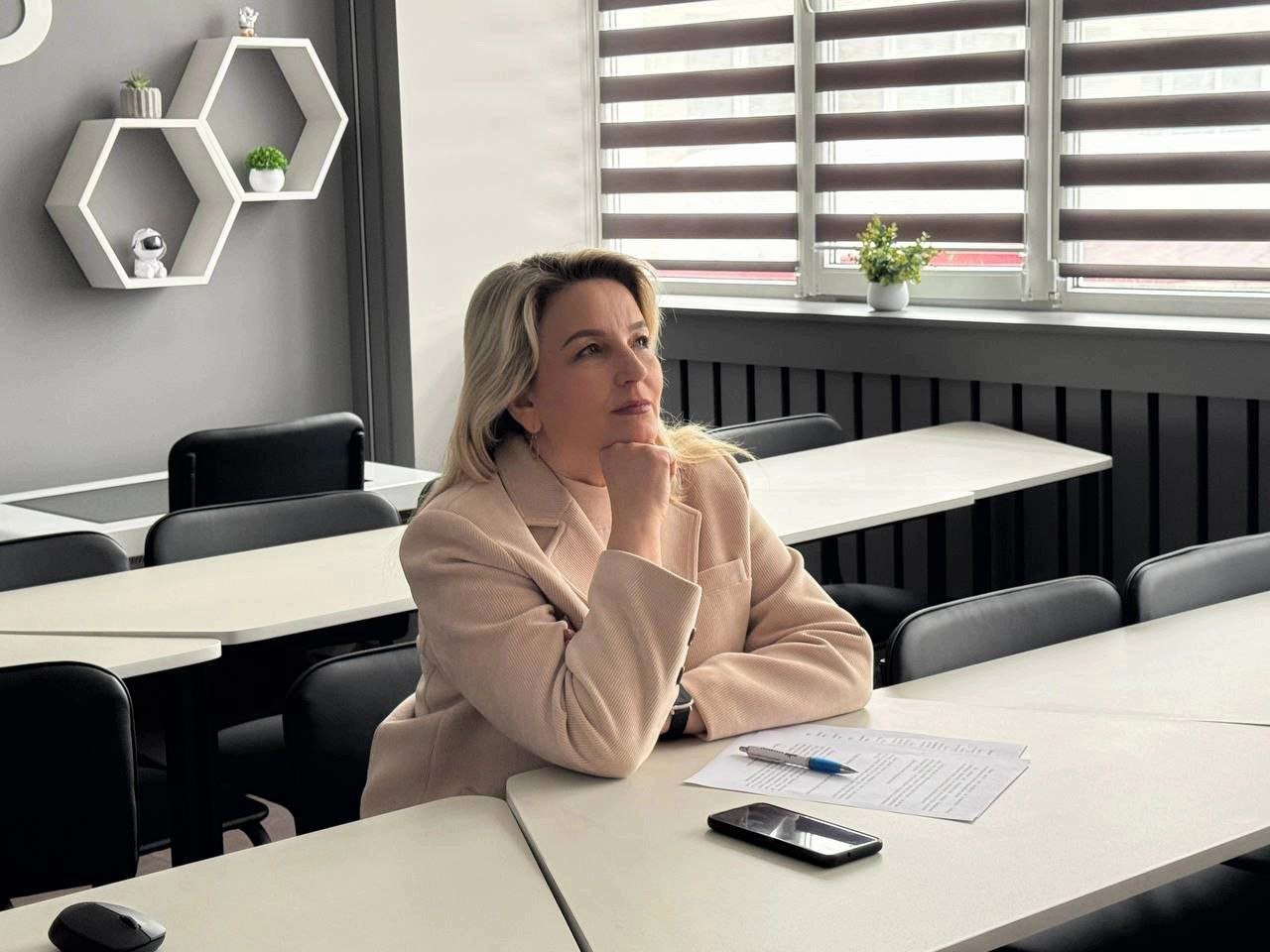
The expert online lecture by a renowned specialist on the topic ‘The Evolution of International Negotiations’ attracted the attention not only of teachers, researchers, postgraduate students, and students of all levels of higher education programmes run by the S. I. Yuriy Department of Finance, but also representatives of many scientific schools in Ukraine.
The lecture focused on analysing the role of international negotiations in preventing wars and shaping the international order from the 17th to the 21st century.
The speaker emphasised that negotiations are a fragile but indispensable tool for conflict management. Despite the widespread perception of war and diplomacy as opposites, Paul Meerts believes that negotiations and war are interrelated phenomena. ‘Negotiations can be seen as a continuation of war by other, peaceful means,’ he said in his speech. Accordingly, the weakening of the multilateral system of international relations inevitably leads to increased instability and more frequent wars.
Paul Meerts identified three key factors for effective international negotiations: the context in which they take place (including domestic political pressure and public opinion); the negotiation process (level of preparation, format, duration, decision-making mechanisms); the role of participants, in particular the interests of states, the balance of power, and the professional and personal qualities of negotiators.
According to the lecturer, even in an unfavourable context, a well-organised process and professional negotiators can significantly increase the chances of success. At the same time, a lack of political will, mistrust or disregard for the interests of the other party can render negotiations futile.
In conclusion, Paul Meerts emphasised: ‘International negotiations remain an important alternative to war, but their usefulness depends on political will, the professionalism of the participants, and the ability of states to uphold and respect international rules. In the context of today's global challenges, these lessons from history are particularly relevant for understanding the role of diplomacy in ensuring peace and security.’
All participants are sincerely grateful to Paul Meerts for such a timely and informative lecture and look forward to further cooperation.