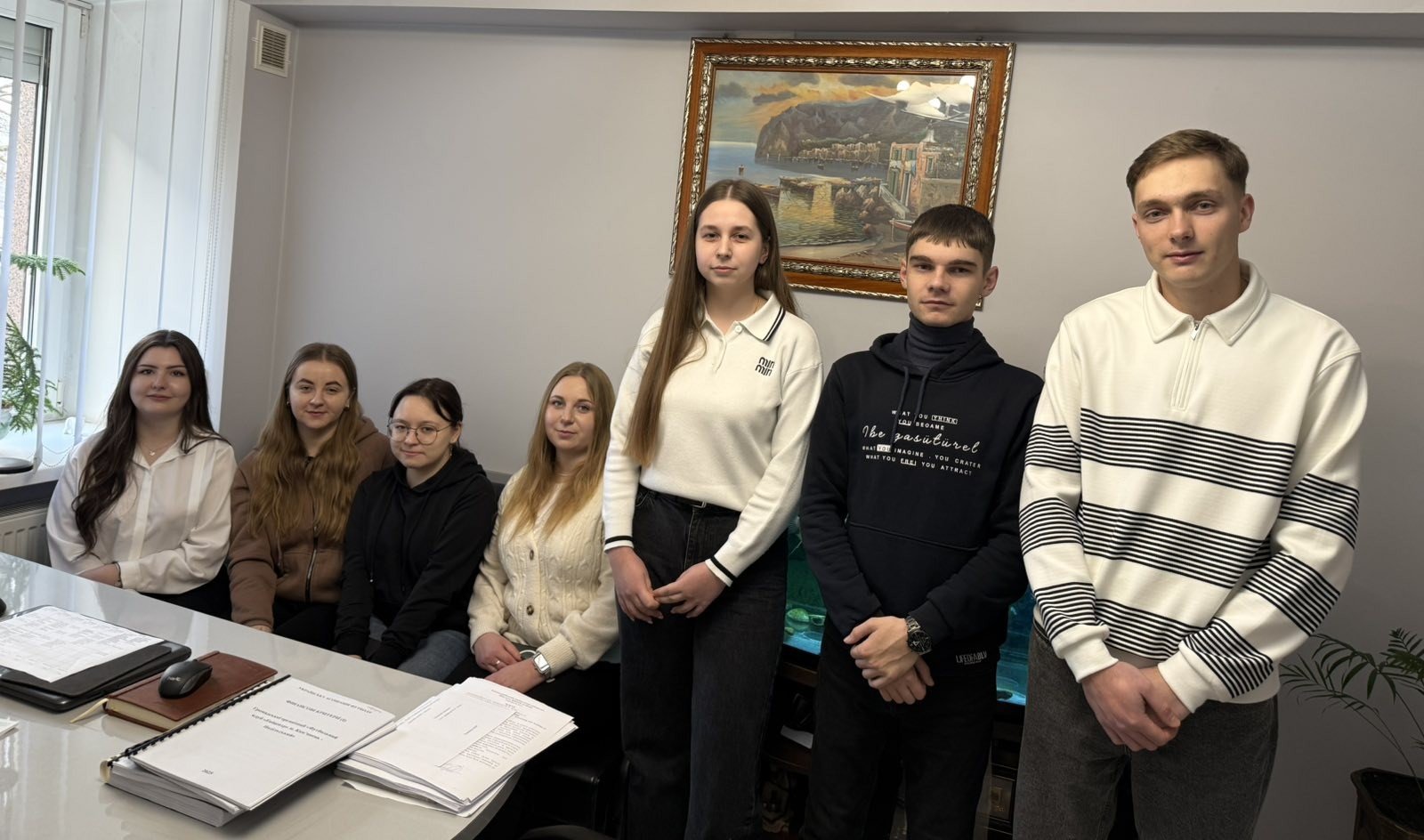
WUNU students attend training at Ter Audit auditing firm
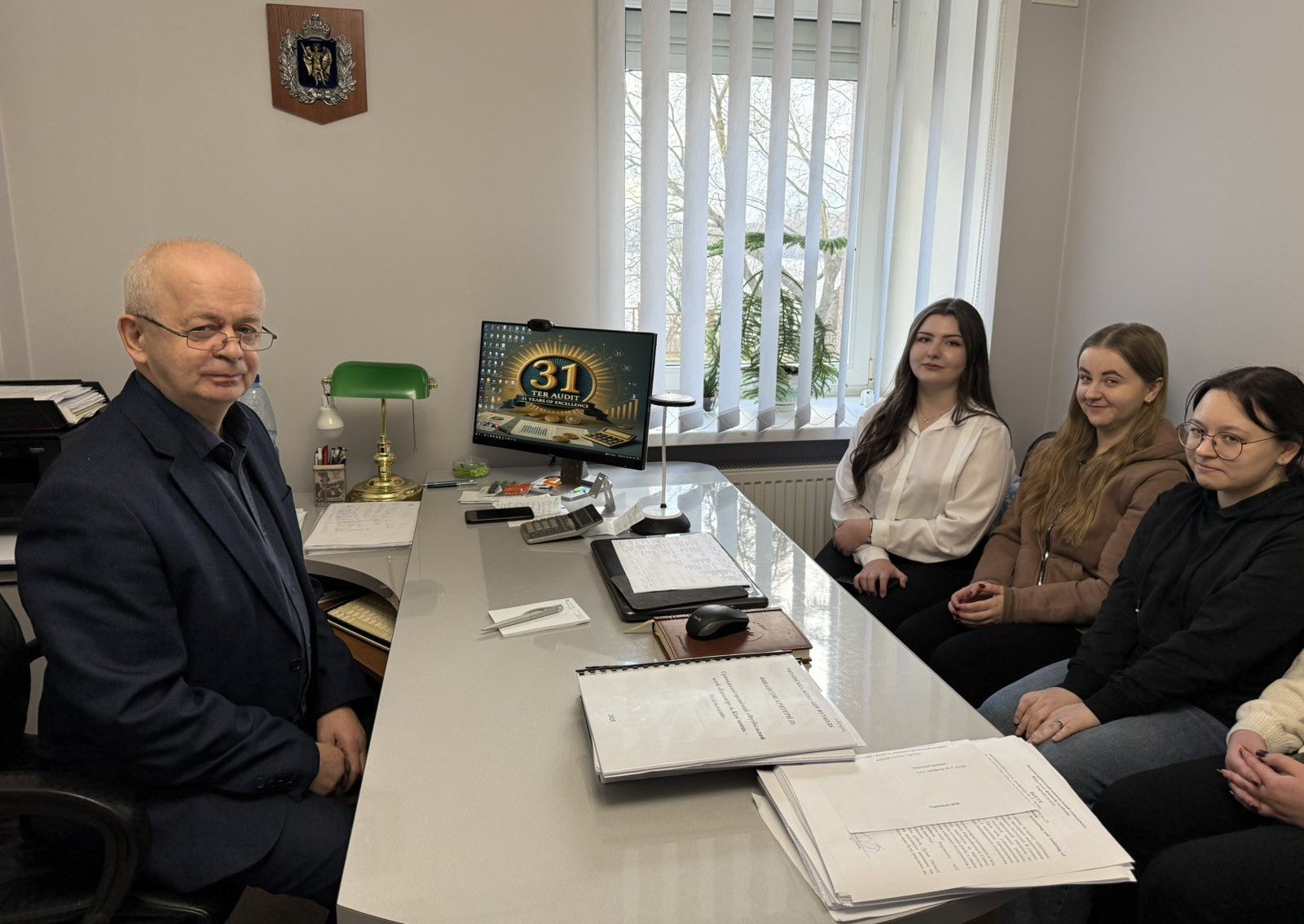
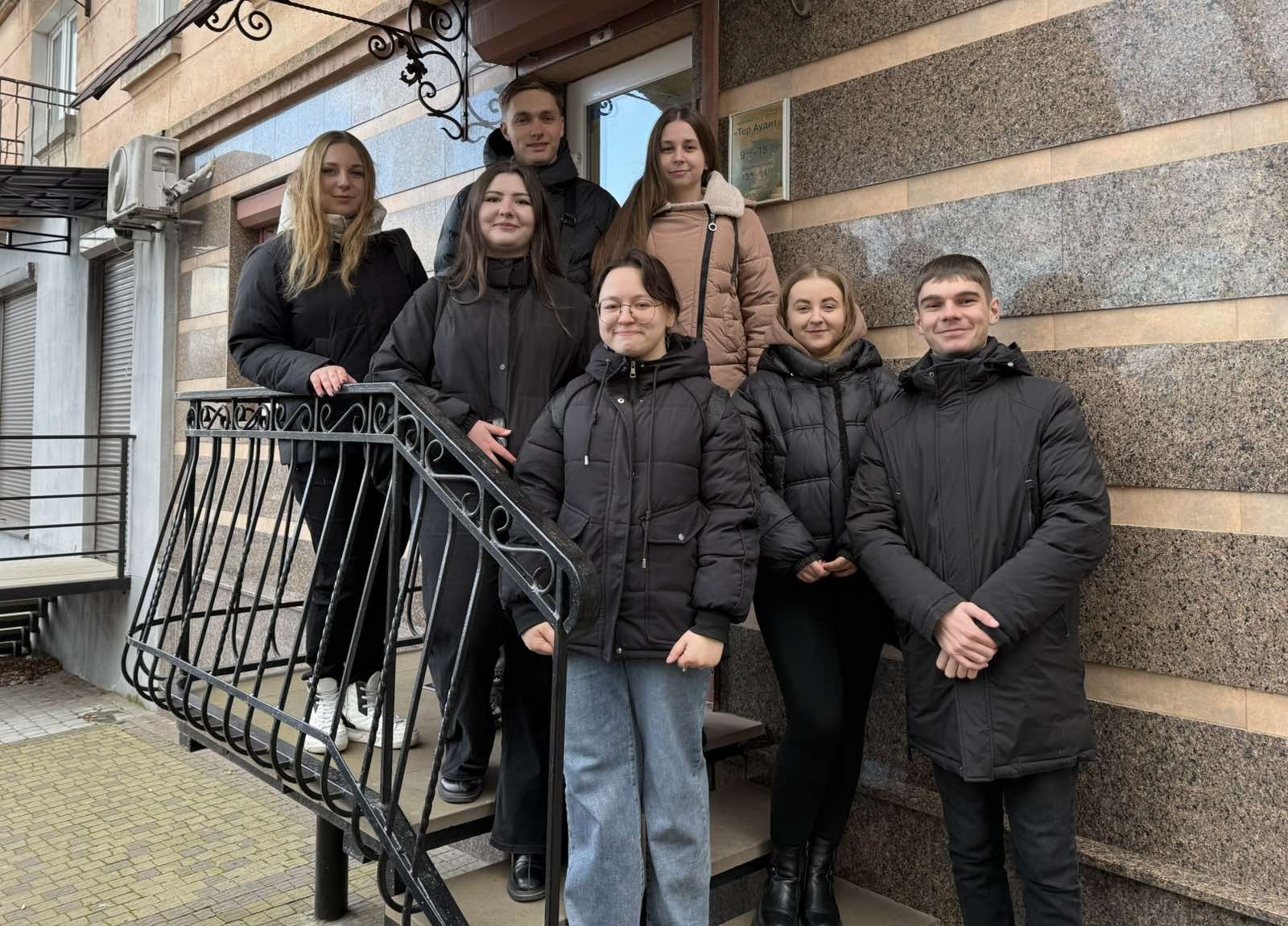
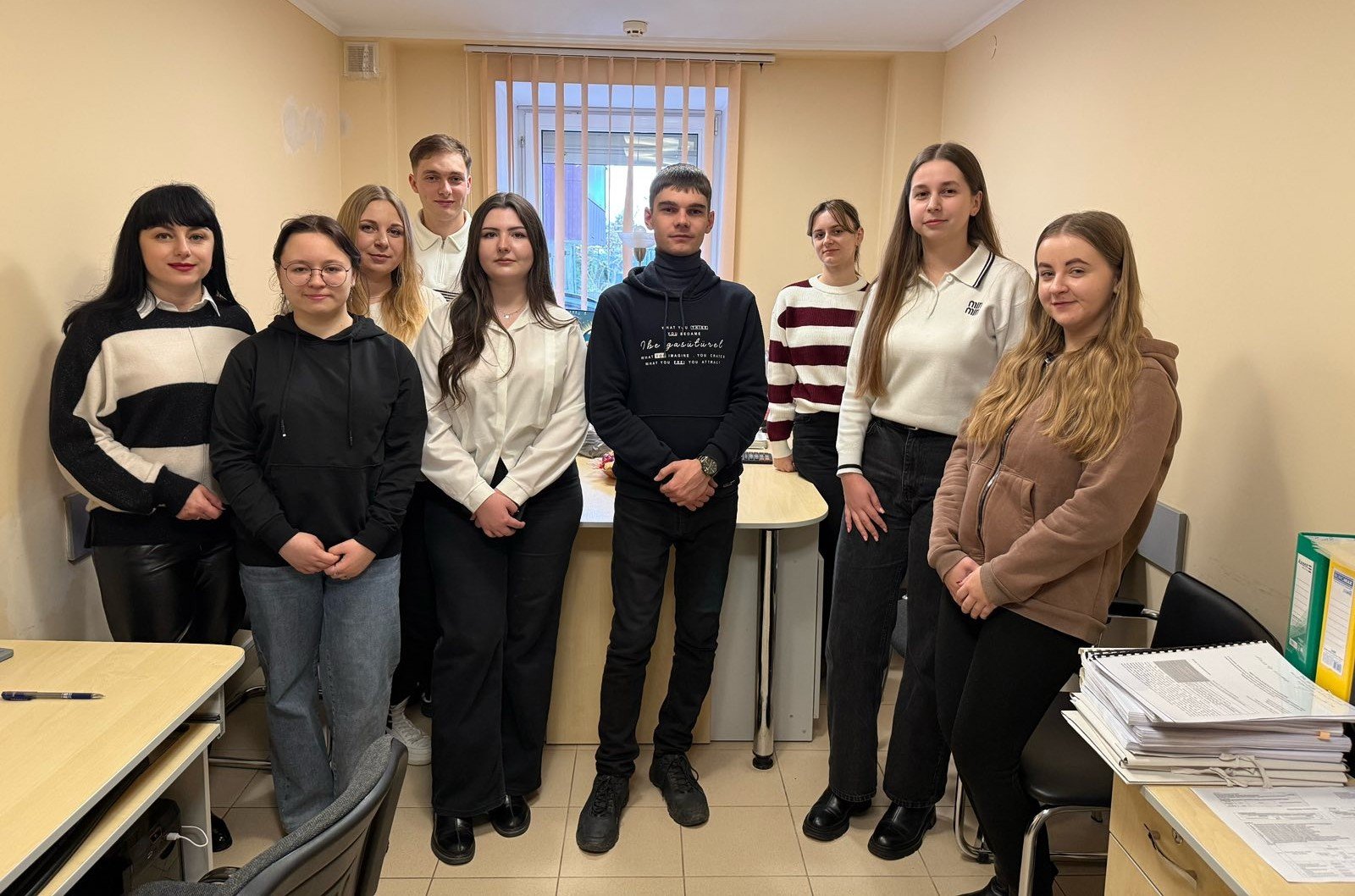 As part of practical training in the discipline of ‘Control and Audit,’ fourth-year students of the Faculty of Finance and Accounting of WUNU, who are majoring in ‘Accounting and Taxation,’ visited the auditing firm Ter Audit.
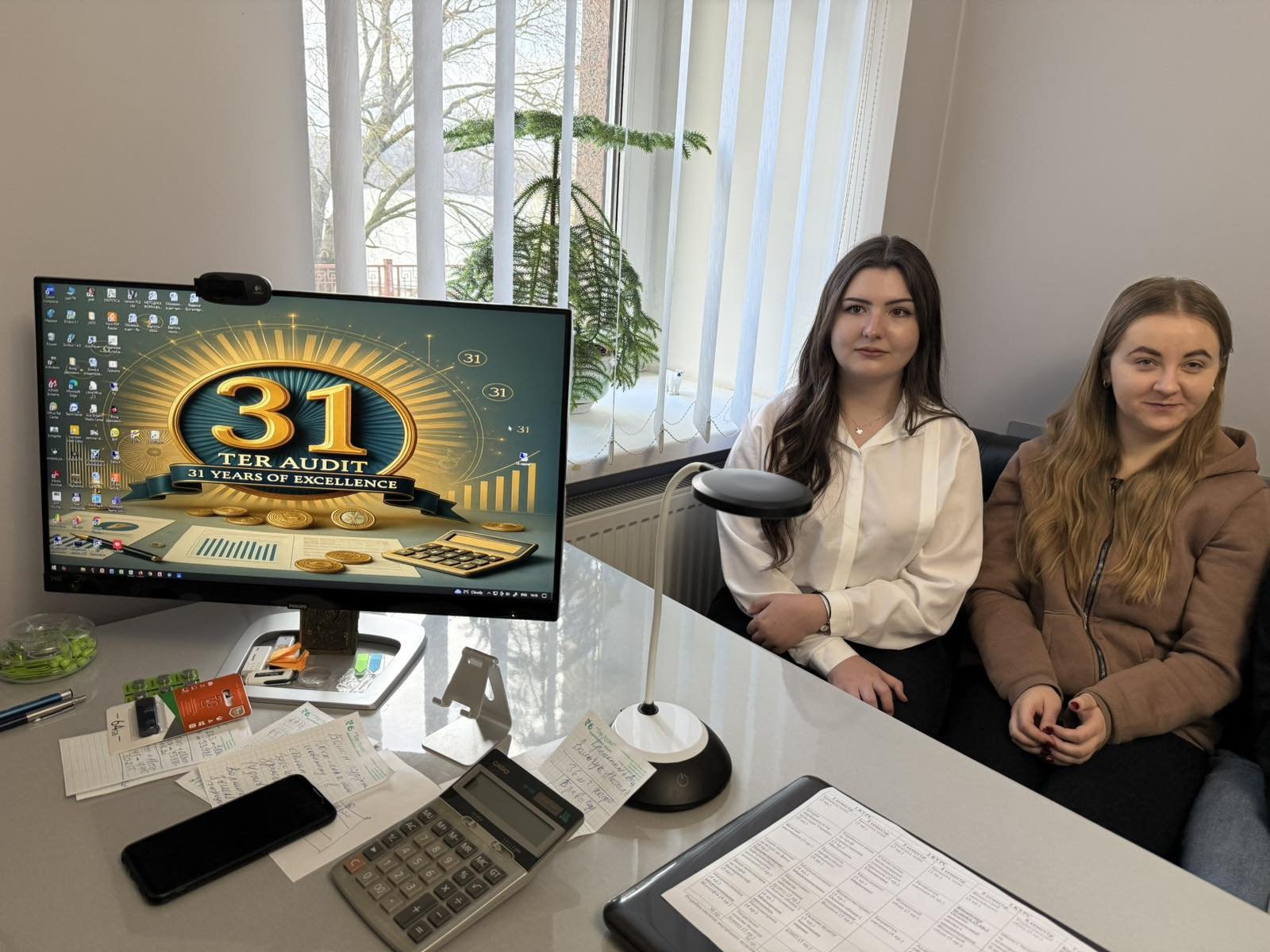
Director and managing partner of the audit firm Ter Audit, certified auditor, Doctor of Economics, Professor Mykhailo Luchko familiarised students with the history of the creation and development of the company, which has been successfully operating in the audit services market for over 30 years. During the meeting, he focused on the key stages of the development of auditing in Ukraine, the peculiarities of professional activity during different periods of transformation of the national economy, and outlined the prospects for the development of the auditing profession in the context of modern challenges.
Students from groups OO-41 and OO-42 learned that the auditing firm Ter Audit provides a wide range of professional services, including: mandatory auditing; financial performance audit; voluntary audit; audit of tax calculations and reporting; retainer services; audit consulting; audit of individual transactions; information audit; outsourcing; co-sourcing; risk assessment; assessment of the effectiveness of internal control systems; implementation of internal audit systems and other related services.
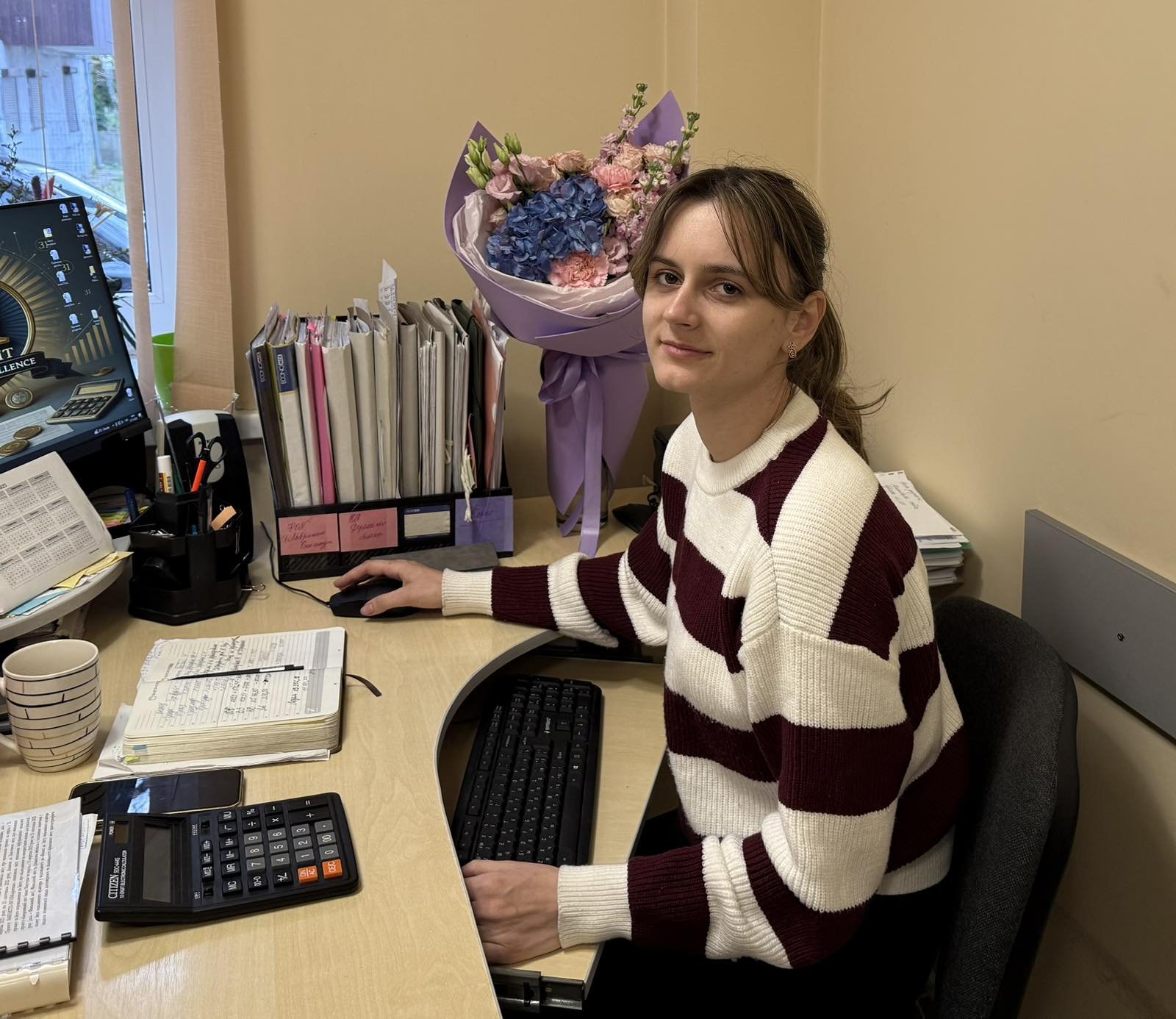
During the training, students had the opportunity to talk to employees of the auditing firm – financial director, chief accountant Maria Cooper and accountant-auditor Valentyna Lysychenko. The specialists shared their practical experience in organising internal control, the specifics of preparing financial statements, the use of modern software products in accounting and auditing, and also talked about the current challenges faced by auditing companies in the context of martial law. They emphasised the importance of analytical thinking, professional ethics, responsibility and continuous professional development for successful career advancement in the auditing field.
Maria Shesterniak, the head of the Control and Audit course, who's a PhD in Economics and an associate professor in the Audit Department, pointed out that employers these days are really keen on people with solid knowledge and practical skills in independent auditing and public financial control. Accordingly, practice-oriented training provides students with the opportunity not only to gain a deeper understanding of the economic processes taking place in the country under martial law, but also to understand the specifics of the functioning of internal and state audit and control systems. This approach contributes to the effective consolidation of theoretical knowledge, the development of practical skills and the development of research methodology. Practice-oriented education is an important component of professional training and ensures the development of professional competence.